Toussaint Lemaistre (1807/8–1888) by Jean Baptiste Camille Corot
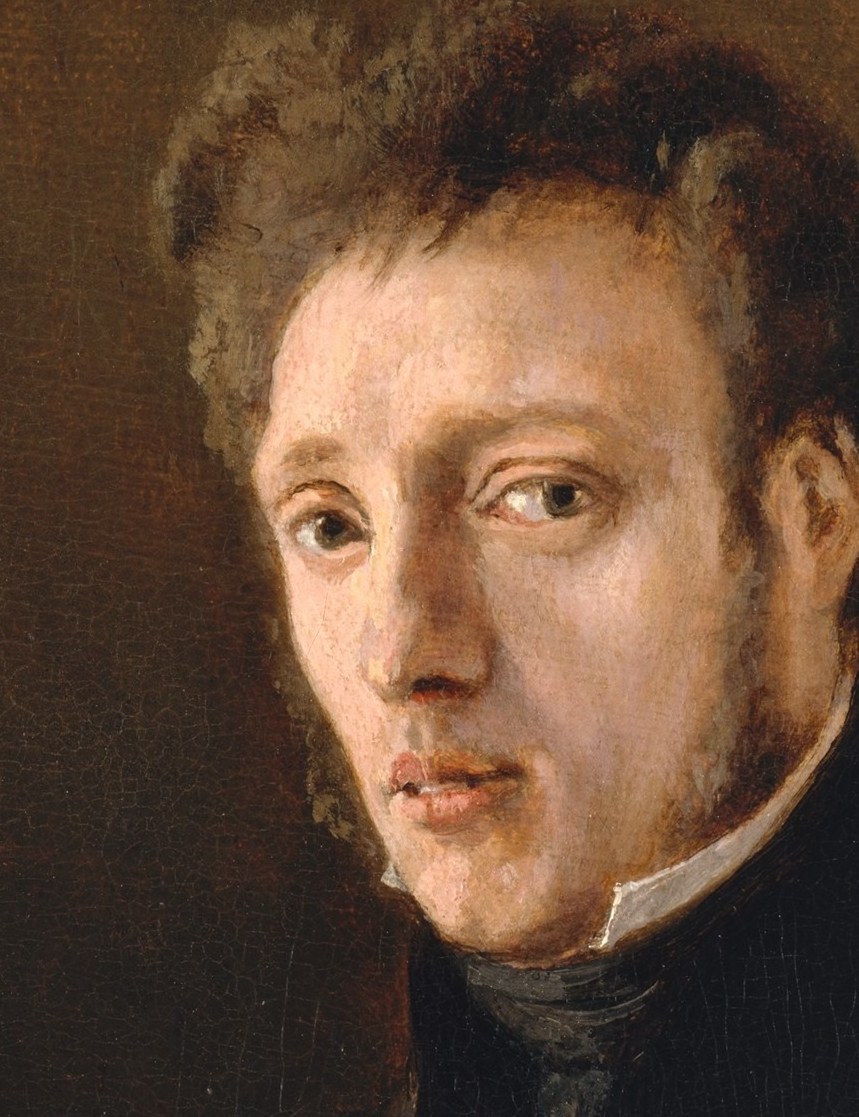
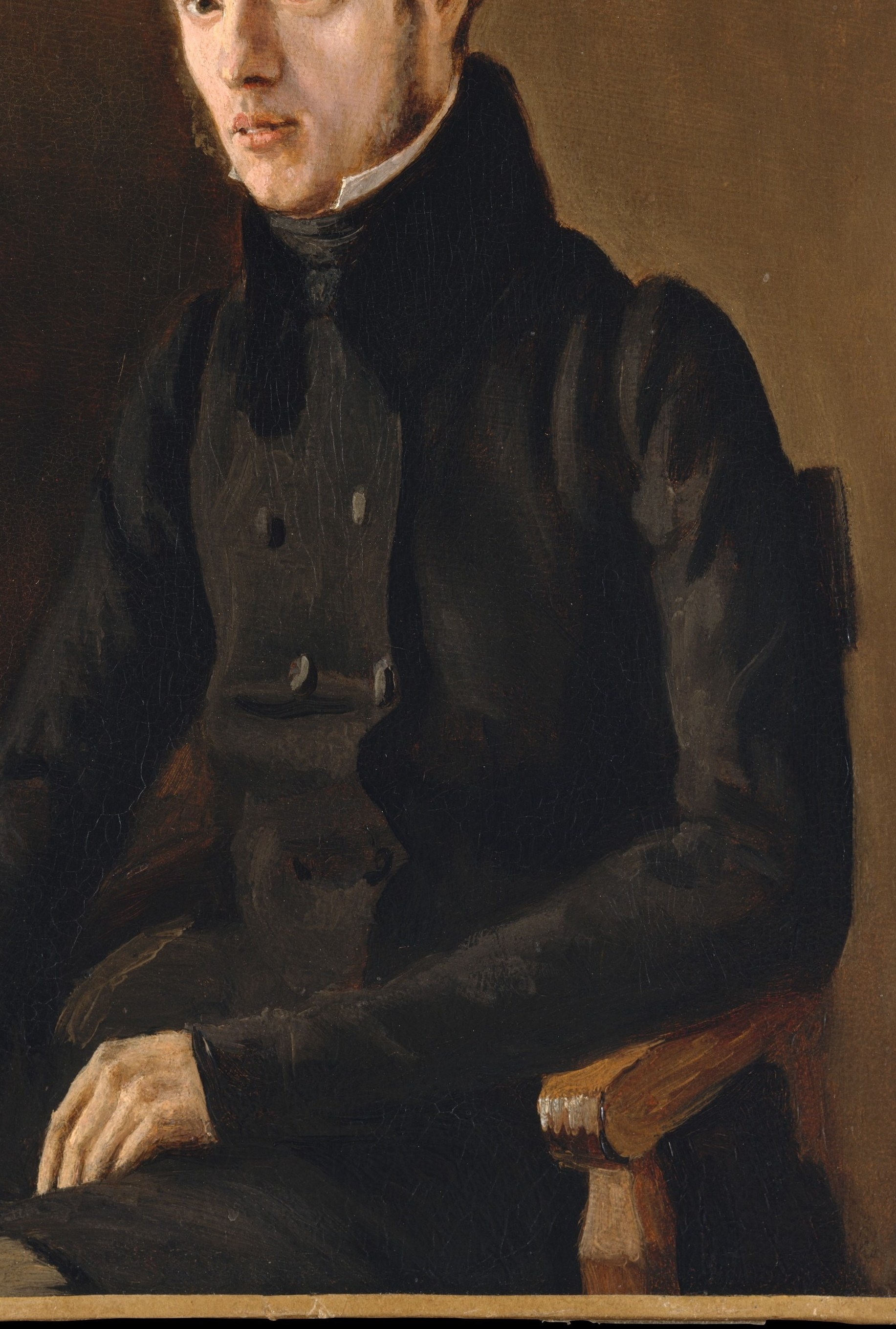
Jean-Baptiste-Camille Corot's 1833 portrait of Toussaint Lemaistre, held at The Metropolitan Museum of Art, appears to be a straightforward depiction of its subject. However, a closer look reveals a small but significant detail often overlooked.
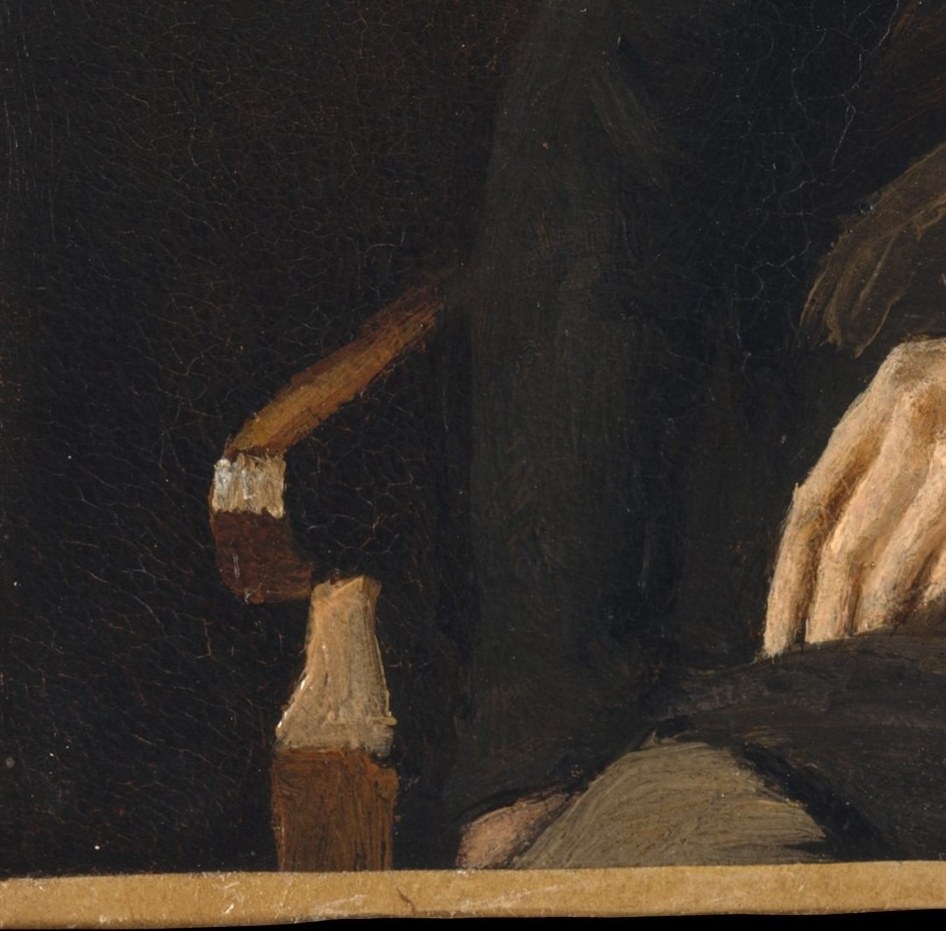
While Corot's loose brushwork is evident throughout, particularly in Lemaistre's dark suit, it's the subtle inscription on the wooden armrest that truly enriches the painting's story. The artist chose to include his signature and the year '1833' directly within the painted texture of the chair.
This detail, rather than being placed discreetly in a corner, is integrated into the subject's immediate space, almost as if carved into the furniture. It's a quiet testament to Corot's presence in the work and anchors the painting firmly in its time. Corot, known for bridging Neo-Classical traditions with Impressionistic innovations, often imbued his works with a sense of naturalism.
Have you ever noticed a painter's signature hidden in plain sight?
Details
Transcript
Corot painted this portrait of Toussaint Lemaistre in 1833. He captures Lemaistre's serious expression and quiet demeanor. Corot's brushwork is noticeably loose, especially in the dark suit. But look closely at the wooden armrest on his left. The painter's signature and the date '1833' are etched right here.