Hermes Ordering Calypso to Release Odysseus by Gerard de Lairesse
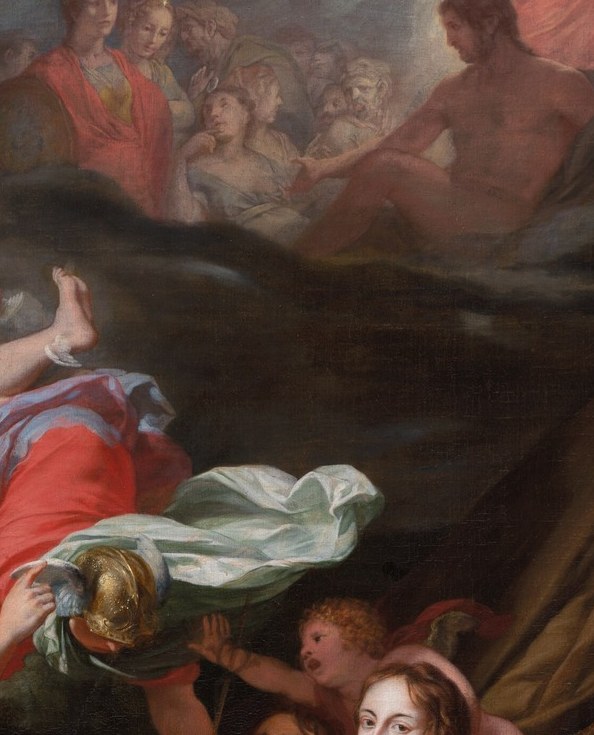
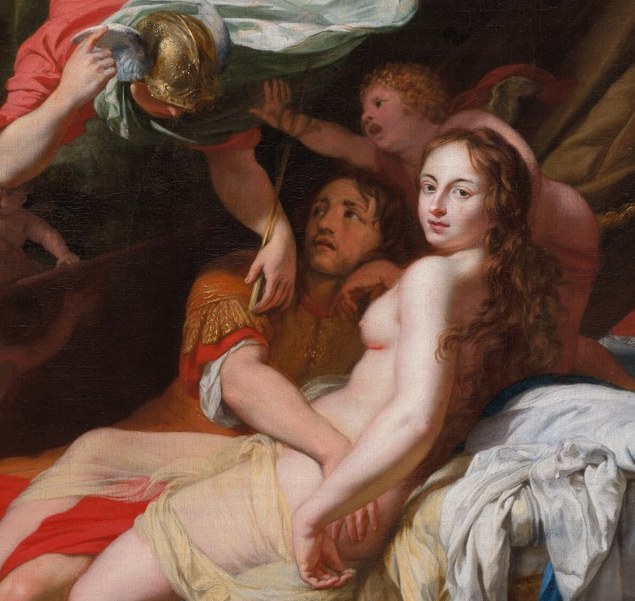
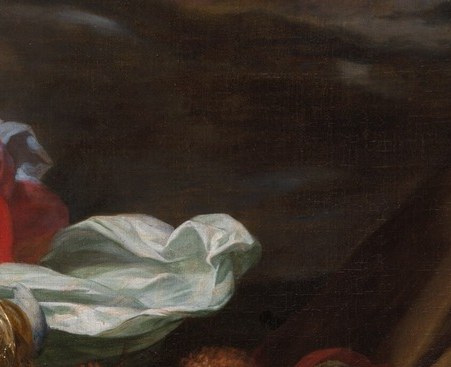
Gerard de Lairesse’s "Hermes Ordering Calypso to Release Odysseus," painted in 1670 and held at the Rijksmuseum, captures a pivotal moment from Homer's Odyssey. The messenger god Hermes, draped in red, delivers Zeus’s command to Calypso, who has held Odysseus captive for seven long years.
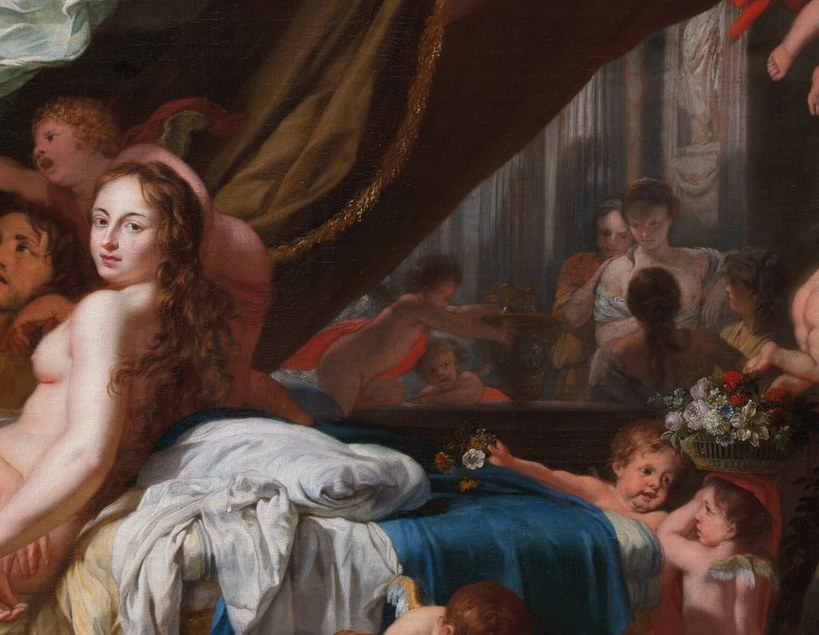
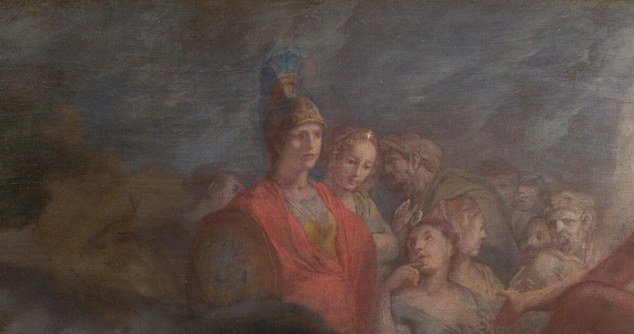
Observe Calypso's kneeling posture, embodying her reluctant surrender to divine authority. Look to Odysseus, depicted in a state of conspicuous passivity, his fate now in the hands of the gods. The dramatic burst of celestial light above signifies the supreme power of the Olympians.
De Lairesse, a prominent Dutch Golden Age painter and art theorist, masterfully uses chiaroscuro, contrasting light and shadow, to heighten the drama. This technique emphasizes key figures and draws the eye through the complex mythological narrative. His works, influenced by French classicism, significantly shaped 18th-century painting.
This painting beautifully illustrates the clash between mortal desire and divine will, a timeless theme in classical literature. What emotions do you see in Calypso’s surrender?
Details
Transcript
Hermes arrives with a message from Zeus himself. He orders the nymph Calypso to release Odysseus. Odysseus has been her captive on this island for seven years. Now, he lies in passive helplessness, waiting for fate. The celestial light above confirms the gods' will. And this single commanding hand transmits the decree.