Cattle by Abraham van Calraet
Abraham van Calraet’s 1691 painting *Cattle* at the Rijksmuseum is more than just a pastoral scene. It’s a subtle ode to the Dutch Golden Age's agrarian prosperity and the virtues of rural life. Each element, from the domesticated animals to the distant village, tells a part of this story.
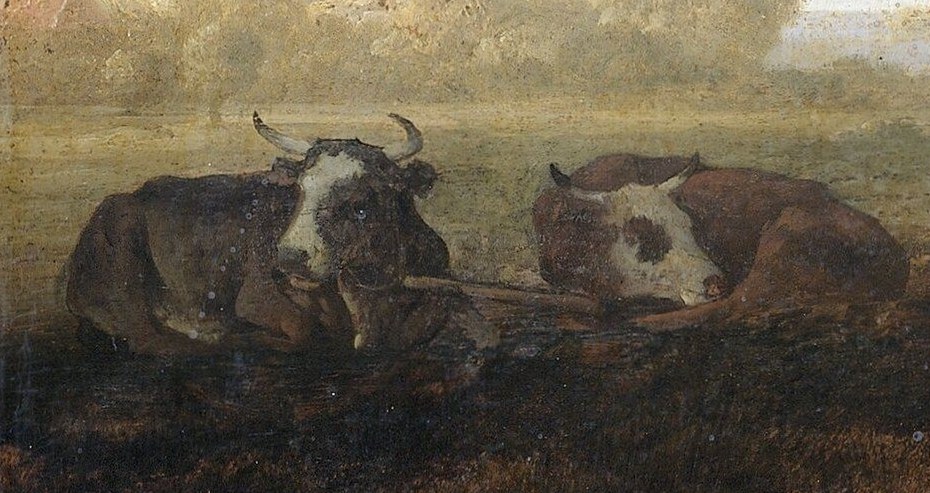
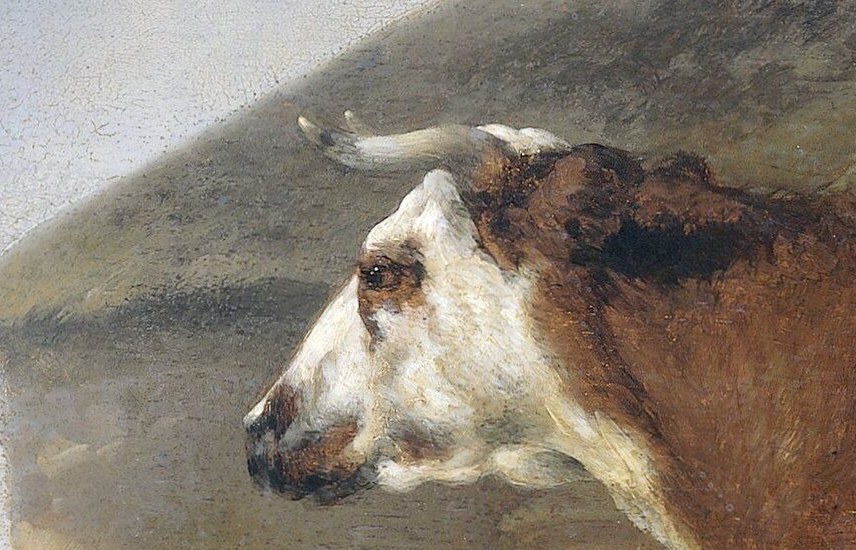
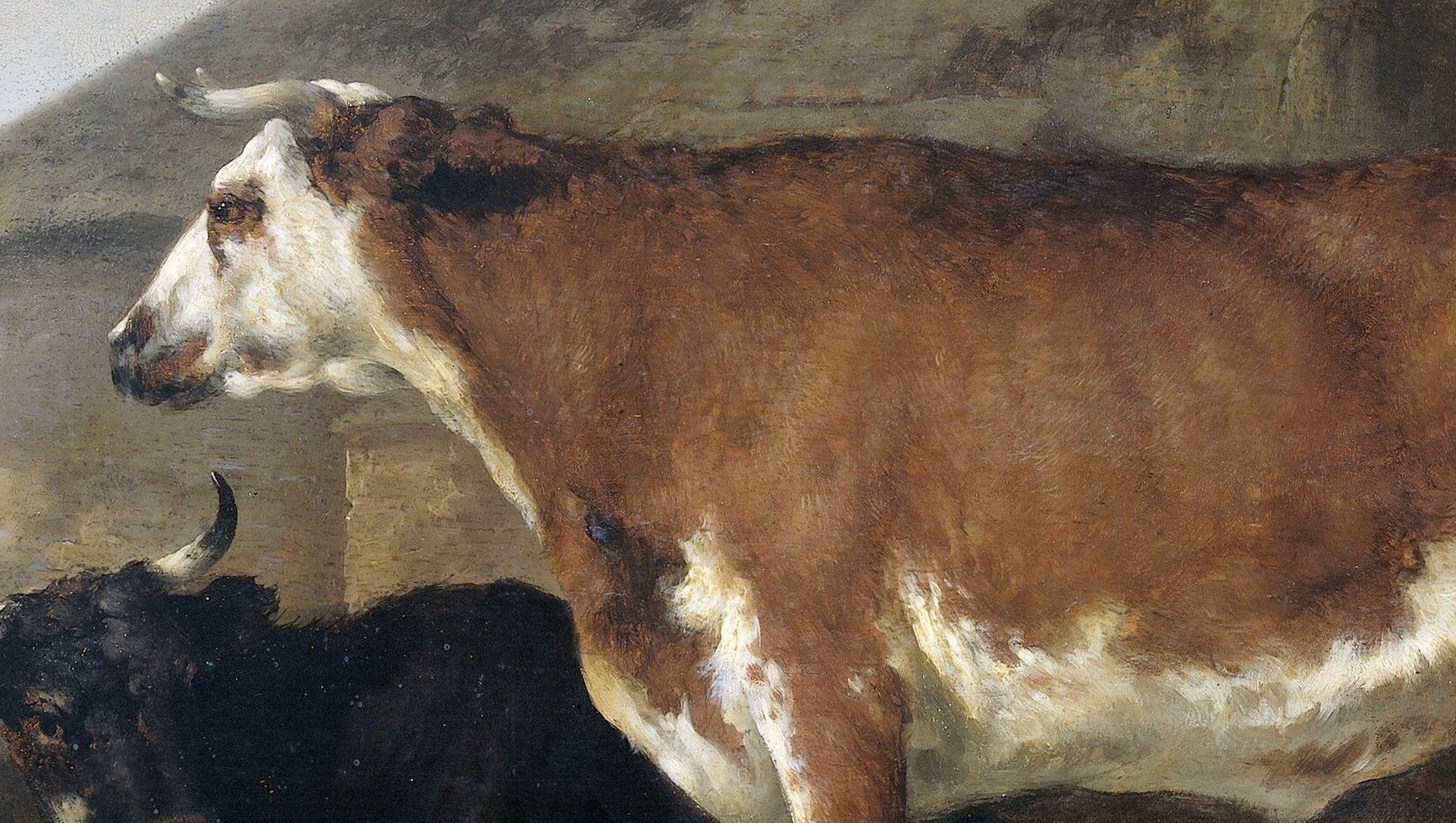
Look closely at the calm, detailed rendering of the cows, symbolizing the economic backbone of the Dutch Republic. The foraging pigeons add a touch of daily routine, while the distant church steeple represents the community tied to this land.
Van Calraet, known for his still lifes and portraits, captured a popular sentiment of his time: an appreciation for realism and the moral virtue found in honest labor. This painting exemplifies how art reflected the cultural values of seventeenth-century Netherlands.
What other hidden meanings might be found in seemingly simple works?
Details
Transcript
This tranquil scene seems like a simple depiction of rural life. During the Golden Age, Dutch artists celebrated agriculture and labor. The cows represent the prosperity of the Republic's agricultural sector. Pigeons here symbolize the everyday routines of farm life. The distant church steeple hints at community and civilization. Every element reflects the era's appreciation for humble rural life.