Portrait of Diego de Guevara (?) by Sittow, Michel
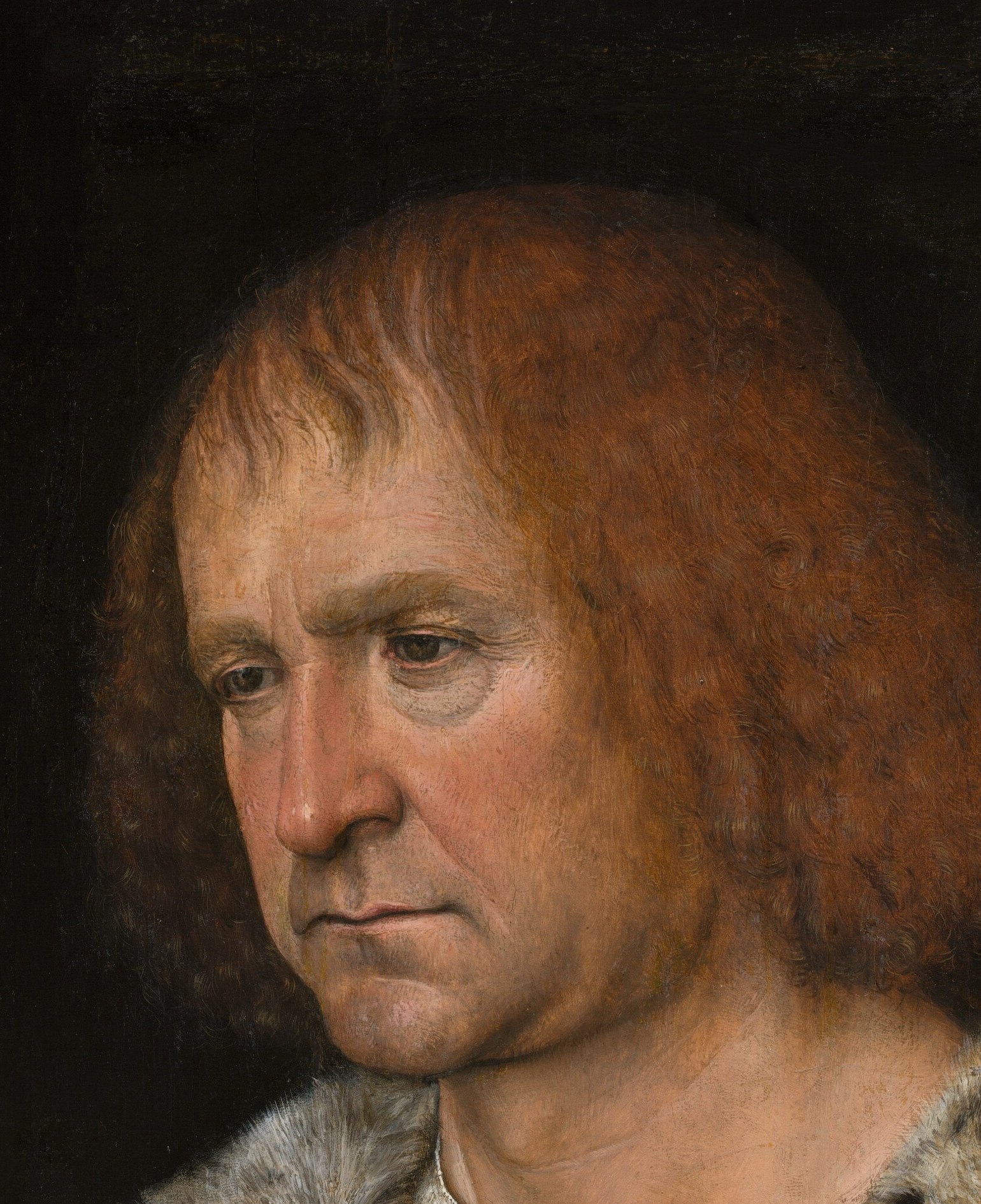
This is Michel Sittow's "Portrait of Diego de Guevara (?)," painted around 1516 and now in the National Gallery of Art in Washington. The artist was court painter to Isabella of Castile, one of the most powerful women in Europe, yet this panel spent most of its life missing from the historical record, known only from a single black-and-white photograph.
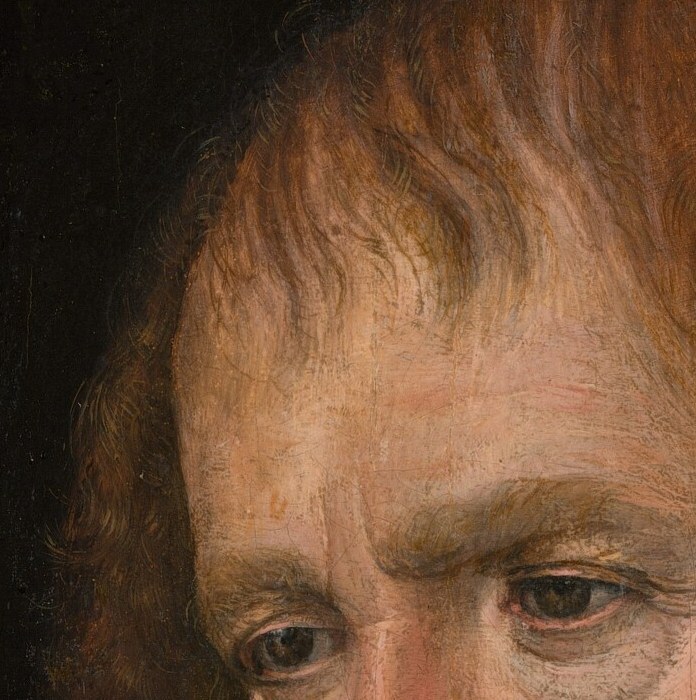
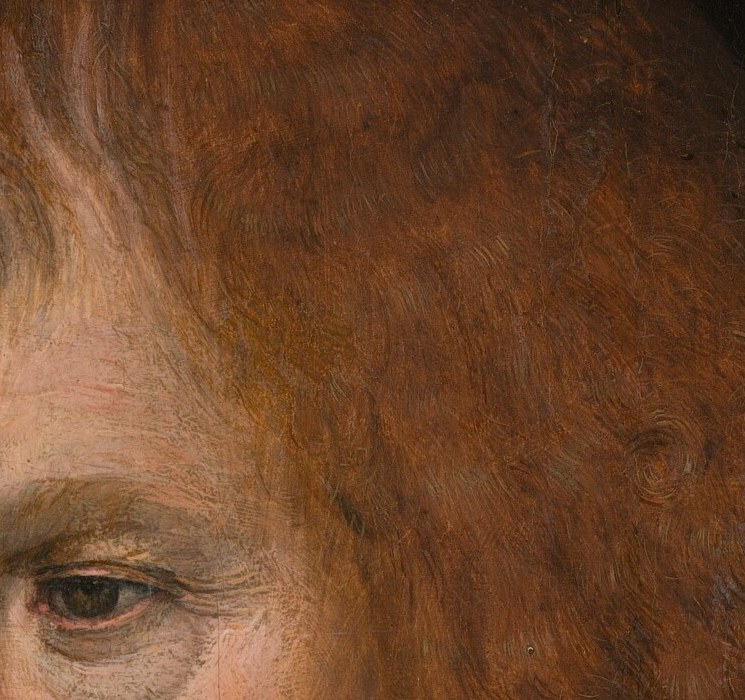
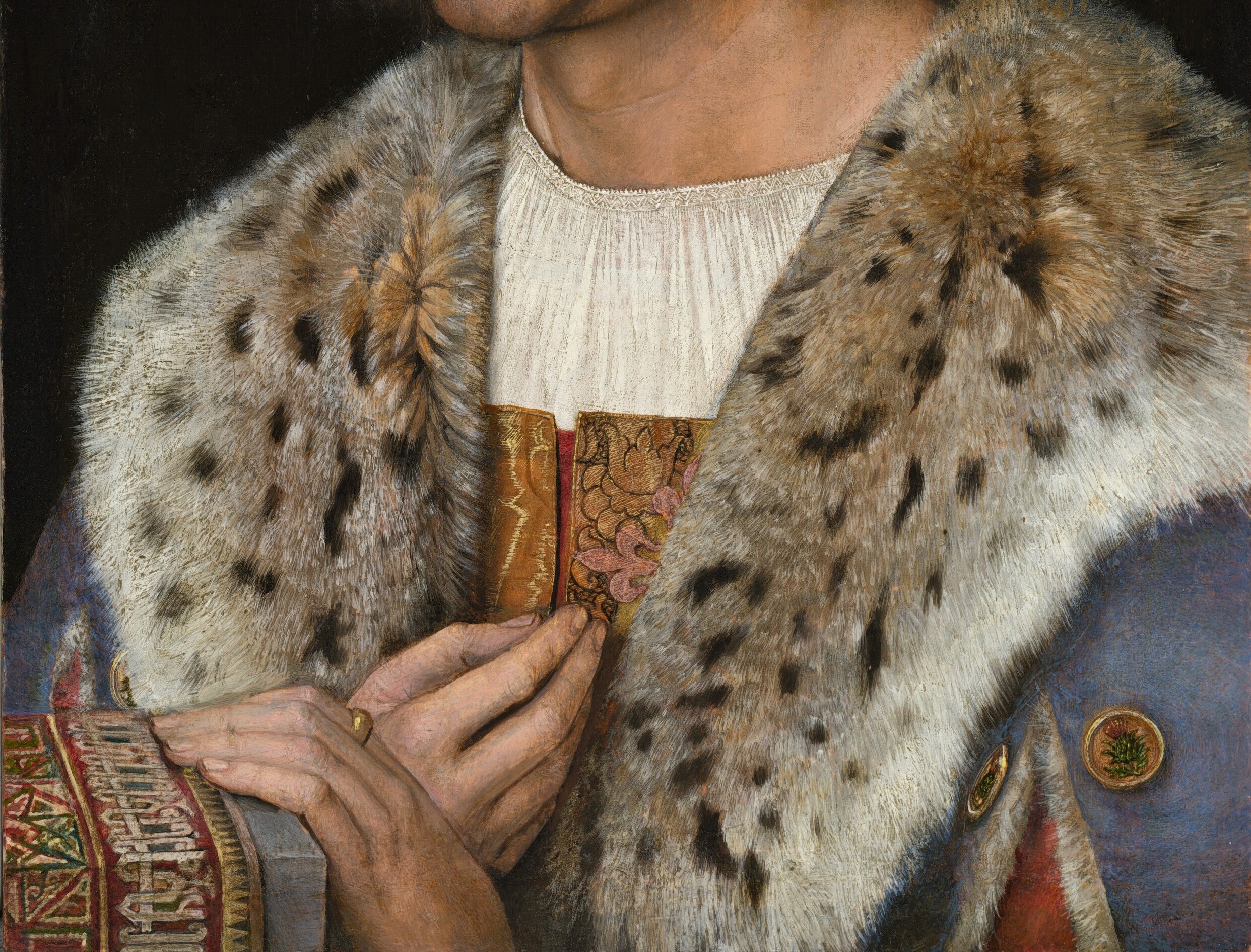
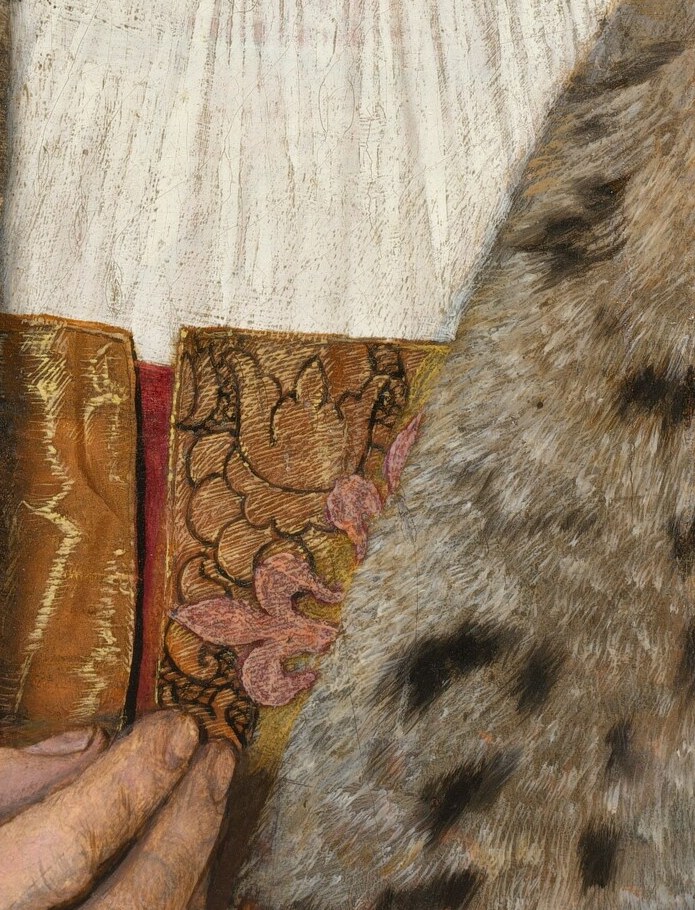
Sittow trained in the Flemish tradition and his control of oil paint is forensic. Watch how light behaves across the left eye, a single dot of white gives the cornea its wet curve. The lynx-fur mantle is built from hundreds of individual brushstrokes, each marking a separate hair. And the object in the sitter's fingers remains deliberately ambiguous: a coin, a religious medal, or a mark of office. Sittow wants you to wonder.
The painting disappeared after 1518 and stayed hidden for over 450 years. When it finally resurfaced in a private Spanish collection in the 1970s, it had to be thoroughly authenticated. The National Gallery of Art later insured it for twenty-five million dollars. For a portrait whose sitter may or may not be Diego de Guevara, even the title carries a question mark, the value lies entirely in the painting itself.
Not bad for a picture no one could find.
Details
Transcript
For decades, this painting was just a black-and-white photo in an old file. Michel Sittow was court painter to Isabella of Castile. He painted this man around 1516, then the panel vanished. Look at the left eye: a single dot of white brings it alive. The fur mantle is lynx, every spot painted hair by hair. He holds a small object. A coin, a medal, no one is sure. In the 1970s, a Spanish family quietly owned it, unrecognized. When it was finally identified, the NGA insured it for $25 million.