The Smoker, or Three Heads by Frans Hals
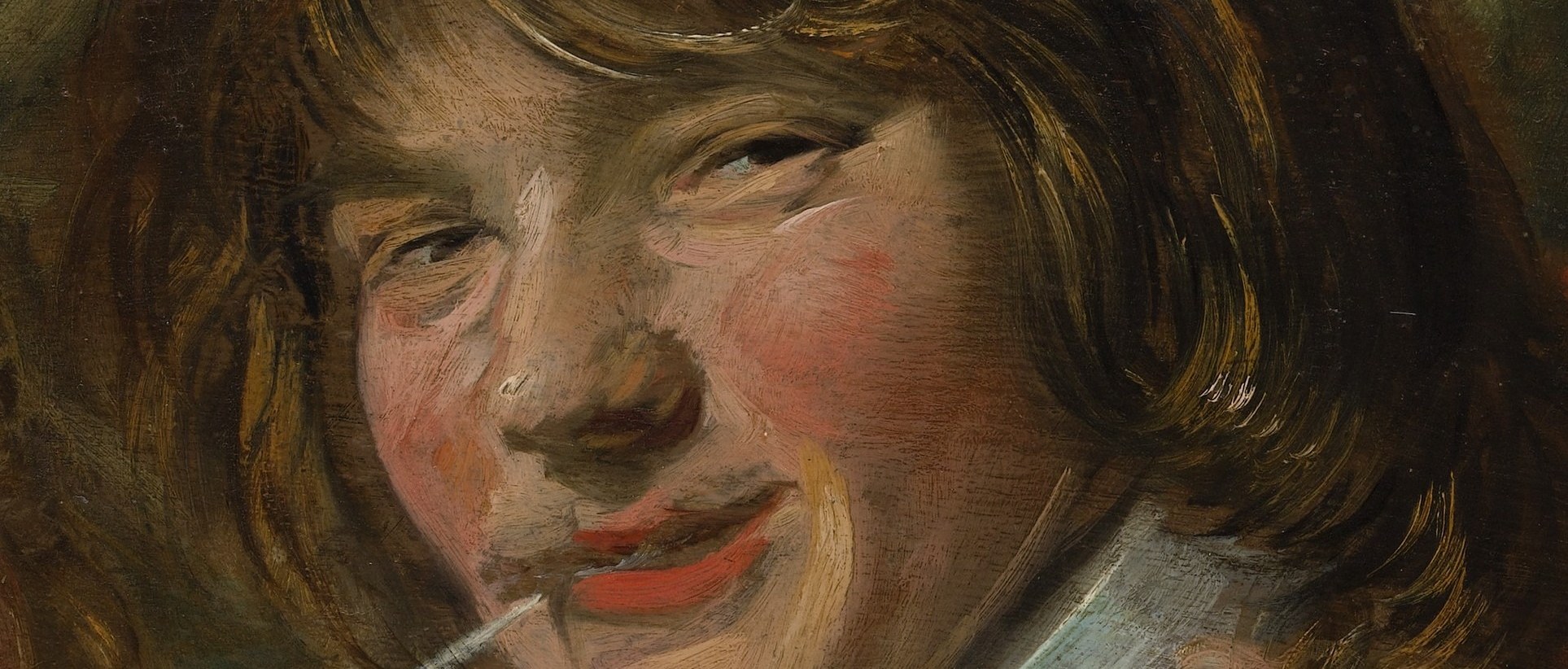
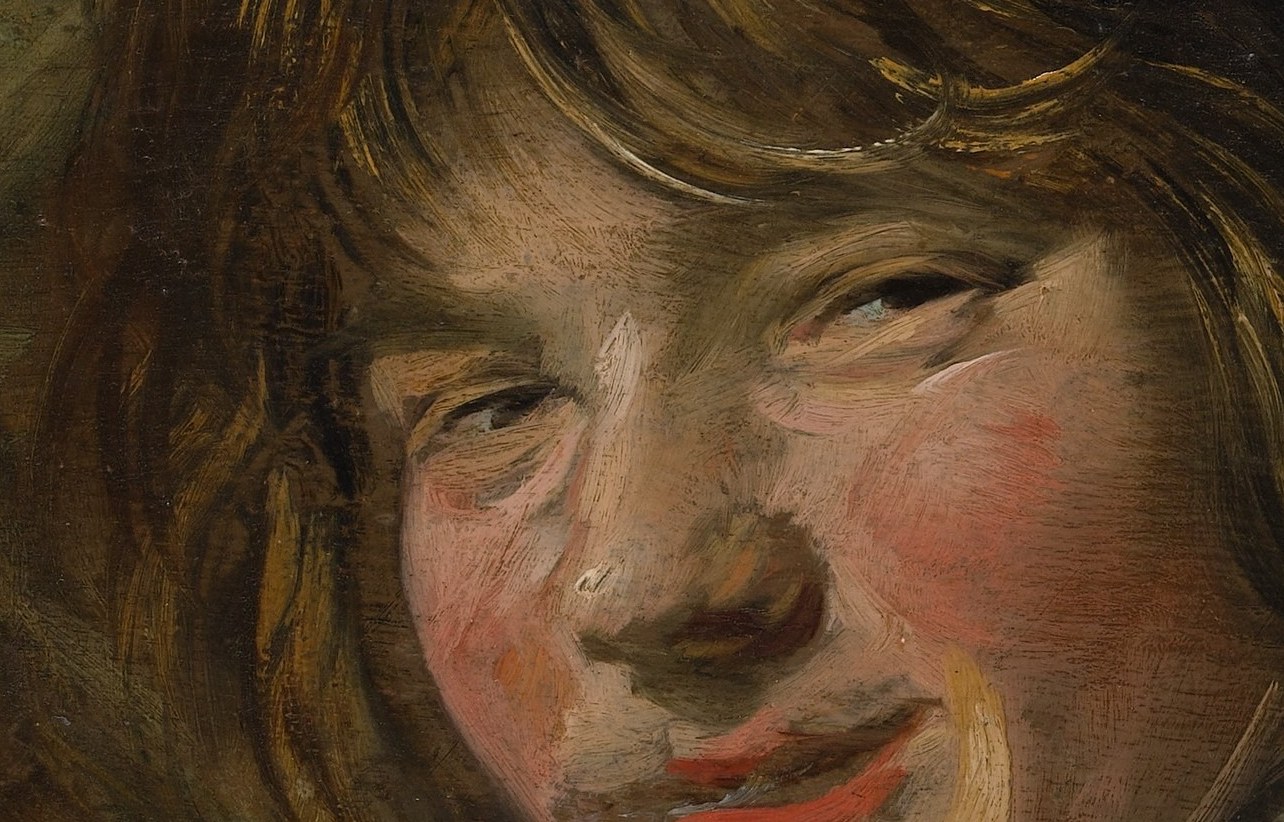
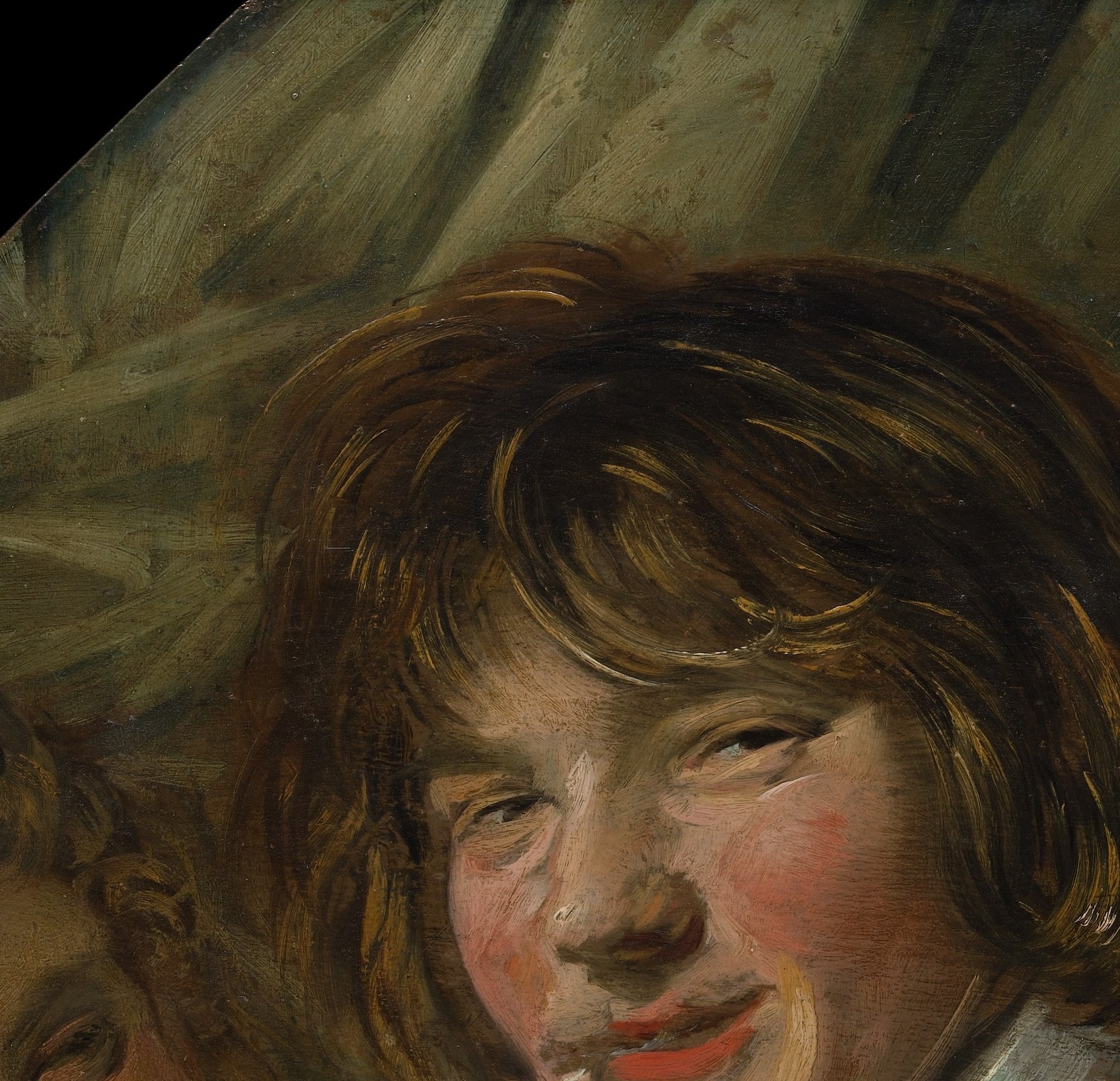
Frans Hals painted The Smoker, sometimes called Three Heads, in 1626. It lives at the Metropolitan Museum of Art in New York. The most striking thing, at first, is the grin. A wide, open-mouthed laugh with visible teeth feels almost like a snapshot. In an era of stiff, formal portraiture, Hals painted a fleeting, candid moment and let a sitter look directly at us with casual, playful confidence.
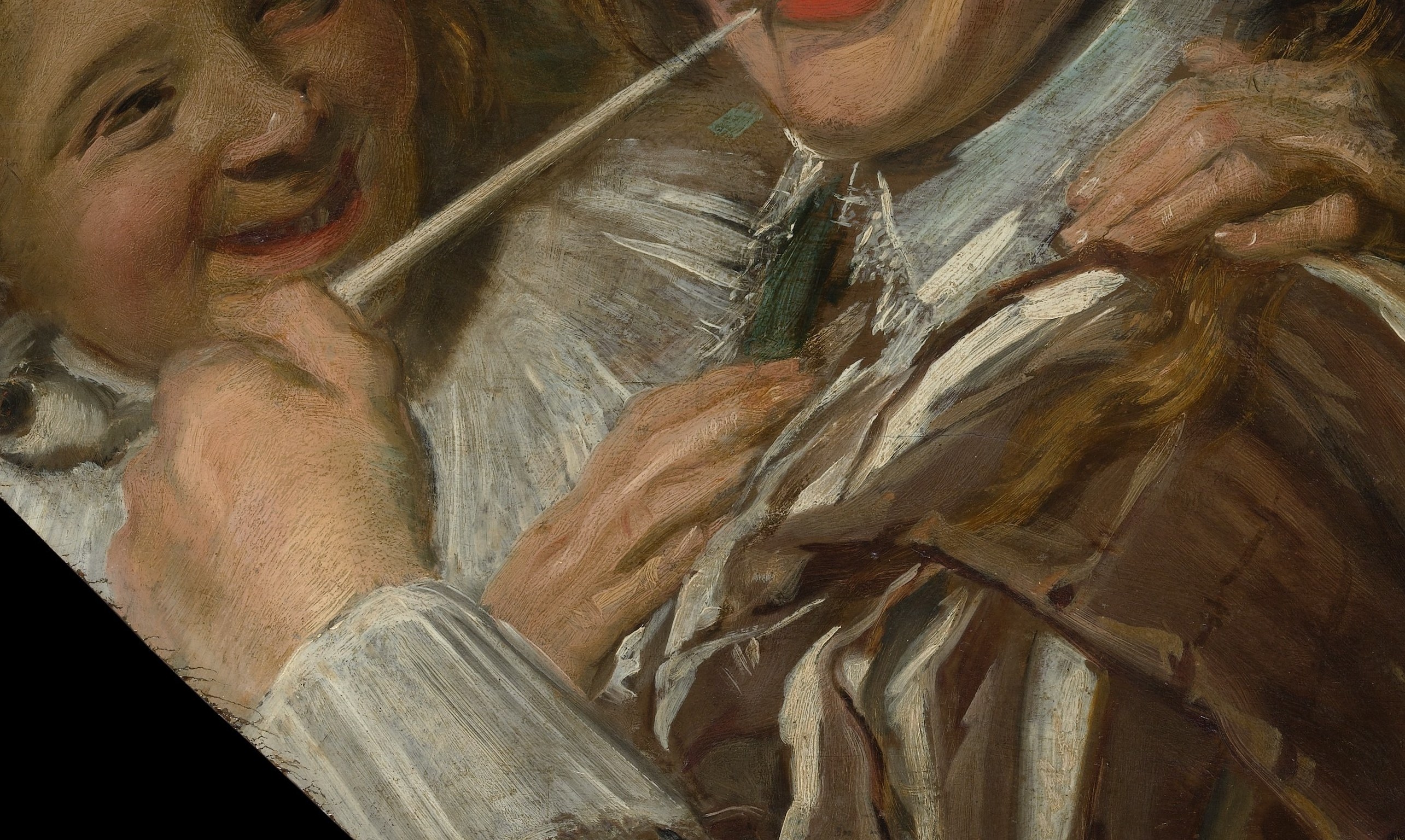
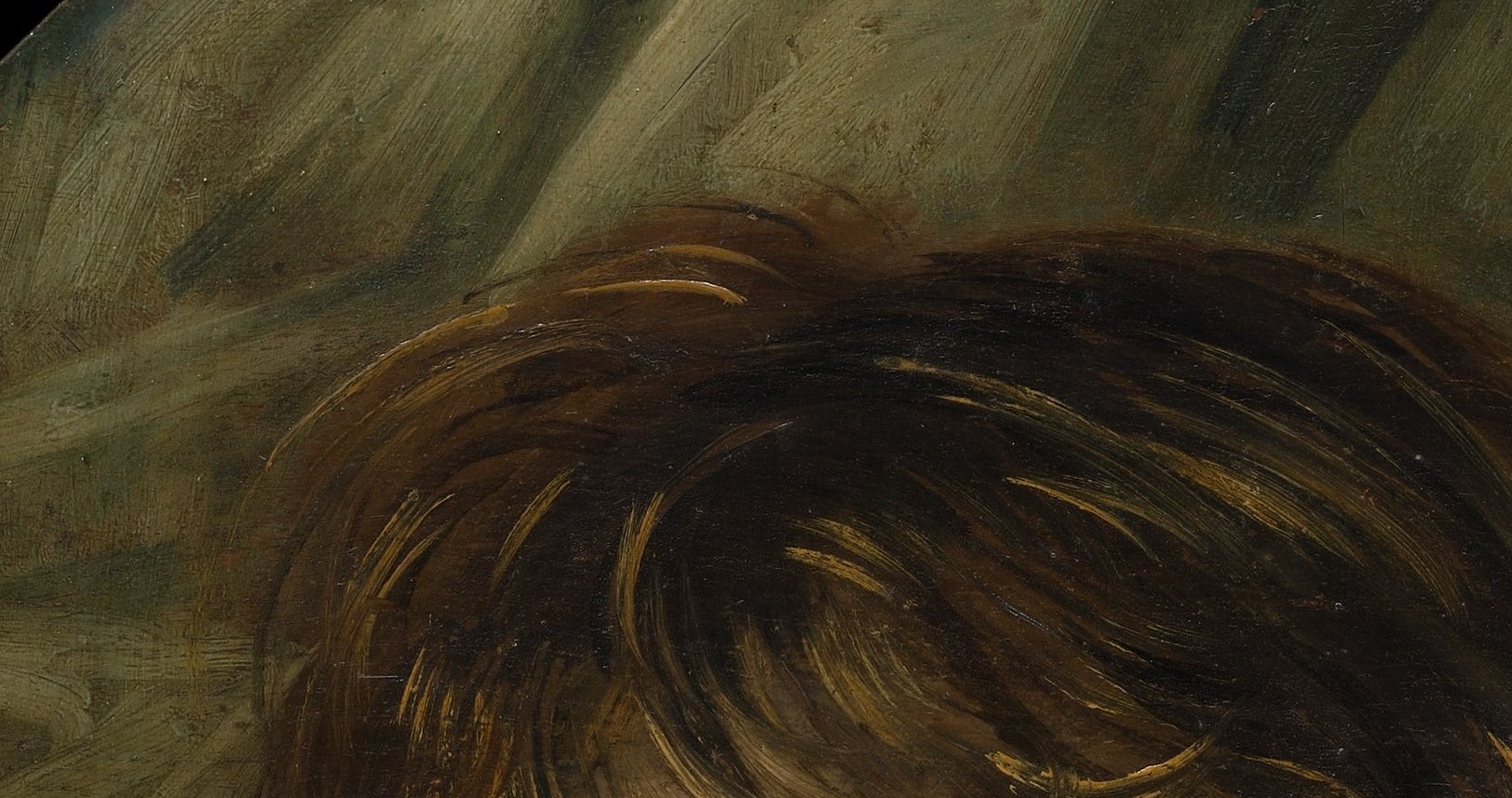
Look at the jacket. Step close, or zoom in, and the brown fabric dissolves into individual, unblended dabs of paint. Hals did not labor over smooth transitions. He laid down one stroke, then another beside it, and let the eye do the blending. It is the same optical trick Impressionism would be celebrated for discovering two and a half centuries later.
The painting is a tronie, a character study of an everyday type rather than a formal portrait of a named client. The clay churchwarden pipe marks the sitter as a man of leisure enjoying a fashionable New World novelty. Hals was sought after by wealthy burghers in Haarlem, but here he turned his rapid, painterly style on a subject from the street or tavern.
This loose, unblended brushwork was Hals' signature. Vincent van Gogh once wrote that Hals used twenty-seven shades of black. That is the thing about this painting. The technique is so direct and modern that it collapses the distance between 1626 and today. What else in the paint surprises you?
Details
Transcript
Three heads, a pipe, and a grin. Painted in Haarlem, 1626. Tobacco was a fashionable Amsterdam novelty. Now look at his jacket. No blending. Just dabs of paint on paint. Monet and Renoir would discover this 250 years later.