Woman from Heiloo in country dress by J. van Horst
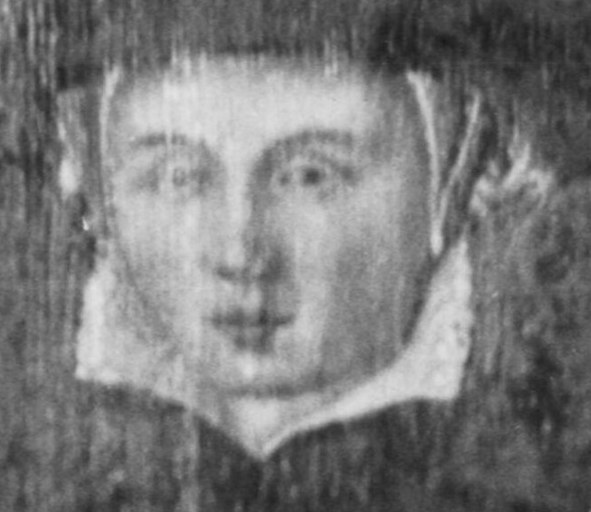
This striking portrait, "Woman from Heiloo in country dress" by J. van Horst, painted in 1570, might seem like a simple depiction, but it's rich with subtle details that tell us about its subject. Held at the Rijksmuseum, it captures the essence of Dutch regional identity from the era.
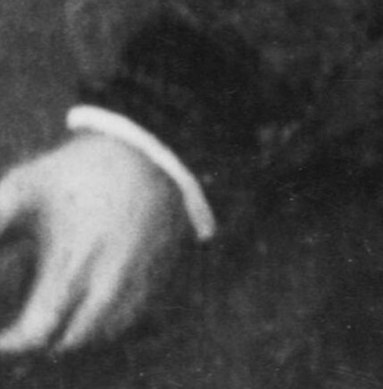
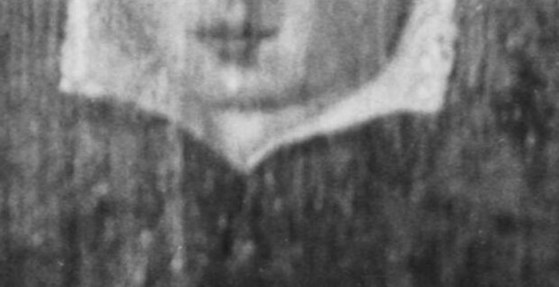
Observe her pose, with a hand gently placed on her chest, conveying a sense of modesty. The wide, flared cuffs of her dark dress are characteristic of everyday attire rather than aristocratic fashion. However, a less obvious detail holds a key to her specific origin.
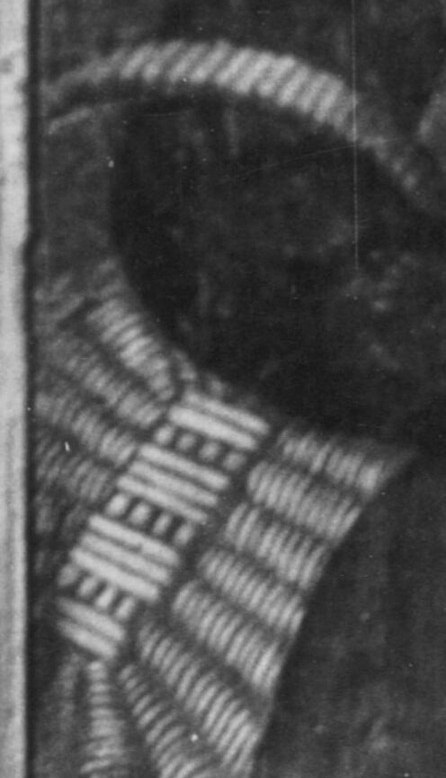
Look closely at the striped fabric just visible behind her left shoulder. This particular pattern was characteristic of the agricultural community of Heiloo, a town in North Holland. The painting subtly identifies her as an inhabitant of this region, reflecting a period when local dress was often used in portraiture to denote identity.
The artist, J. van Horst, captured not just a face, but a story of regional pride and personal identity through these careful visual cues. What other hidden details do you think might be in historical portraits?
Details
Transcript
This woman wears the everyday dress of a Dutch countrywoman. Her pose, with one hand over her chest, suggests modesty. Her wide, flared cuffs are a feature of common regional dress. But look closely at the fabric behind her shoulder. This striped fabric is specific to a town called Heiloo. It signals her identity, even in this simple portrait.