明 傳仇英 五星二十八宿神形圖 卷|Divinities of the Planets and Constellations by Qiu Ying
This incredible handscroll, "Divinities of the Planets and Constellations" by Qiu Ying, from the 16th century, found in a prominent museum collection, doesn't just depict gods; it maps the very stars.
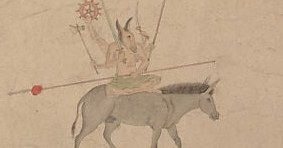
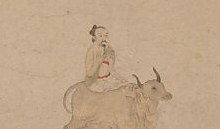
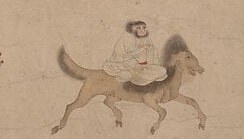
Look closely and you'll see a celestial parade. Each deity, mounted on a different creature like a donkey, bull, or phoenix, embodies a specific Chinese constellation. The intricate inscriptions above them identify these heavenly bodies, blending astronomical knowledge with rich mythology.
This fusion of scientific observation and imaginative storytelling was a unique artistic choice during the Ming dynasty. It transformed complex star patterns into a vibrant, narrative sequence, making the cosmos relatable and visually captivating.
The scroll offers a fascinating glimpse into how ancient cultures understood and represented their universe. It's a testament to the artist's skill and the era's intellectual curiosity.
Details
Transcript
This scroll maps the Chinese night sky. It shows constellations as a parade of deities. The text above each figure identifies its celestial body. This figure, riding a phoenix, represents a star group. Another figure rides a bull, personifying another constellation. This blend of science and myth was unusual for its time.