George Pollock by Stuart, Gilbert
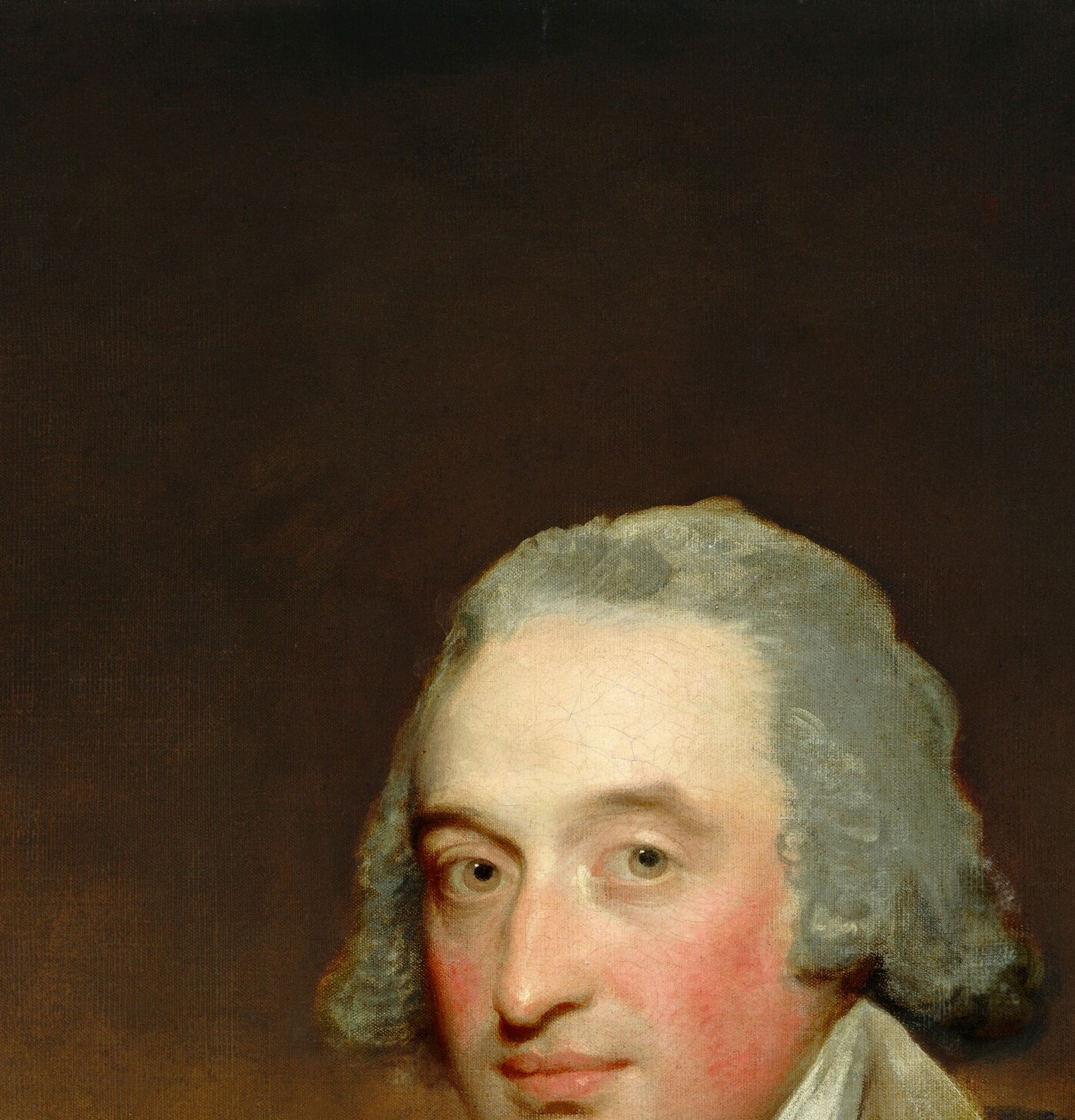
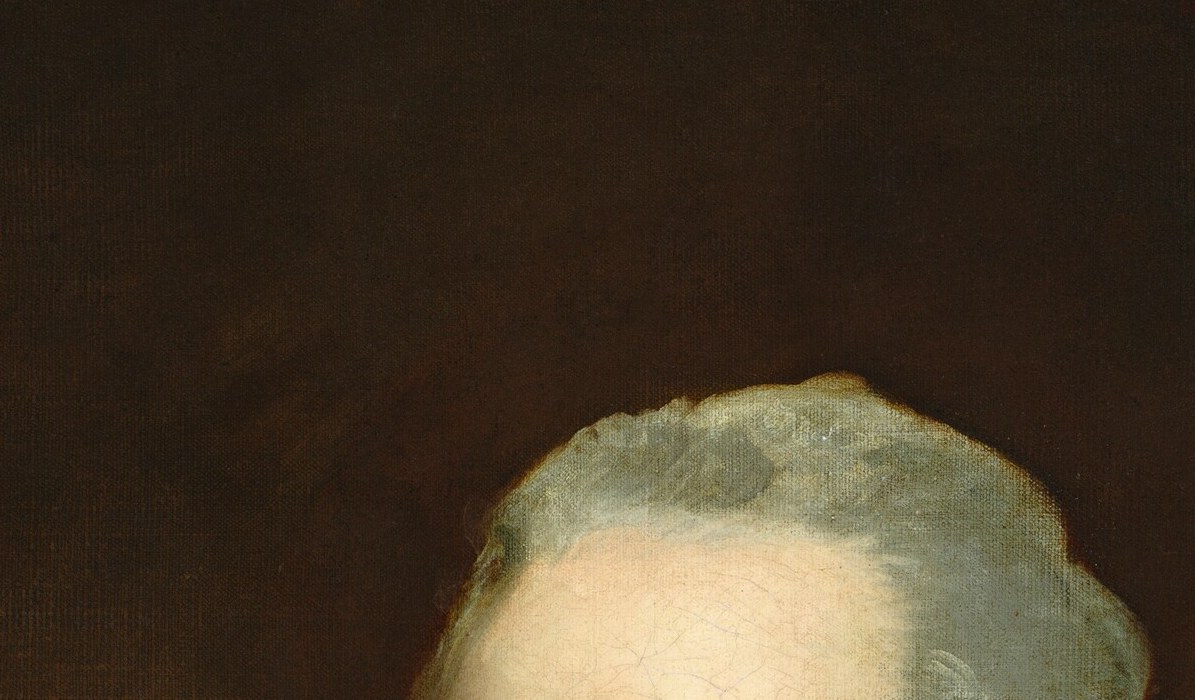
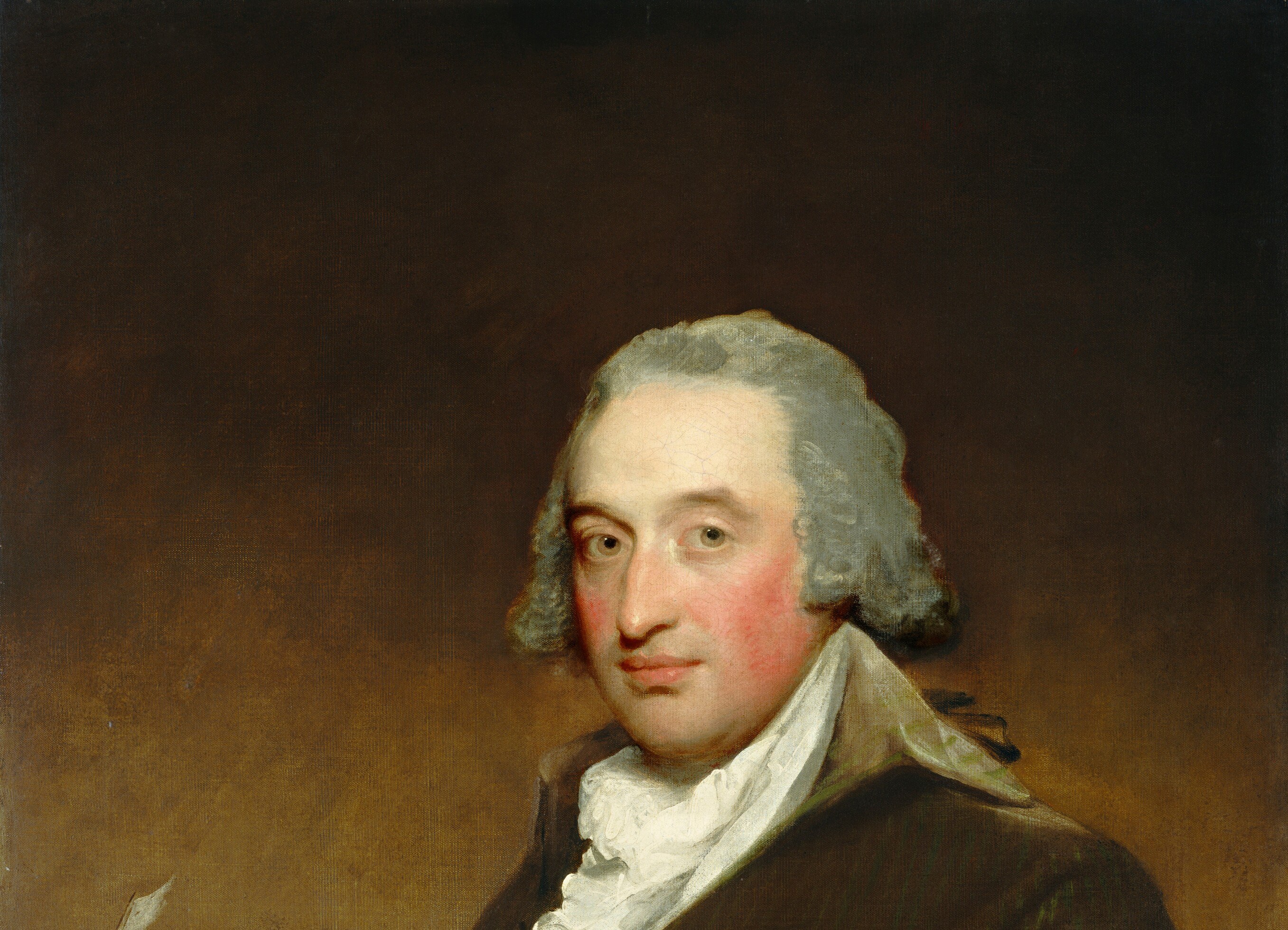
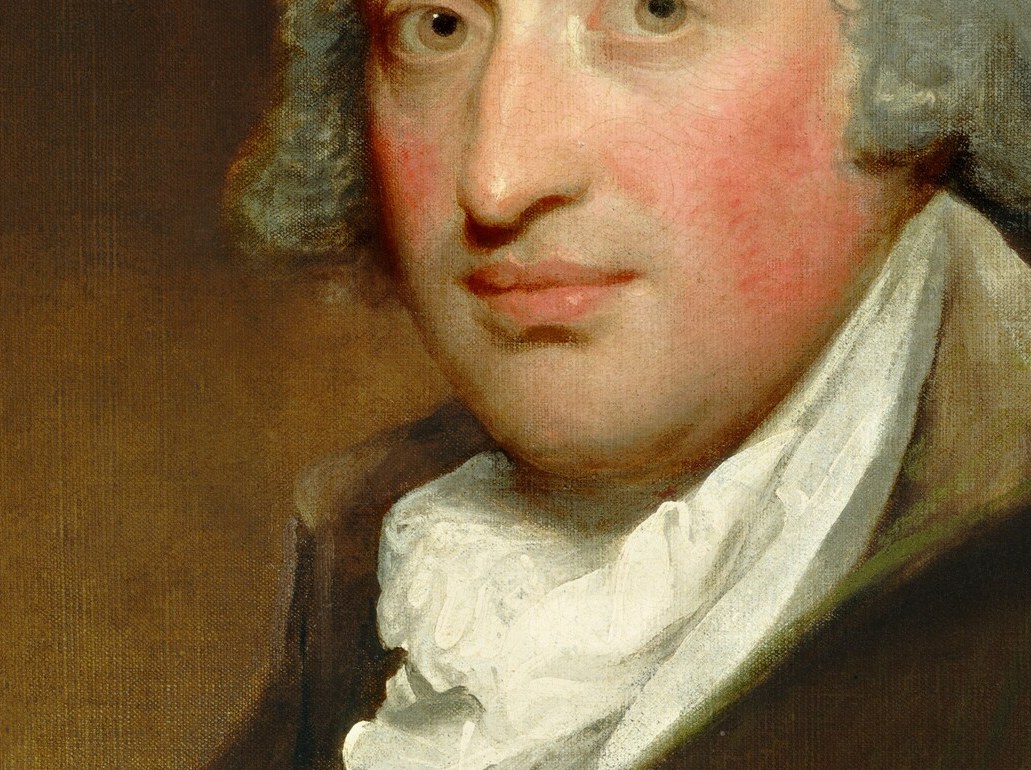
This is George Pollock, a 1794 oil portrait by Gilbert Stuart, now in the collection of the Smithsonian American Art Museum. It is a remarkably composed portrait of a man whose identity is almost entirely lost to time. But its survival is a story of theft, secrecy, and resurrection.
The painting disappeared in 1812 from a Boston home, stolen just four years after the city’s most famous portraitist, Gilbert Stuart, died. The theft was reported in local newspapers, but the work then fell into a historical void. It did not reappear in any public record until 1905, nearly a century later, in the possession of a private collector. The intervening years remain blank.
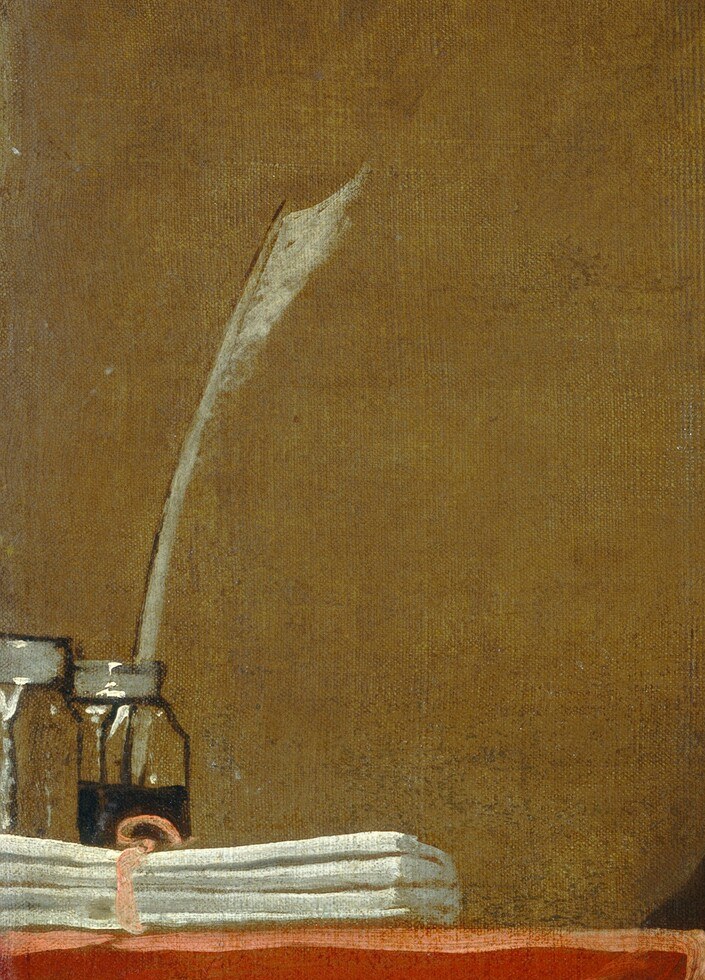
Look closely at his eyes. They are the signature of Stuart’s virtuoso technique: he began a face with the eyes, rendering them with such wet, precise lucidity that a sitter felt they were already alive on the canvas. The eyes here are direct, untroubled, fixed on the viewer. Beside him are papers and a quill, the attributes of a literate professional, perhaps a lawyer or merchant, but no record has confirmed his occupation.
Gilbert Stuart himself was a figure of immense national importance. A Rhode Island native trained in London, he returned to America and famously painted George Washington more than a hundred times. His face of Washington is the one on the dollar bill. But not all of his sitters were presidents. Some, like Pollock, were simply people who could afford his considerable fee and wished to be remembered. This painting nearly failed that promise. Instead, a theft and a long silence gave it a story its sitter never expected:
What do you see when you meet his eyes, a man at ease, or a man who knows his likeness is about to go on a strange journey?
Details
Transcript
This portrait is a record of a crime. In 1812, it was stolen from a Boston home. The thief knew its value. Gilbert Stuart had just died. Look at his eyes. Stuart painted them first, and they never blink. The theft made the papers. Then the painting disappeared. It resurfaced in 1905, in a private collection, its history a blank. George Pollock sits here now, the same as he always did, waiting to be found.