Still Life with a Glass and Oysters by Jan Davidsz. de Heem
View the artwork: Still Life with a Glass and Oysters →
Jan Davidsz. de Heem painted Still Life with a Glass and Oysters around 1640, and it became one of the first Dutch paintings to enter the Metropolitan Museum of Art. The Met acquired it in 1871 as part of their founding purchase, before they even had their own building. For context, this is oil on wood, roughly 25 by 19 centimeters. You could hold it in one hand.
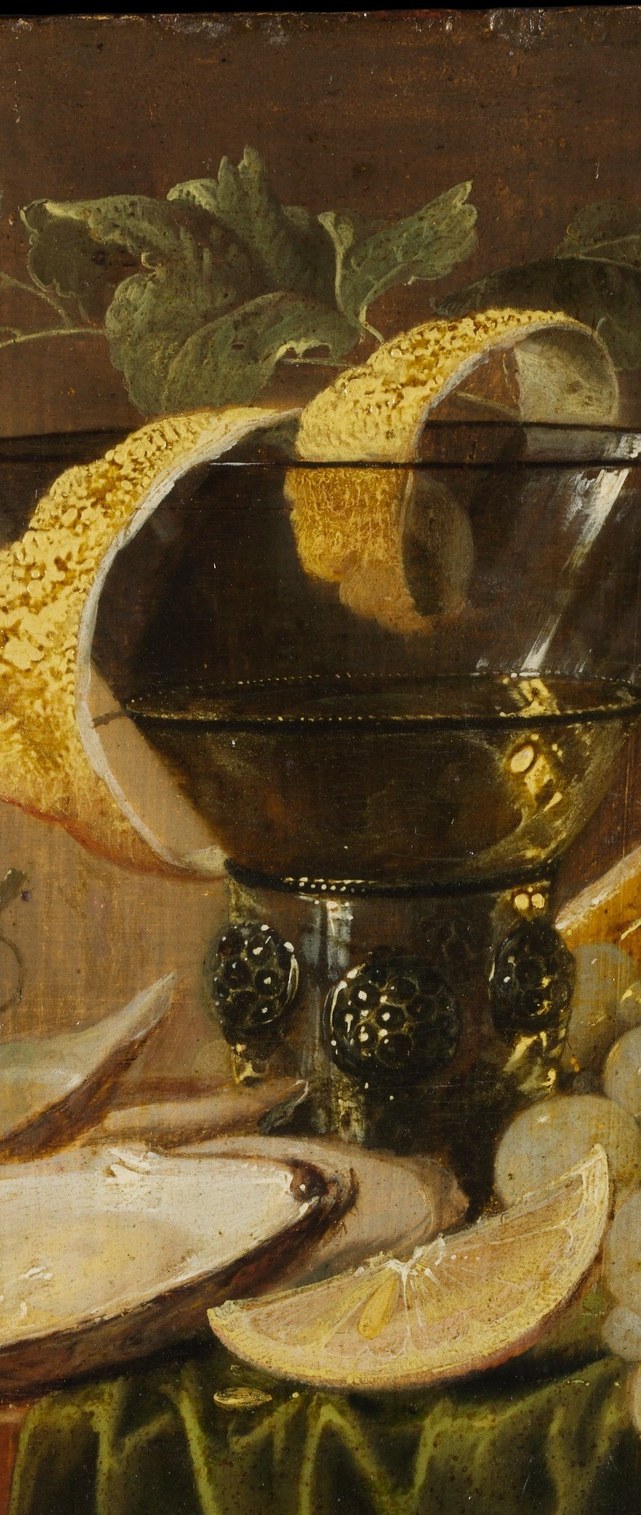
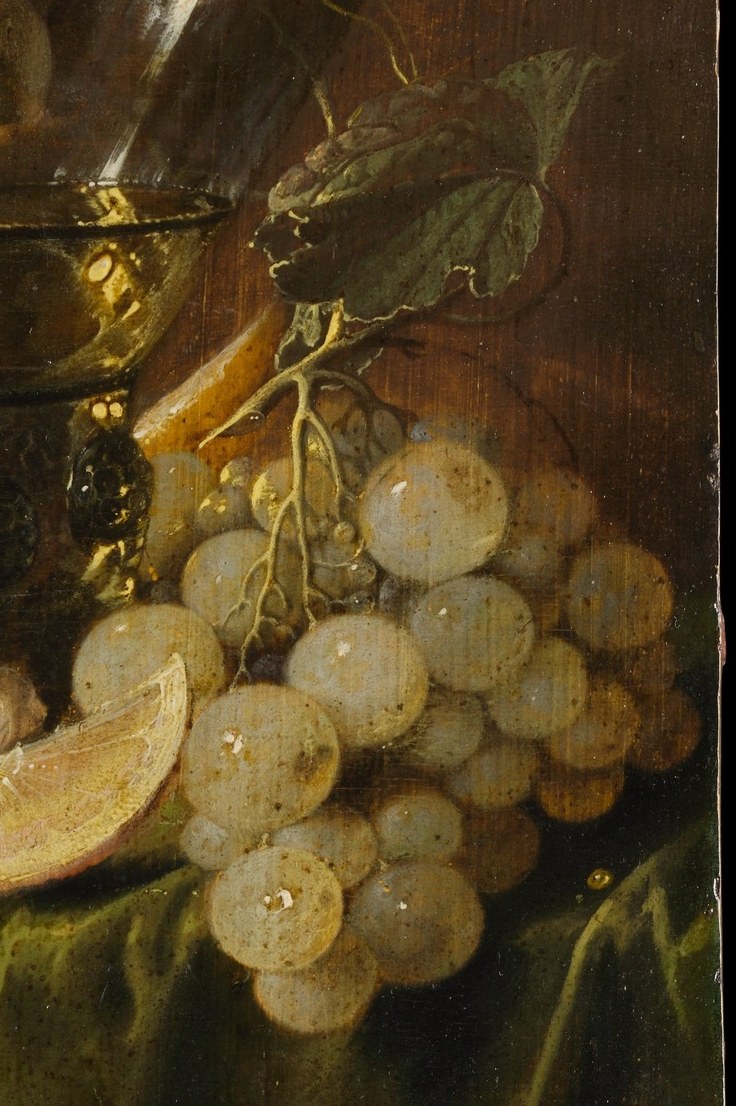
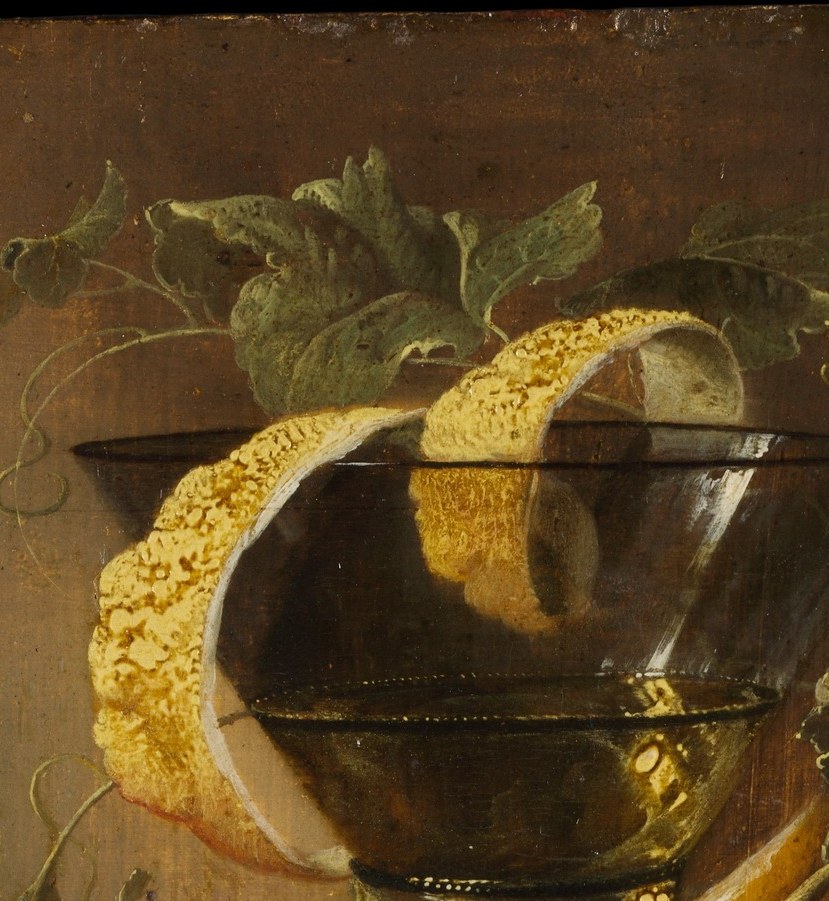
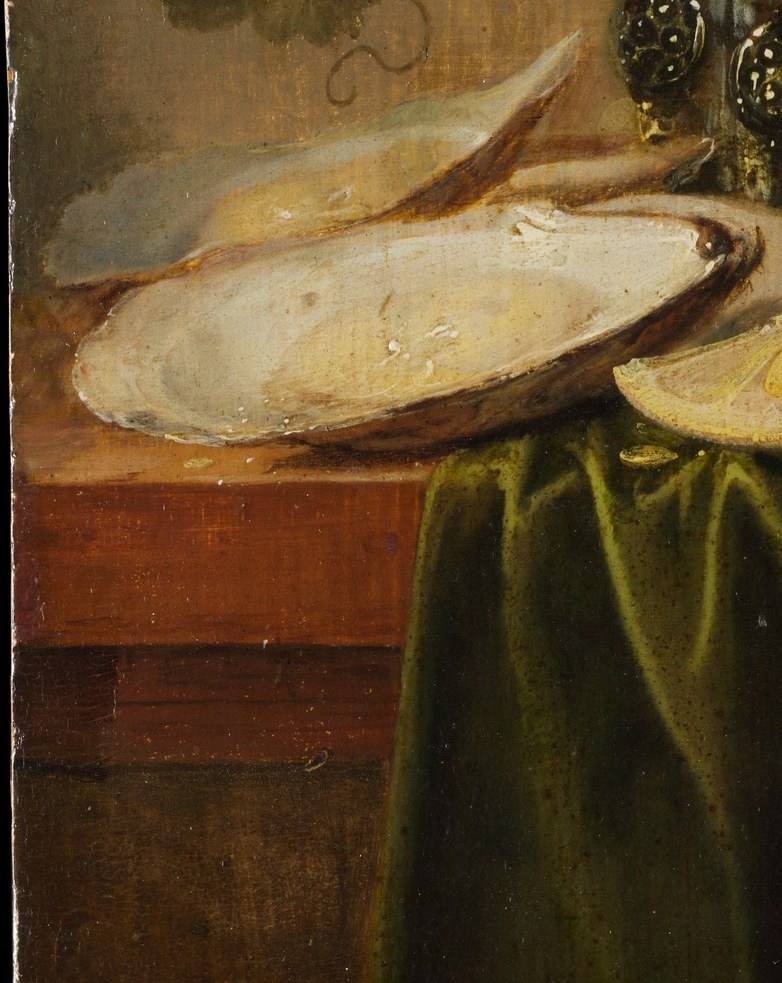
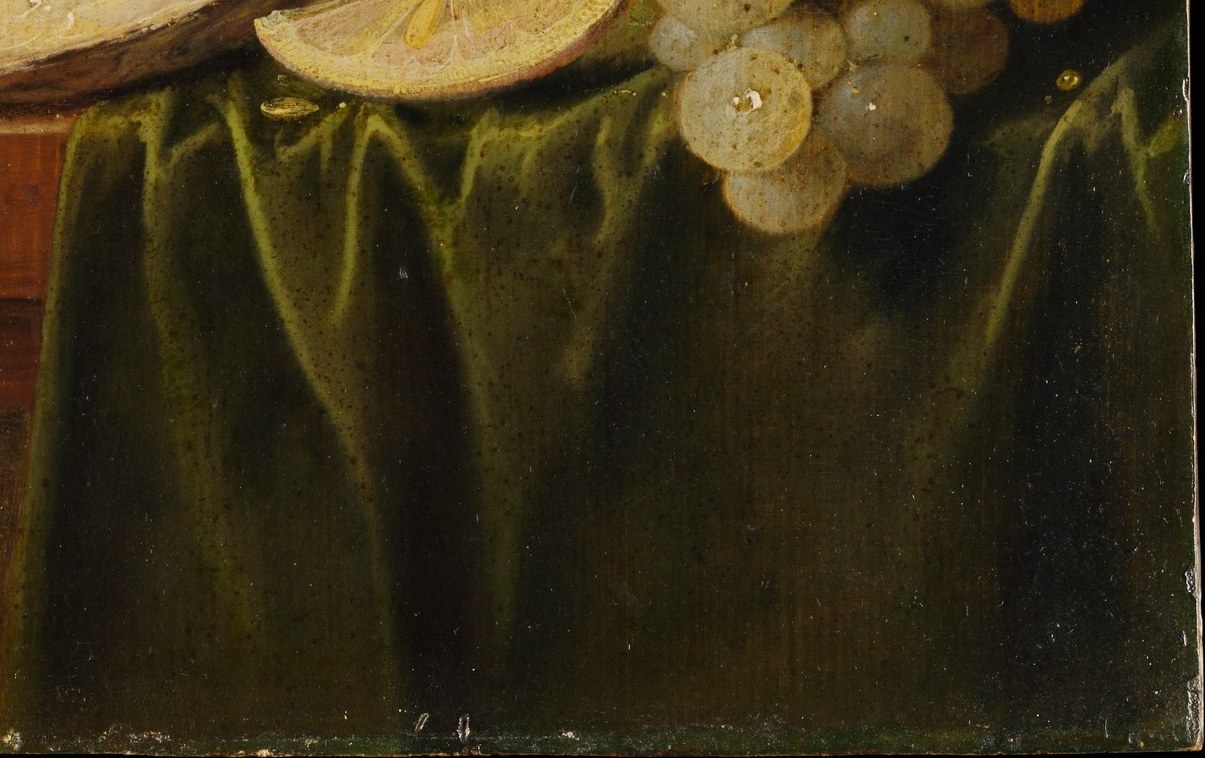
It rewards the closest possible look. The wine glows inside the roemer as if the glass traps its own light source. The lemon peel drapes over the rim in a single unbroken ribbon, and the oysters on the pewter plate still look wet. Every surface gets a different treatment: the grapes are translucent spheres, the pewter is silvery and matte, the cloth is deep velvet shadow.
De Heem was born in Utrecht in 1606 and trained under Balthasar van der Ast. He moved to Antwerp in his late twenties and fused Dutch restraint with Flemish richness, becoming one of the most sought-after still-life painters of the century. This little panel is from his early Antwerp period, meant for a private collector's cabinet, not a public wall.
Poet Mark Doty found this painting in the Met and kept returning to it. He eventually wrote an entire book, Still Life with Oysters and Lemon, trying to understand what held him there. He thought it had something to do with how fully the painting attends to ordinary, fleeting things. Have you ever been stopped in your tracks by a single painting?
#arthistory #dutchgoldenage #metmuseum
Details
Transcript
New York, 1871. The Metropolitan Museum buys its first paintings. This was one of them. Small enough to hold in your hand. A glass of wine, a pewter plate. Ordinary things. But look at the glass. The wine glows from inside. And the lemon: a single unbroken spiral, draped on the rim. A century later, a poet walked past it and stopped. Mark Doty would write an entire book about this one painting. He kept coming back to the oysters. Their glistening silence.