Artwork
Still Life with a Glass and Oysters
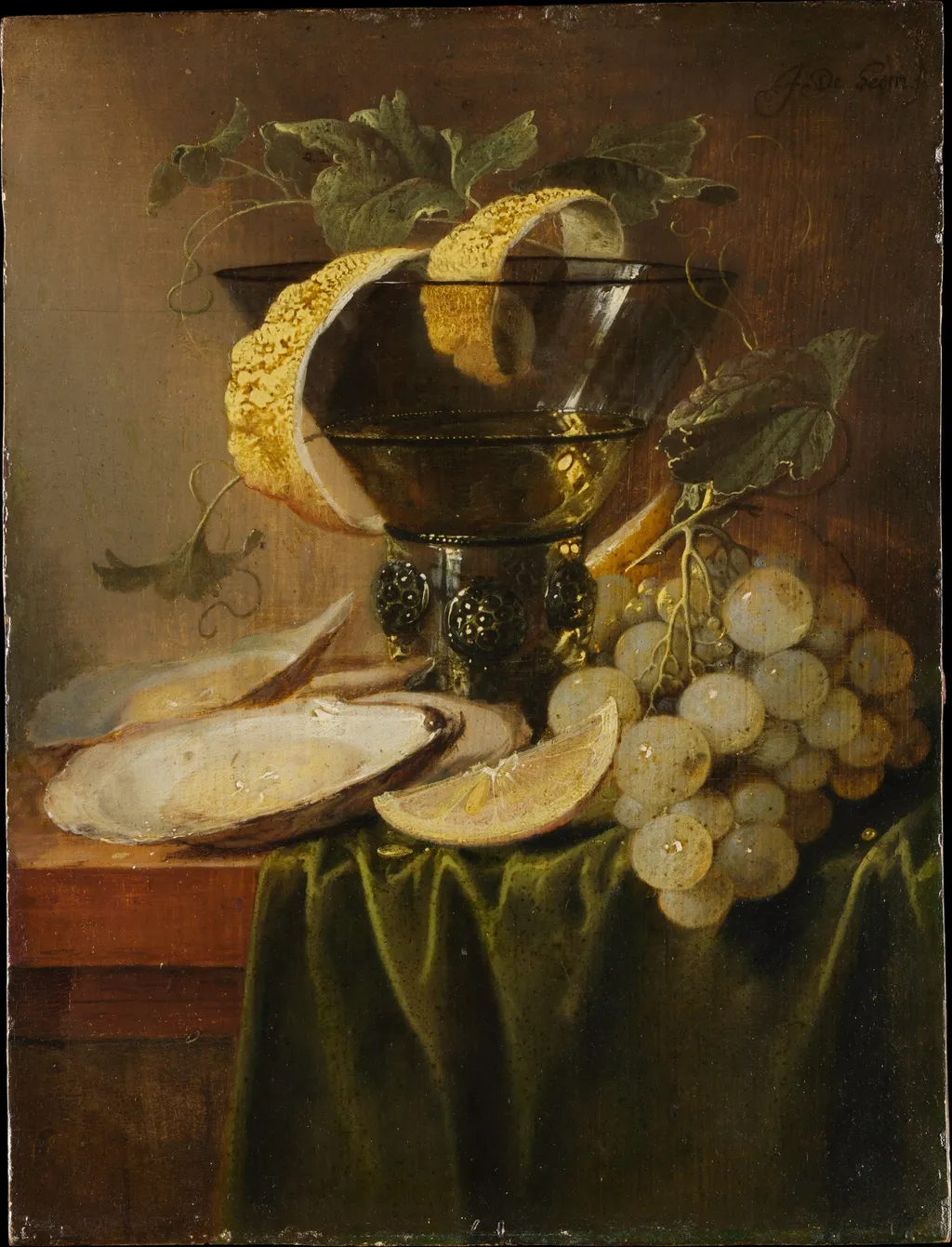
Still Life with a Glass and Oysters is an oil painting by the Dutch Golden Age artist Jan Davidsz. de Heem. It dates from 1640 and is held in the collection of the Metropolitan Museum of Art. Jan Davidsz.
About this work
At just under ten inches tall, the painting was designed for a collector's cabinet, meant to be studied by a single viewer in close quarters.
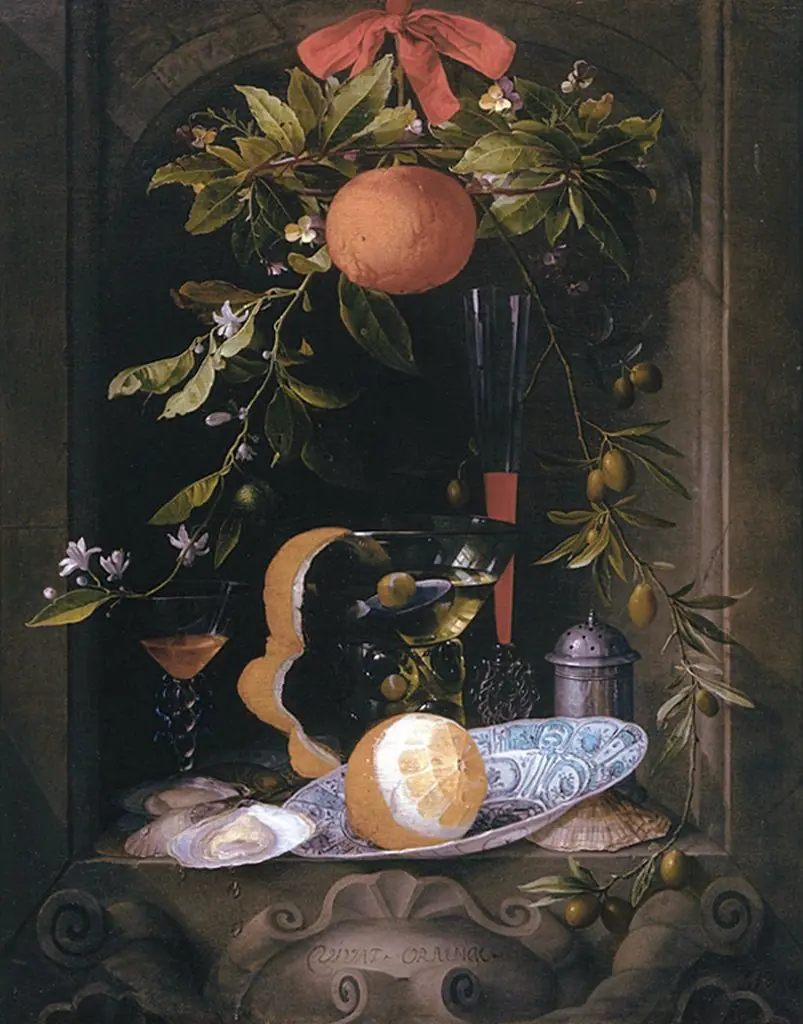
A lemon peel curls beside a roemer half-filled with wine, while oysters glisten on a pewter plate in this compact panel by Jan Davidsz. de Heem. The Metropolitan Museum of Art acquired the work in 1871 as part of its founding purchase, recognizing the Dutch artist's ability to render texture and light at an intimate scale. At just under ten inches tall, the painting was designed for a collector's cabinet, meant to be studied by a single viewer in close quarters.
Overview
Jan Davidsz. de Heem's Still Life with a Glass and Oysters, painted around 1640, exemplifies the artist's early work in Antwerp. This small oil-on-wood panel, measuring approximately 25 by 19 centimeters, presents a concise arrangement of familiar objects from Dutch Golden Age still life. Its modest scale suggests it was created for personal viewing, inviting close examination of its finely rendered details. The painting was among the initial acquisitions of The Metropolitan Museum of Art.
Subject & Meaning
The composition features a roemer, a distinctive wine glass, alongside grapes, a spiraling lemon peel, and glistening oysters on a pewter plate. These elements were common in 17th-century Dutch still life. Oysters, in particular, were often associated with aphrodisiac qualities by viewers of the era.
The painting's intimate dimensions indicate it was likely intended for a private collector's cabinet, encouraging individual contemplation rather than public exhibition.
Technique & Style
De Heem demonstrates meticulous attention to surface textures and light in this work. He captures the reflective quality of the pewter, the delicate translucence of the grapes, and the crispness of the lemon rind with remarkable precision. A cool, focused light source illuminates these ordinary items against a subdued background, creating a sense of quiet intimacy. This careful rendering of detail and atmosphere is characteristic of his smaller-scale cabinet paintings.
History & Provenance
This painting holds a significant place in the collection of The Metropolitan Museum of Art, having been acquired in 1871. It formed part of the museum's foundational purchase, making it one of the very first Dutch artworks to enter its holdings. Its acquisition reflects an early recognition of Jan Davidsz. de Heem's artistic merit and the enduring appeal of Dutch Golden Age still life.
Context
Jan Davidsz. de Heem, born in Utrecht in 1606 and trained by Balthasar van der Ast, relocated to Antwerp in the mid-1630s. During this productive period, he developed a distinctive style that merged the refined restraint often seen in Dutch painting with the more opulent sensibility of Flemish art. This synthesis contributed to his reputation as one of the most sought-after still-life painters of the 17th century.
Legacy
The enduring appeal of de Heem's work is evidenced by its impact on later artists and writers. The poet Mark Doty, for instance, found such profound inspiration in Still Life with a Glass and Oysters that he dedicated an entire book to his experience with the canvas. Doty noted how the painting's immediate sensory qualities compelled him to return to it repeatedly, highlighting its lasting power.
Own this work as a print
Artist & collection
Artist
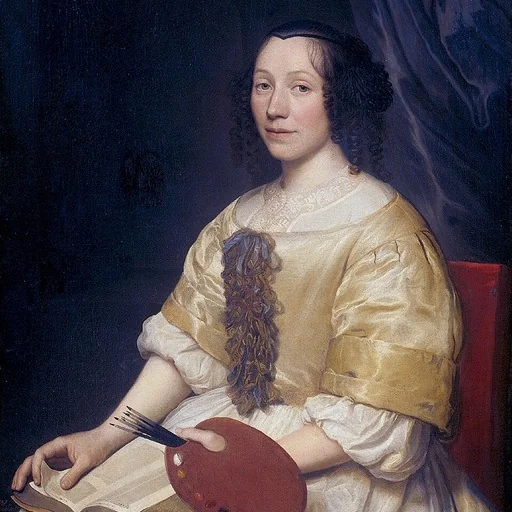
Maria van Oosterwijck (1630–1693), also spelled Oosterwyck, was a Dutch Golden Age painter, specialising in richly detailed flower paintings and other still lifes.

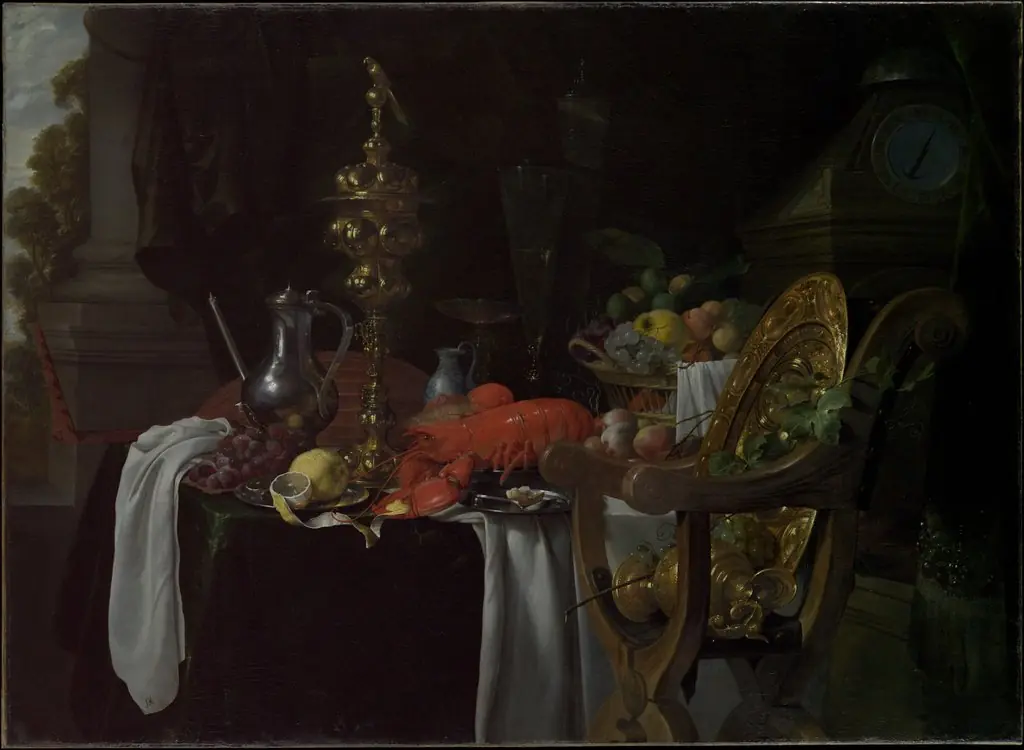
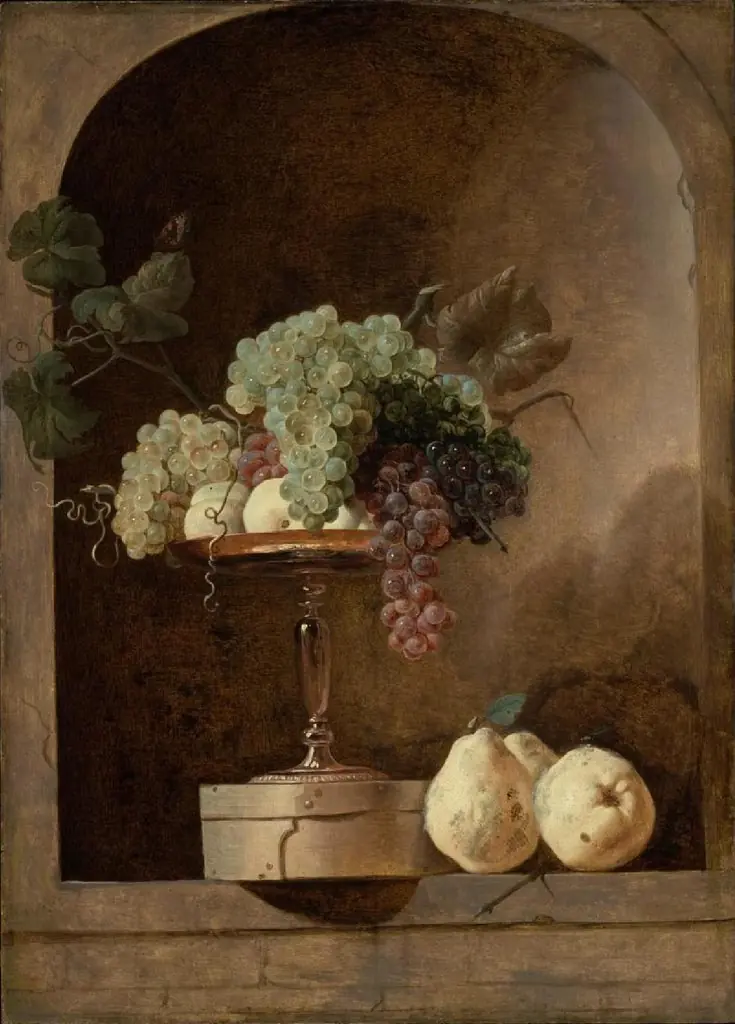 Grapes, Peaches and Quinces in a Niche
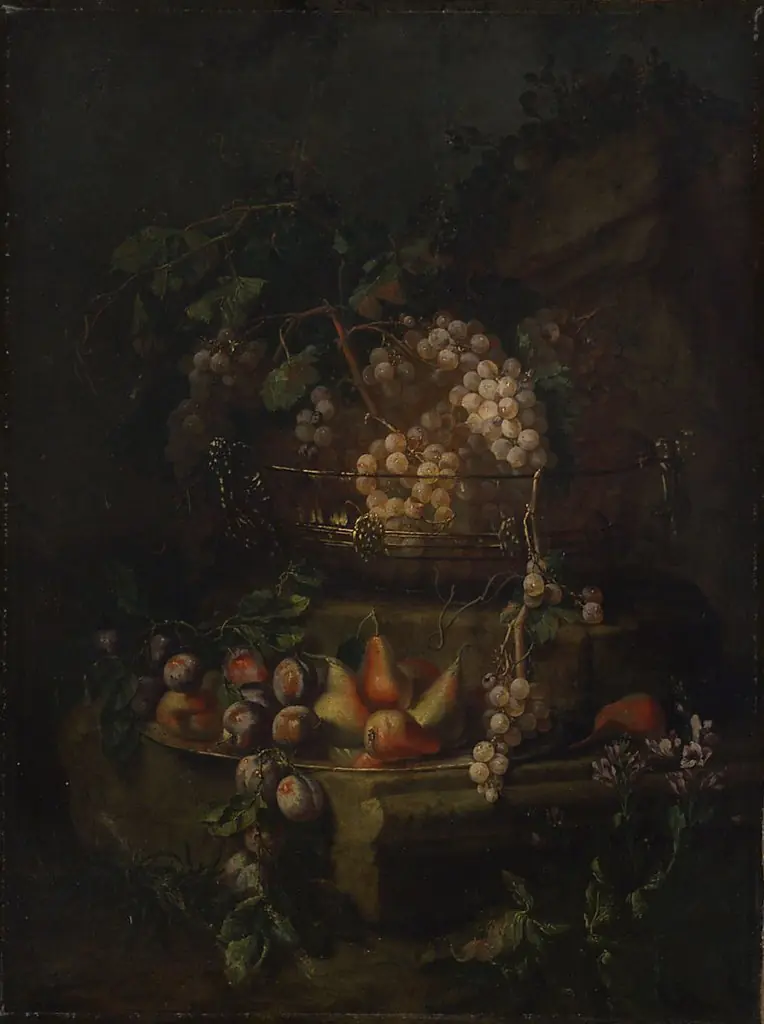 Still life with Fruit
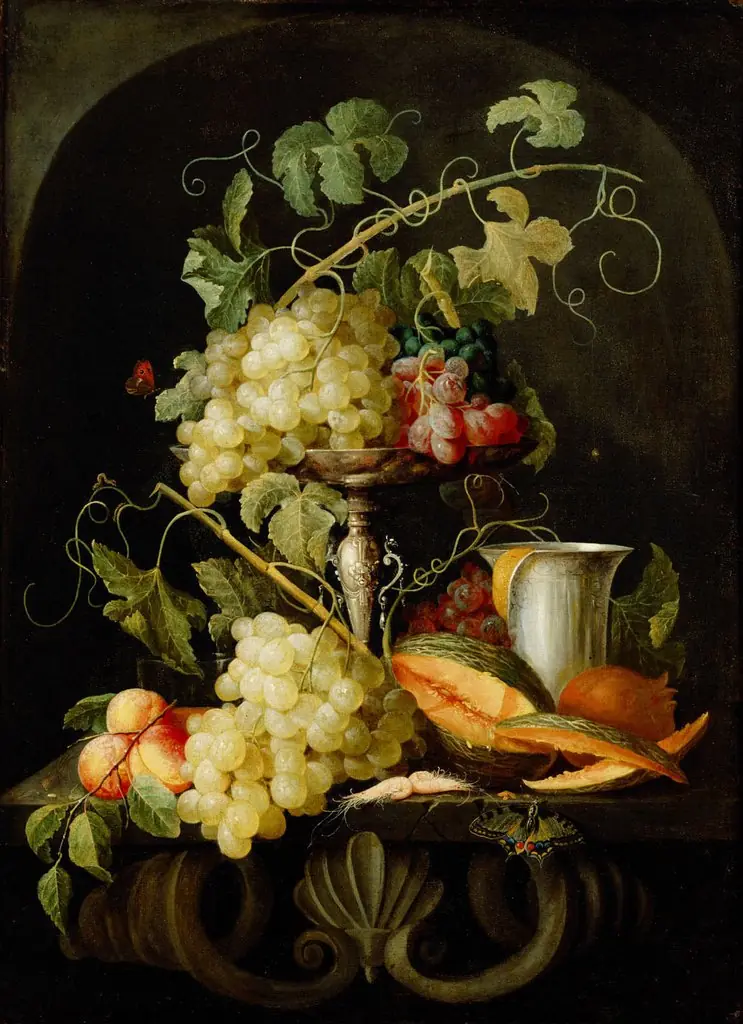 Still life with fruit
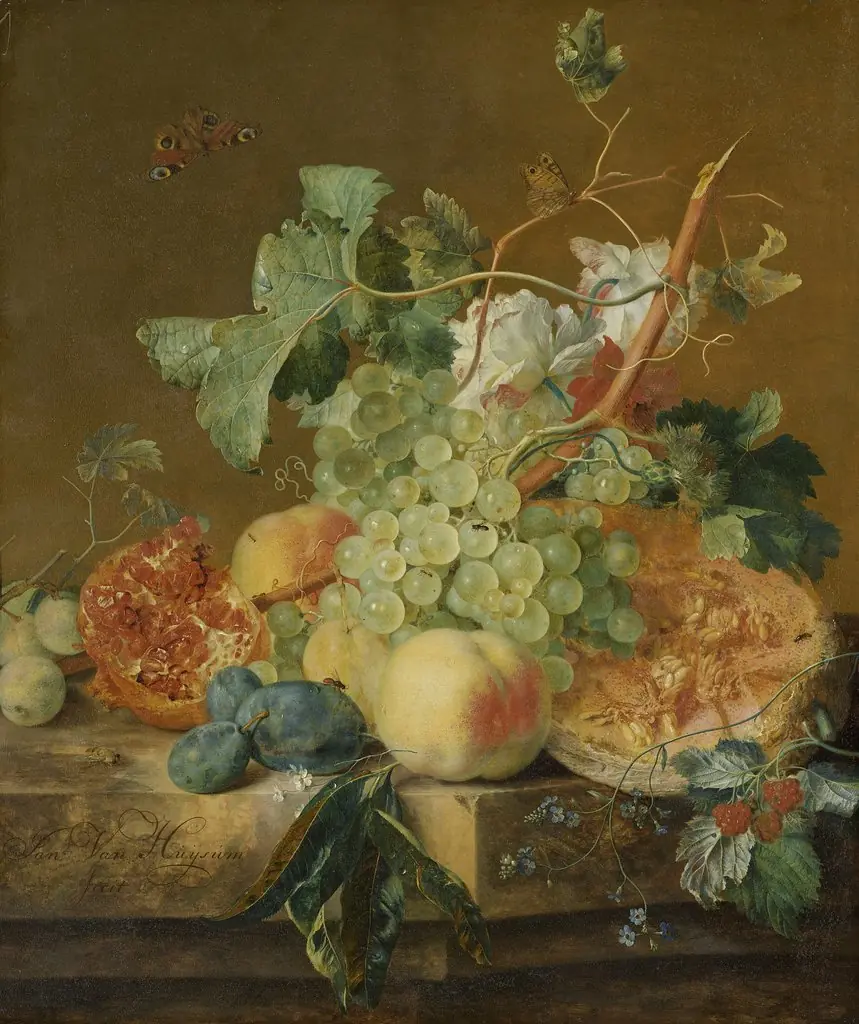 Still Life with Fruit
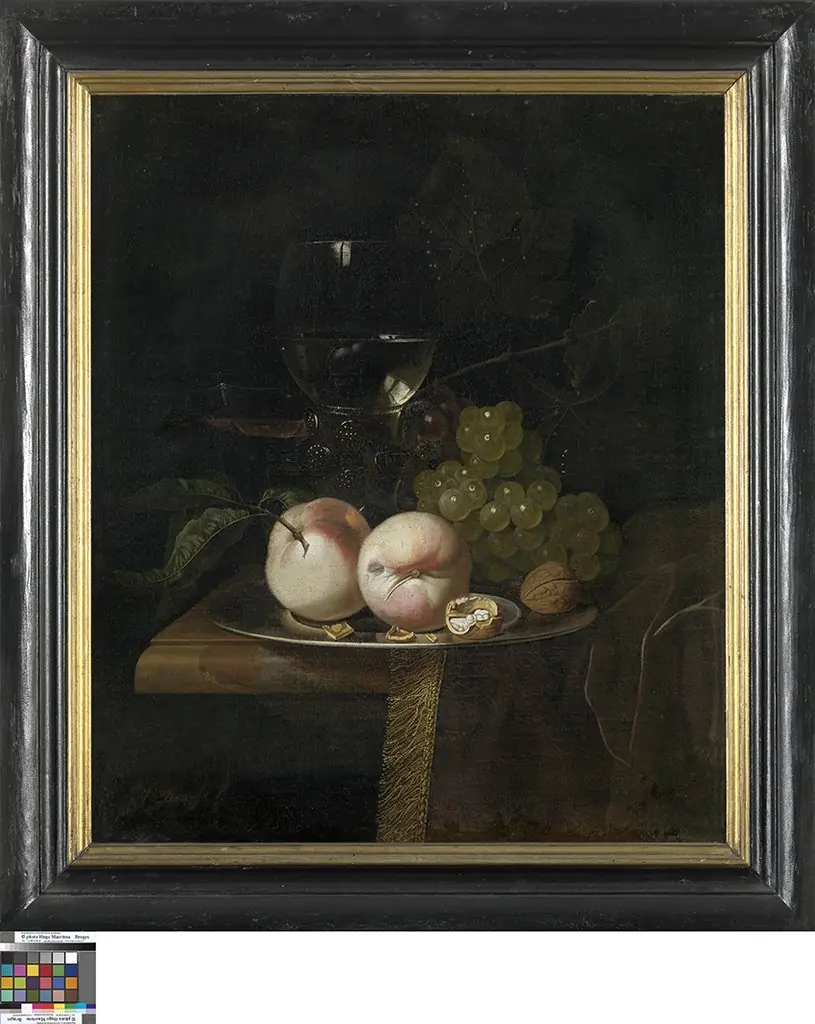 Stilleven met fruit en een wijnglas
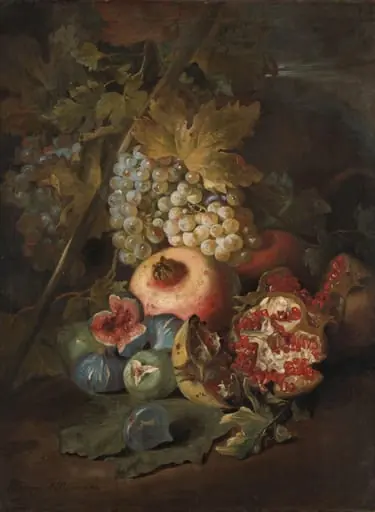 Bunches of Grapes, Pomegranates and Figs in a Landscape
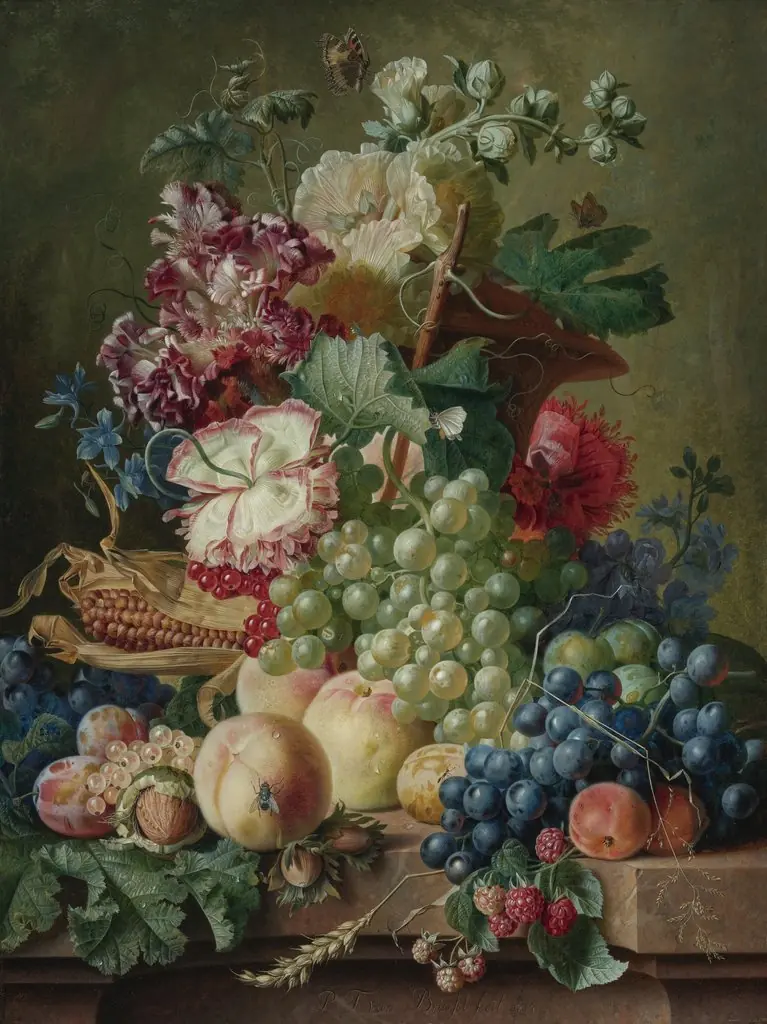 Still life of flowers and fruits on a marble ledge
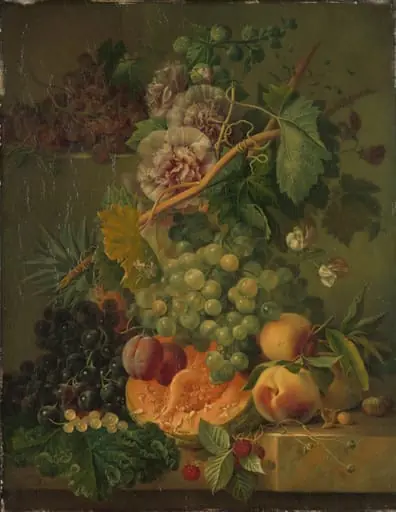 Still Life with Flowers and Fruits
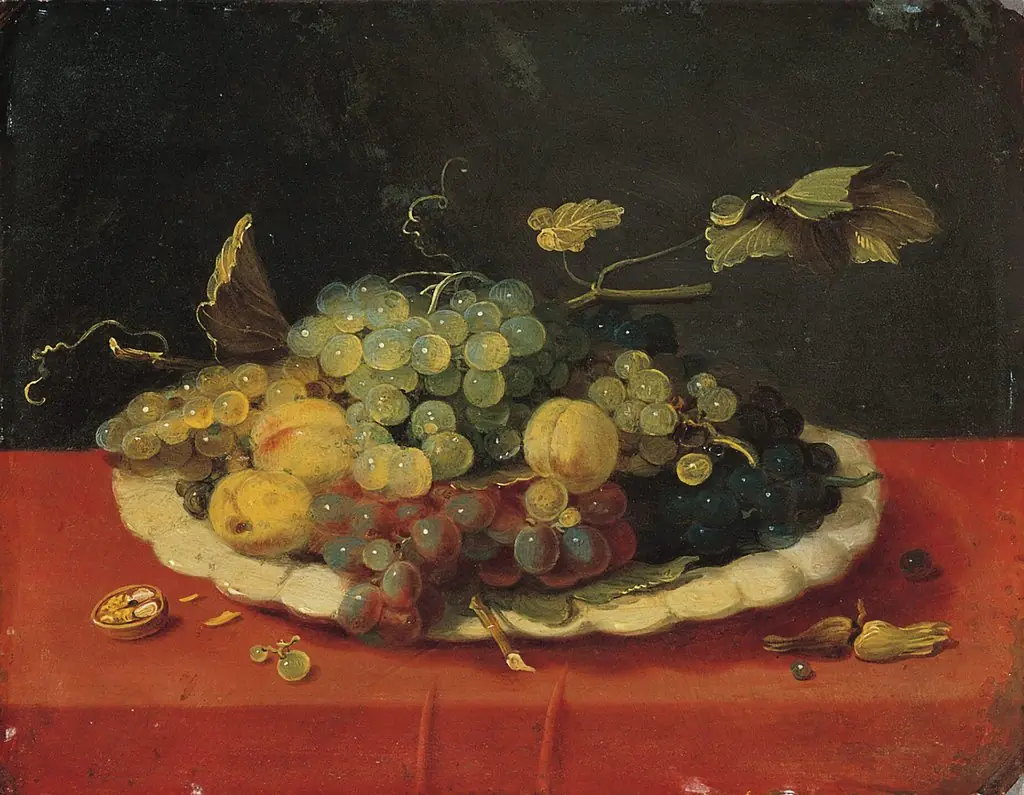 Still-Life with Fruit
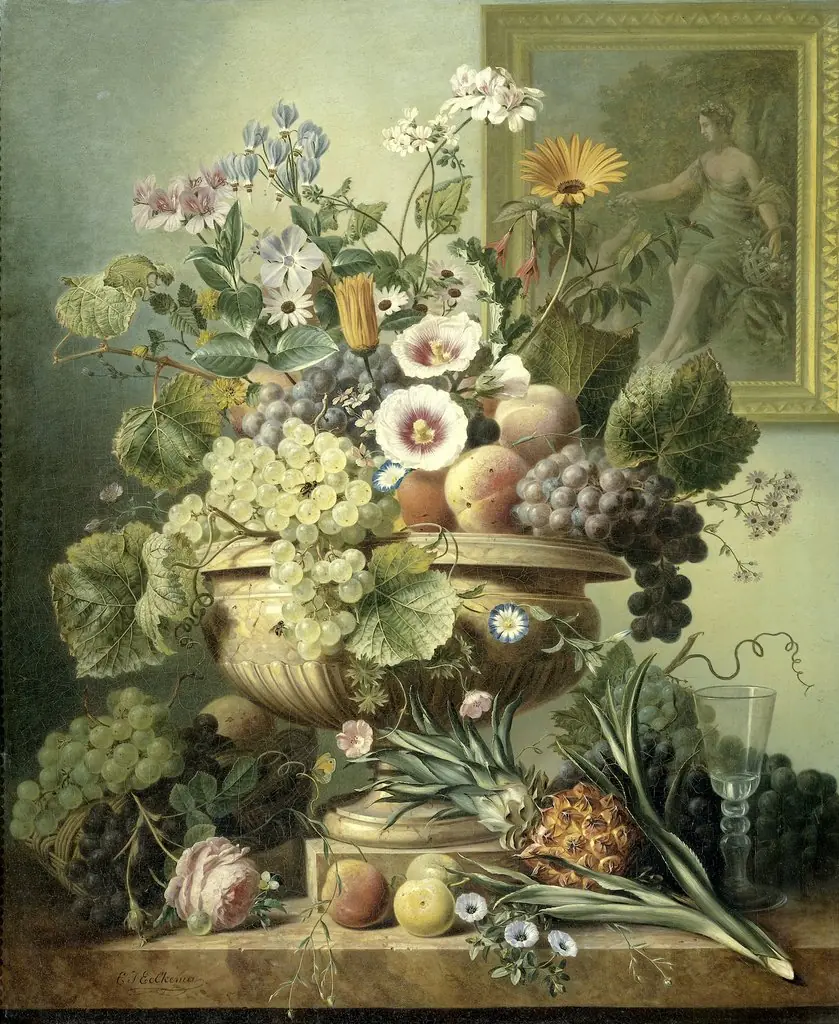 Still-Life with Flowers and Fruit
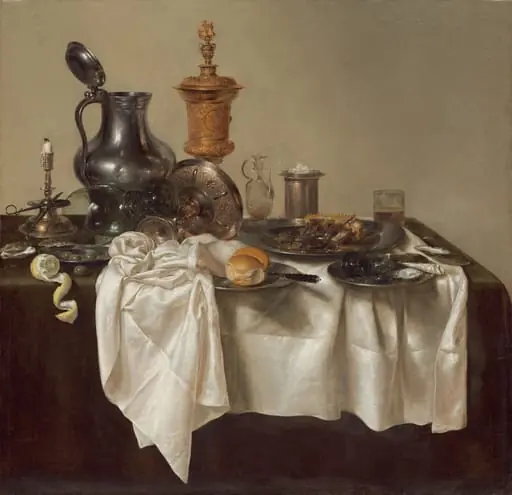 Studied in the Dutch Golden Age course