明 傳蔣嵩 冬景山水圖 卷|Winter landscape by Jiang Song
This is Winter Landscape, a handscroll by the Ming dynasty painter Jiang Song, created in the first half of the 16th century. For a long time, the art world got it wrong. The piece was attributed to a later, lesser-known artist and largely ignored. It turns out a case of mistaken identity hid a masterwork in plain sight for decades.
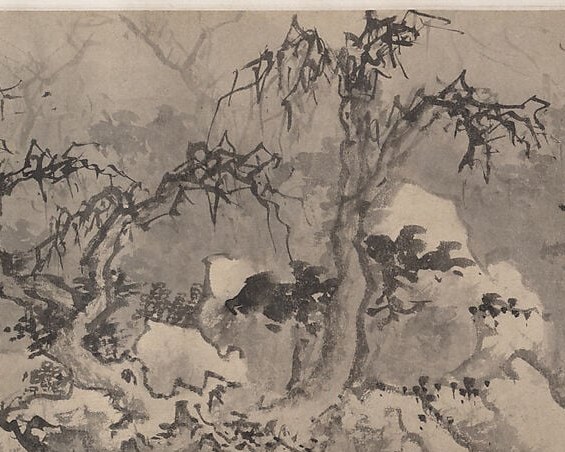
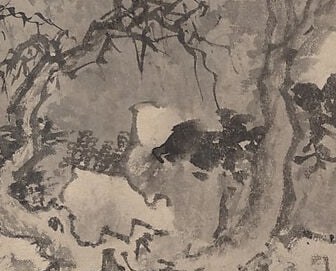
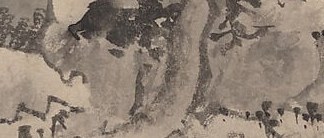
Look closely at the tree trunks, rendered in a technique that drags near-dry ink across the paper. This isn't just a depiction of cold; it's a tactile reconstruction of frost. The faint blue wash across the snow and the skeletal branches against the pale sky create a world of profound, austere silence, dwarfing the tiny bundled figures at the bottom.
The handscroll was eventually re-evaluated and re-attributed to Jiang Song, an artist from the first half of the 16th century whose known works are exceedingly rare. The specific texture of his dry brushwork became the forensic evidence linking the painting back to him, proving that the physical fingerprint of an artist can outlast a wrong name in a catalog.
It makes you wonder: how many other great artists are still waiting, mislabeled in a museum drawer, for someone to simply look at the surface of the paint.
Details


Transcript
For decades, this 16th-century handscroll hid in plain sight. It was dismissed as a later copy, by a forgotten hand. But look at the tree trunks. The brushwork is icy, almost dry. Scholars now believe this friction, this frozen texture, is the true voice of Jiang Song. A master restored to history by a single, unmistakable technique.