Untitled by After Qian Xuan
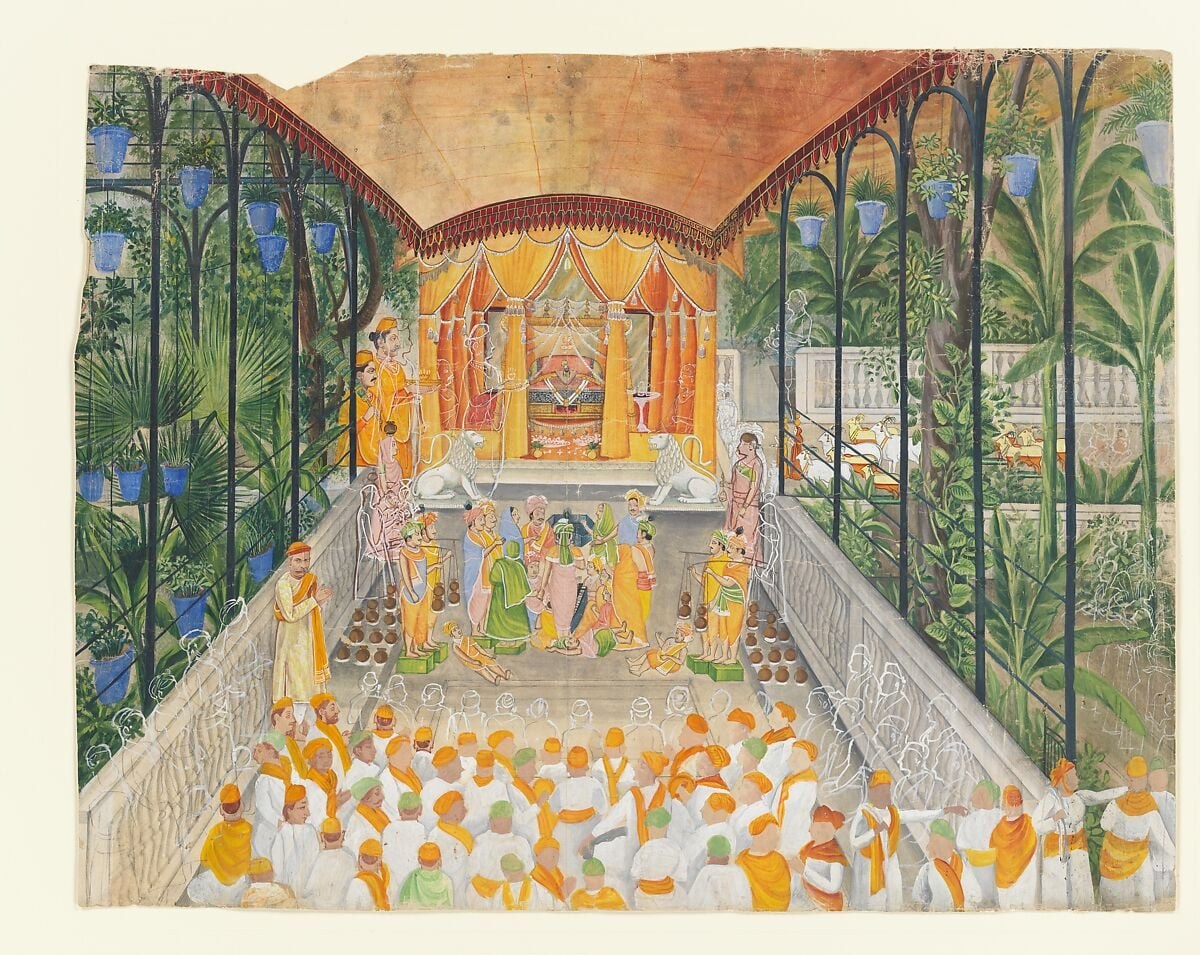
This is 'Untitled,' a hanging scroll created in 1639 and attributed to an artist working after Qian Xuan. It sold at auction in 2017 for $1.3 million, igniting a quiet firestorm among specialists. The price reflected a bet that it was a genuine Ming court painting, but the catalog label tells a different, safer story, 'After Qian Xuan,' meaning a copyist working in the master's style, perhaps a century later.
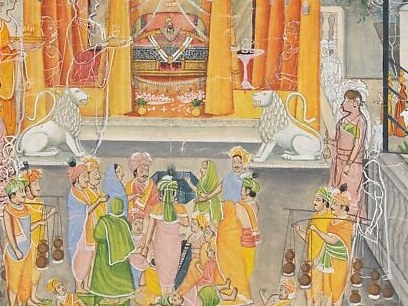
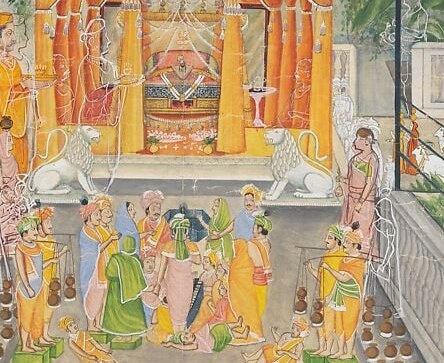
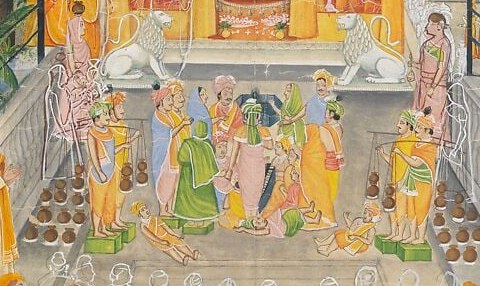
The painting itself is a jewel of detail. Look at the central pavilion and its elaborate lattice railings, which separate the intimate inner world of the women from the garden beyond. The densely patterned robes on the seated figures are not just decoration; in Ming convention, specific brocade designs encoded rank and identity. Even the aged silk ground, visible across the surface, is a piece of evidence, experts use its granular texture and patina to argue about a scroll's true age.
Qian Xuan was a 13th-century loyalist who refused to serve the Mongol Yuan dynasty, retreating into painting as an act of quiet defiance. His genuine works are exceedingly rare and deeply prized. A 17th-century follower, working in his manner, could make a painting that looks centuries older, intentionally reviving an antique style. This practice wasn't forgery; it was reverence. But centuries later, in a saleroom, the distinction between homage and original becomes a seven-figure question.
The anonymous buyer clearly believed they had something more than a faithful copy. The silk, the pigments, the brushwork, the painting itself is authentic to its time. The only open question is whose hand held the brush. And for that uncertainty, someone paid a substantial premium.
Details

Transcript
In 2017, an anonymous bidder paid $1.3 million for this. The auction house called it a genuine Ming dynasty court painting. But scholars argued: is it really by Qian Xuan, or just his style? The label says 'After Qian Xuan', a copyist working a century later. The price tells a different story. A simple provenance gap can swing a value by hundreds of thousands.