The Calling of Saint Matthew by Battistello Caracciolo
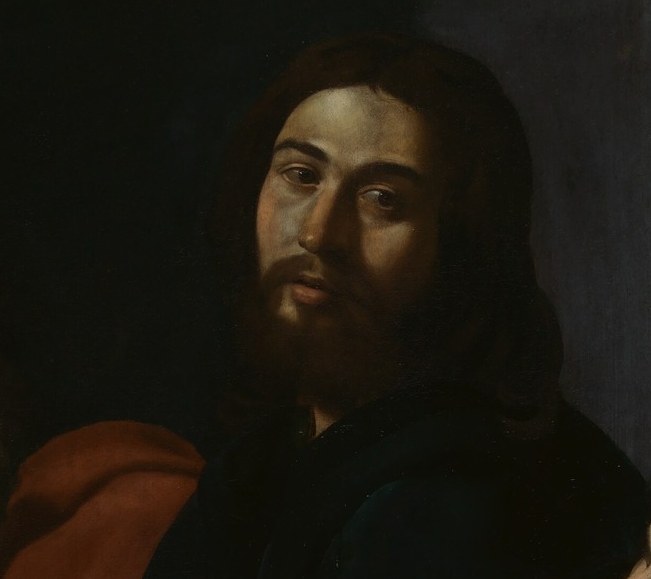
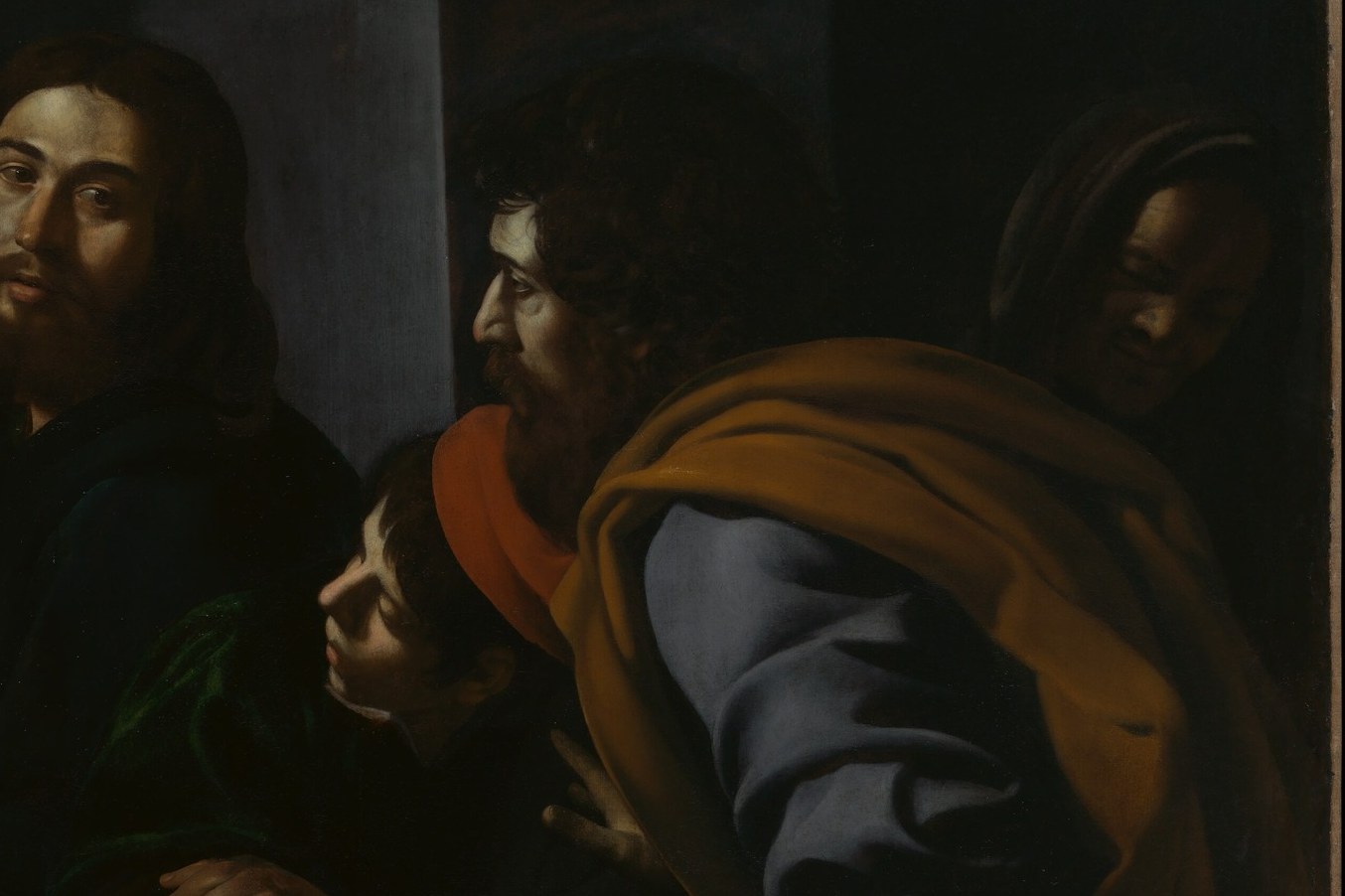
Battistello Caracciolo's *The Calling of Saint Matthew*, painted in oil in 1627, is a dramatic example of early Italian Baroque art, housed at The Metropolitan Museum of Art. It vividly depicts the moment Christ calls Matthew, a tax collector, to become his disciple.
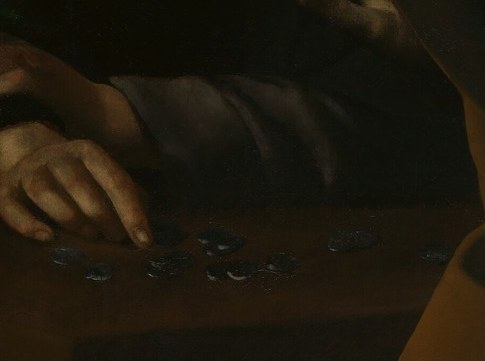
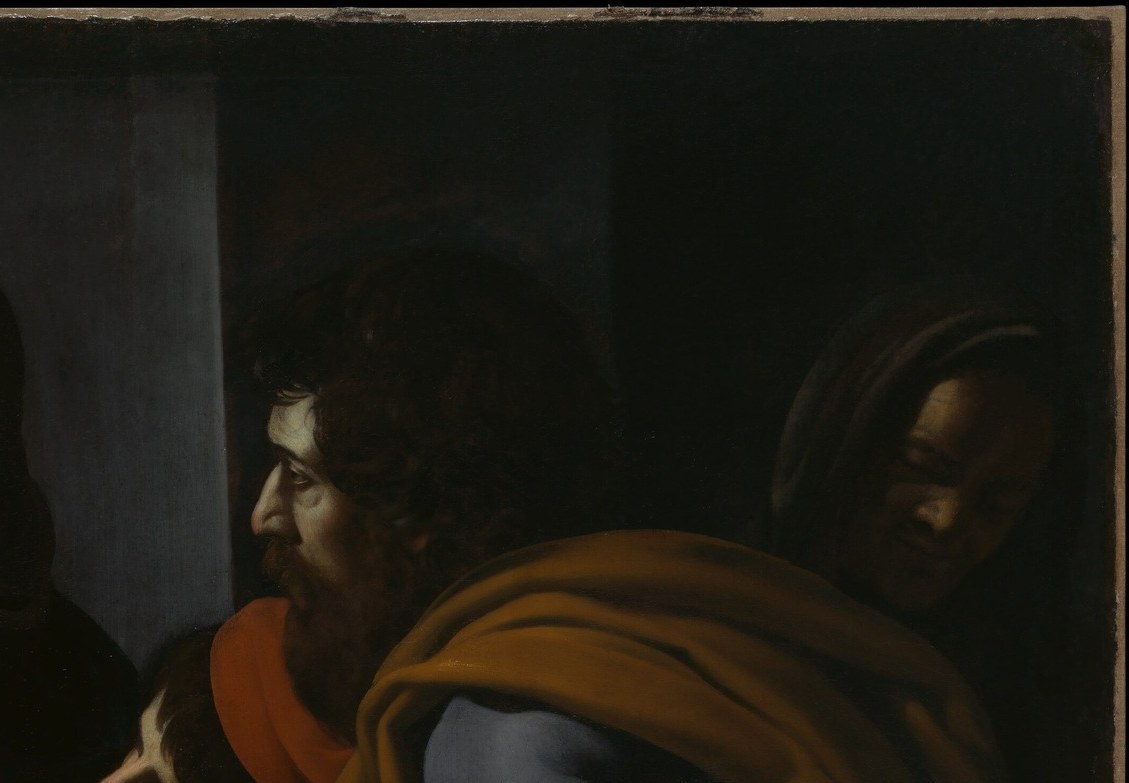
Notice Matthew's startled expression, his hand still hovering over the coins, perfectly capturing the shock of this divine summons. The strong contrasts of light and shadow, known as chiaroscuro, heighten the drama and draw your eye to the figures.
Caracciolo was a prominent Neapolitan follower of Caravaggio, whose revolutionary style significantly impacted Italian art. This work reflects his masterful use of light and dark to create a powerful, theatrical narrative.
The painting invites us to consider moments of unexpected change and the impact of a single calling. What details draw your eye?
Details
Transcript
This 1627 painting captures a powerful biblical moment. Jesus points to Matthew, a tax collector, to follow him. Matthew, surprised, looks up from counting his money. His hands are still poised over the coins on the table. The dramatic light, called chiaroscuro, creates intense focus. This style was pioneered by Caravaggio, who influenced this painter. The artist, Battistello Caracciolo, was known for his dark realism.