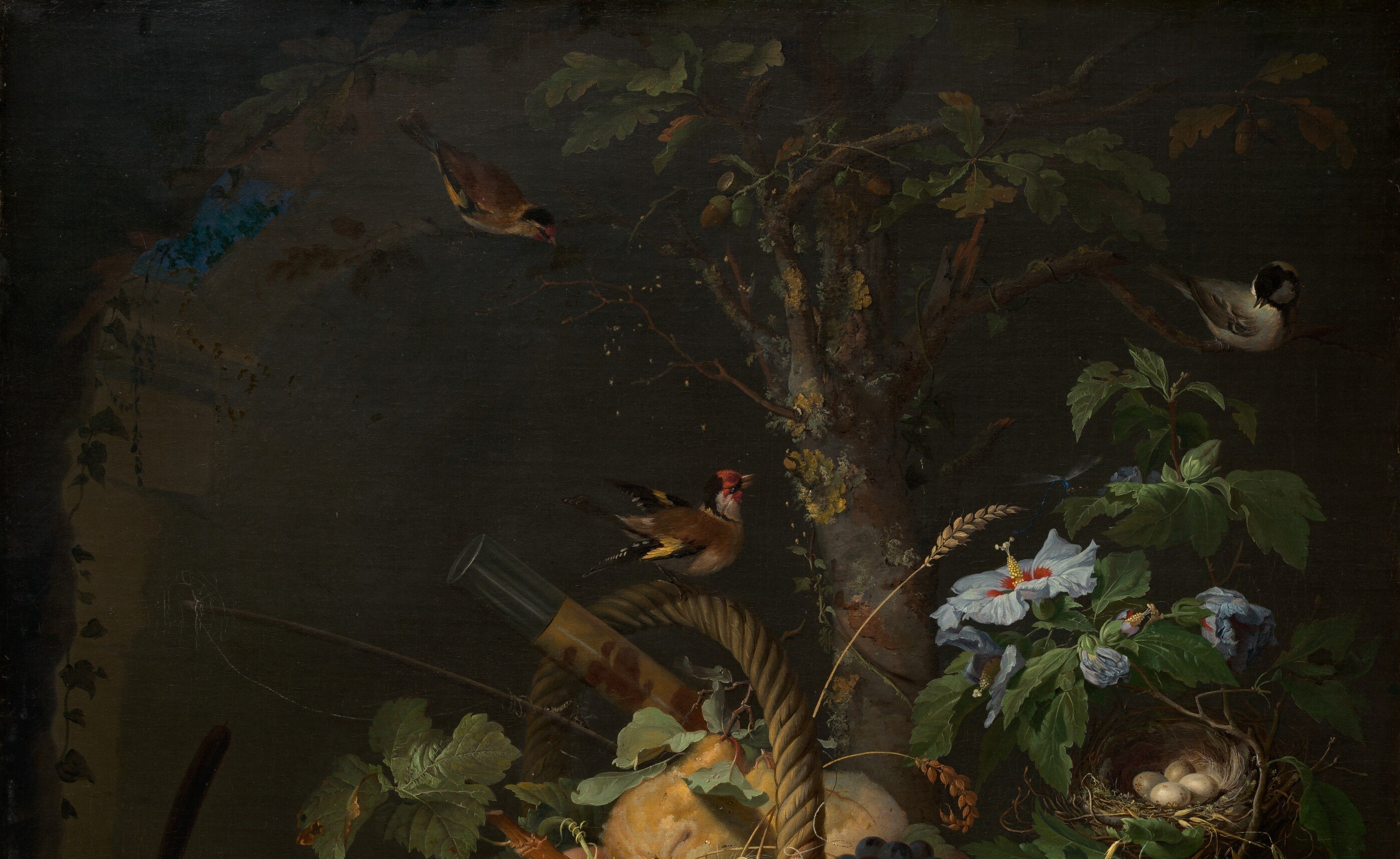
Still Life with Fruit, Fish, and a Nest by Mignon, Abraham
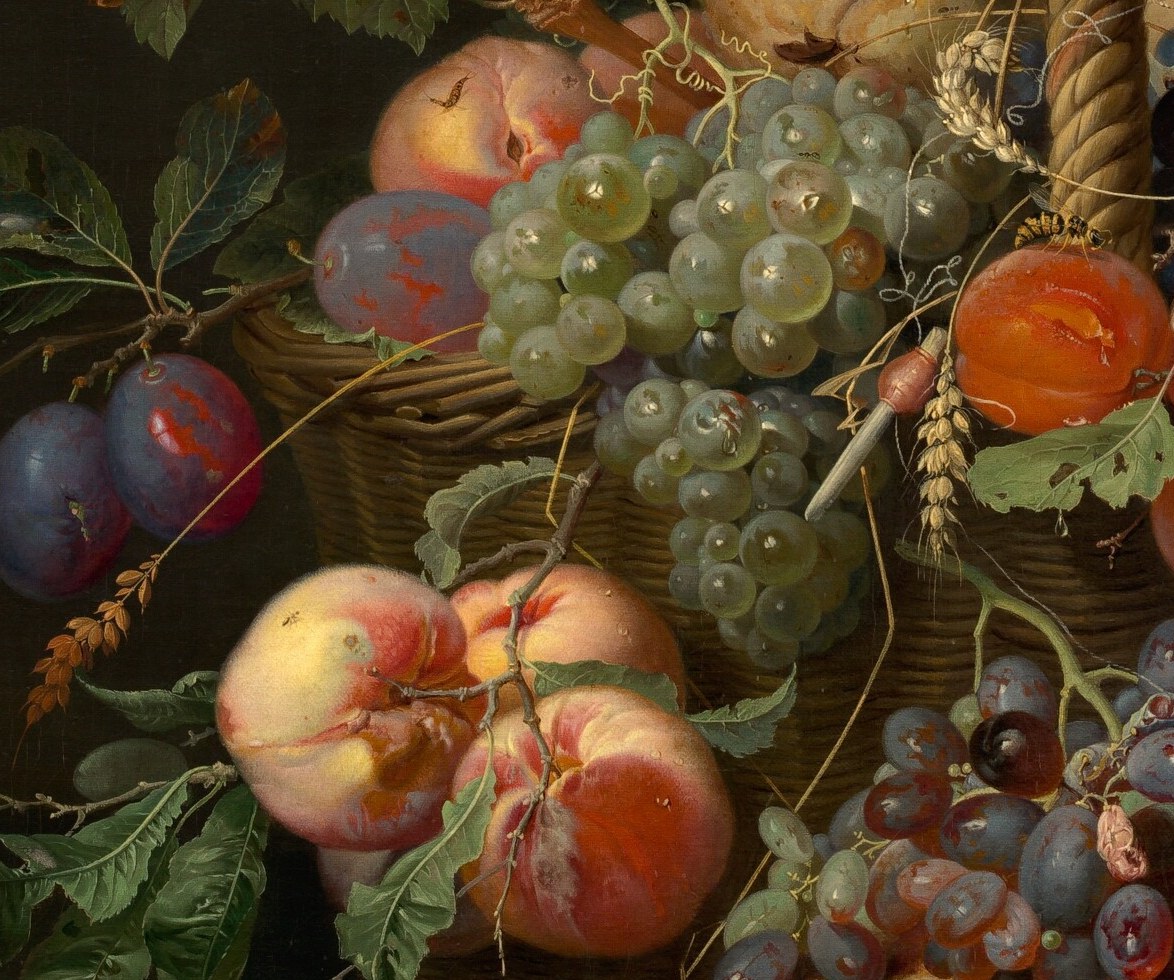
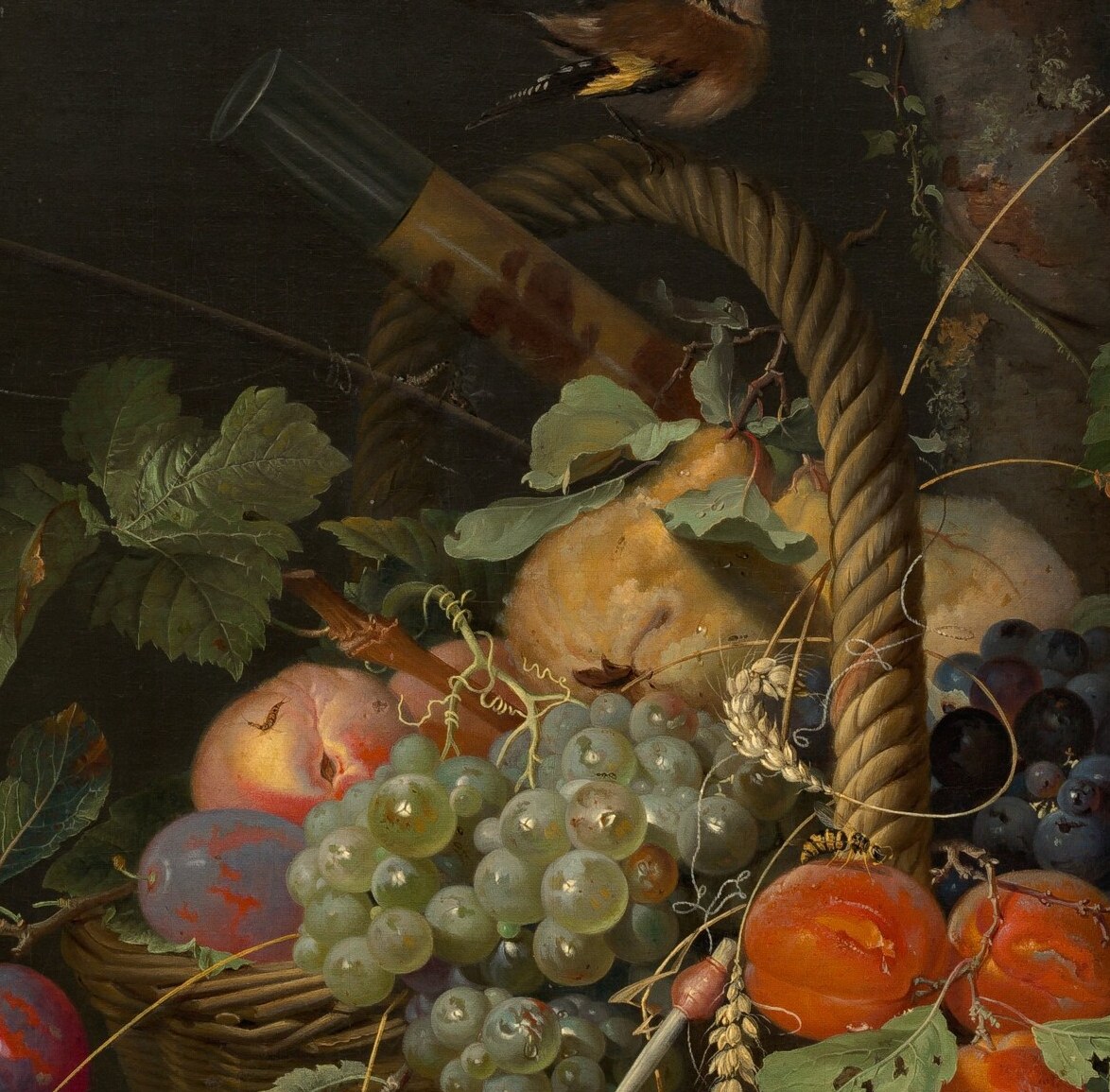
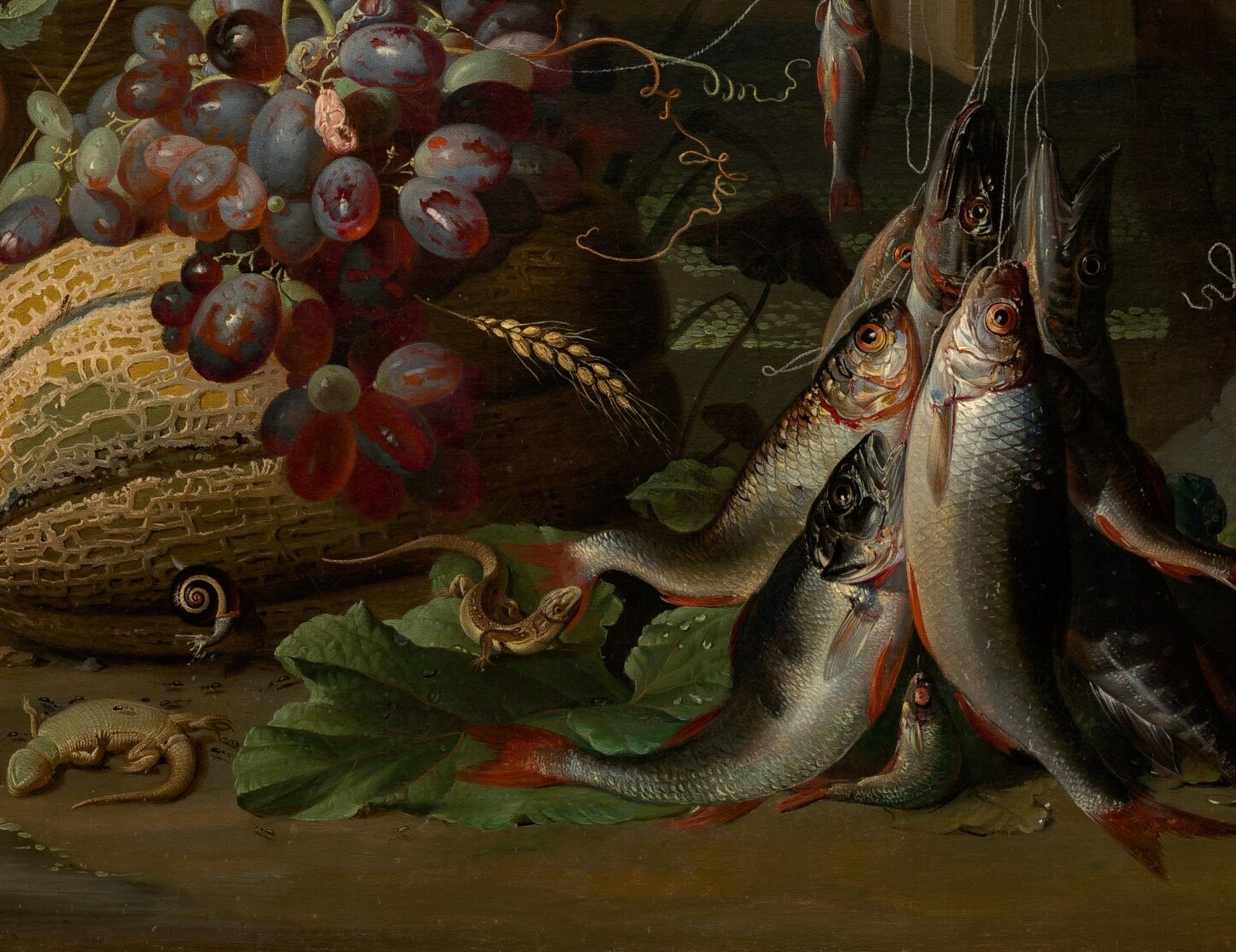
Abraham Mignon's "Still Life with Fruit, Fish, and a Nest," painted around 1675, is a masterclass in hidden details. Mignon, a Dutch Golden Age painter, was renowned for embedding tiny surprises within his lush compositions, rewarding viewers who looked closer.
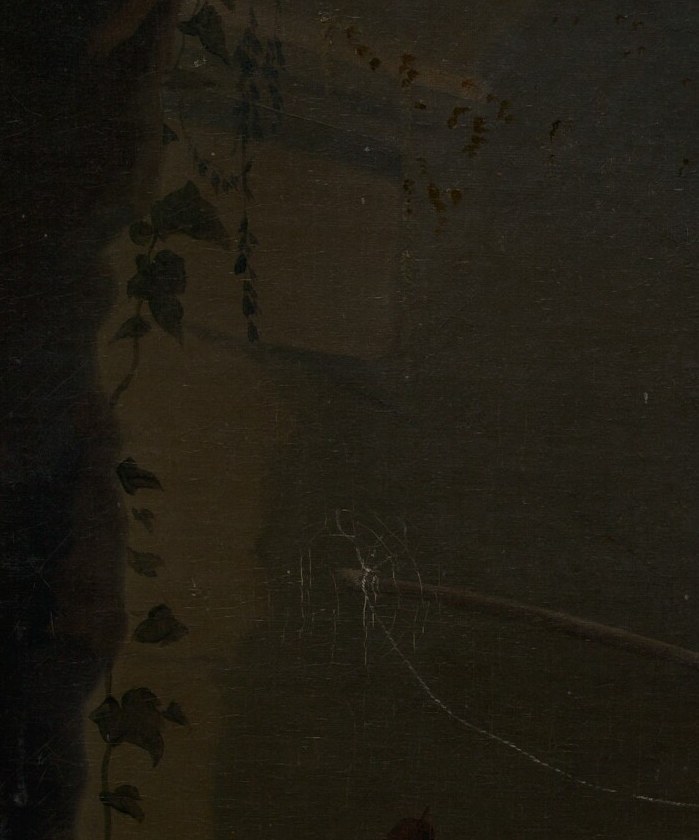
Take a moment to truly explore the painting. Beyond the vibrant fruits and the unusual inclusion of fish, notice the dense, dark foliage in the background. Mignon often used these areas to conceal small insects or other creatures, inviting a more intimate engagement with the work.
This painting is a wonderful example of Mignon's meticulous technique and his fascination with the natural world. His works were highly sought after across Europe, a testament to his skill in creating not just beautiful, but also intellectually engaging, still lifes.
What other hidden details can you spot?
Details
Transcript
This 17th-century Dutch still life is full of abundance. Look at the peaches, the plums, the grapes. The artist, Abraham Mignon, loved hidden details. He tucked tiny creatures into the shadows. Look closely in the upper left, among the leaves. A small butterfly waits for you to find it.