Mary Kellogg by James Whitehorne
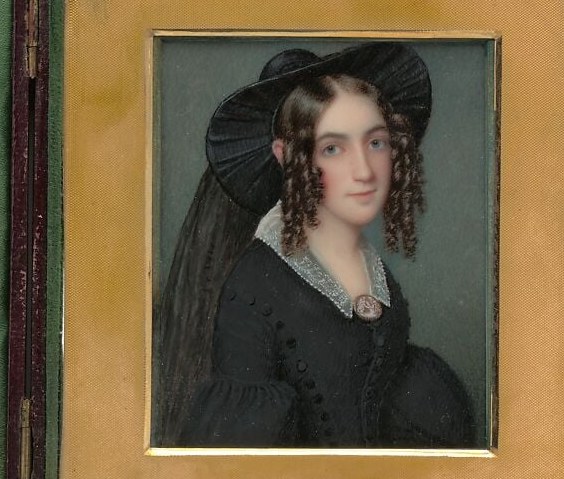
This watercolor on ivory, "Mary Kellogg," by James Whitehorne (ca. 1838) at The American Wing, is a prime example of a miniature portrait, a popular art form before photography.
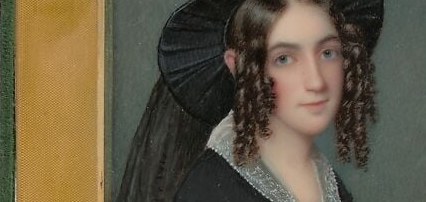
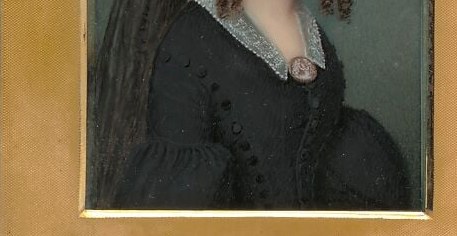
Notice the delicate rendering of her face and the intricate lace collar. The artist used a thin slice of ivory as a support, allowing light to pass through the watercolor layers, creating a luminous effect on the skin tones.
In the 19th century, these small, personal portraits were treasured as keepsakes, carried as mementos, or even incorporated into jewelry. They offered a way to keep visual representations of loved ones close, a practice that photography would soon transform.
What do you imagine it meant to its original owner?
Details
Transcript
Before photography, portraits were keepsakes, even jewelry. This miniature is painted on a thin slice of ivory. The ivory's translucence allowed light to pass through the paint. This gave skin tones a lifelike luminosity. Look at the delicate lace collar. Such intimate works kept loved ones close at hand.