Saint Augustine between Christ and the Virgin by Bartolomé Esteban Murillo
Bartolomé Esteban Murillo's *Saint Augustine between Christ and the Virgin* (1664) is a beautiful example of Spanish Baroque painting, found at the Museo del Prado.
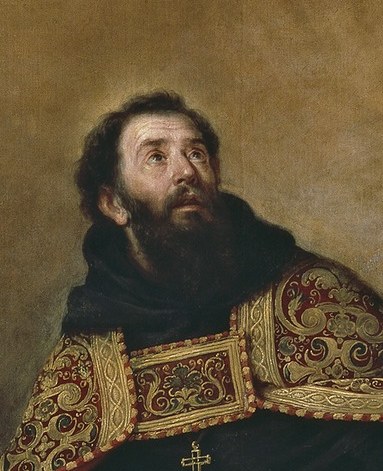
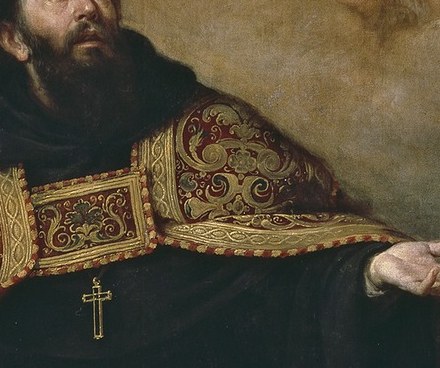
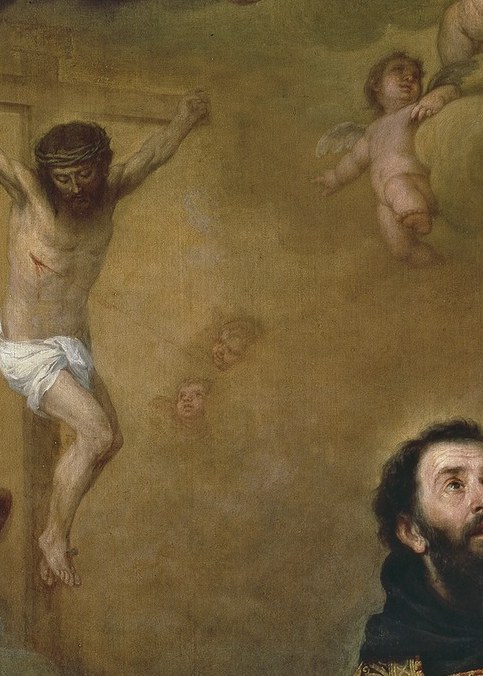
This painting invites viewers into a moment of profound spiritual contemplation. Focus on Saint Augustine's expression and his open hands, positioned between Christ and the Virgin Mary, symbolizing his deep theological engagement.
Murillo was a master of tenebrism, using dramatic contrasts of light and shadow to heighten the emotional and spiritual intensity of his religious scenes. This work was created to inspire devotion, reflecting the Counter-Reformation's emphasis on emotionally resonant imagery. It entered the national collection in the 19th century.
What details in the interplay of light and shadow draw your eye the most?
Details
Transcript
This Spanish painter focused on scenes of piety and devotion. Here, Saint Augustine contemplates Christ and the Virgin Mary. His open hands are a gesture of offering and receiving divine grace. Notice the rich, dramatic shadows, a style called tenebrism. Murillo used light and dark to create spiritual intensity. It was meant to inspire devotion in its viewers.