Lady at the Tea Table by Mary Cassatt
View the artwork: Lady at the Tea Table →
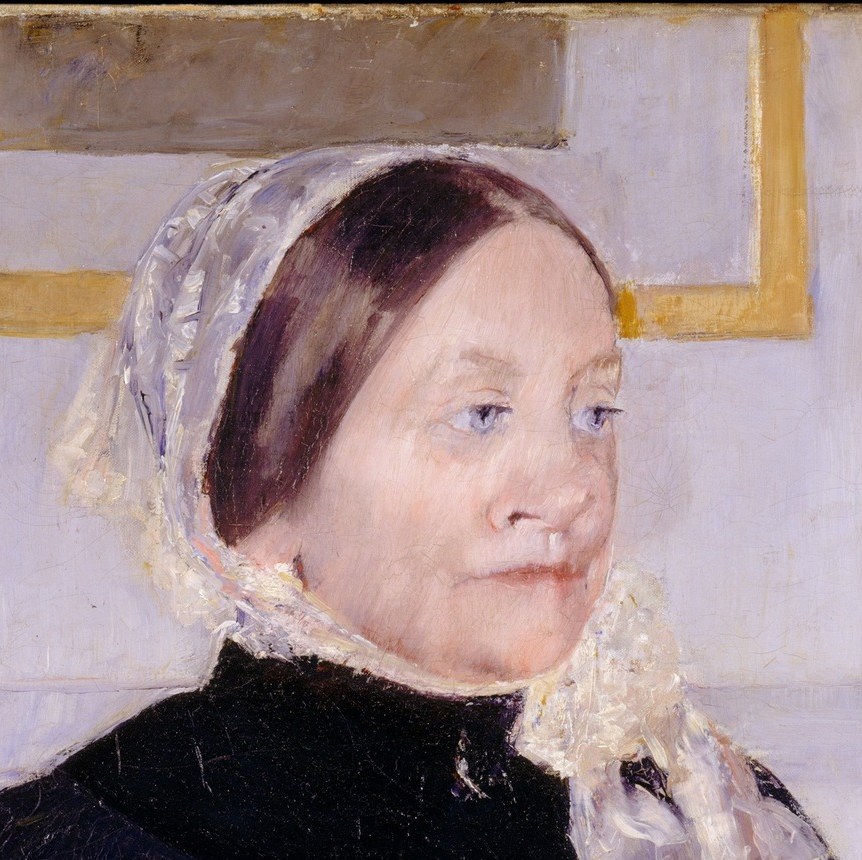
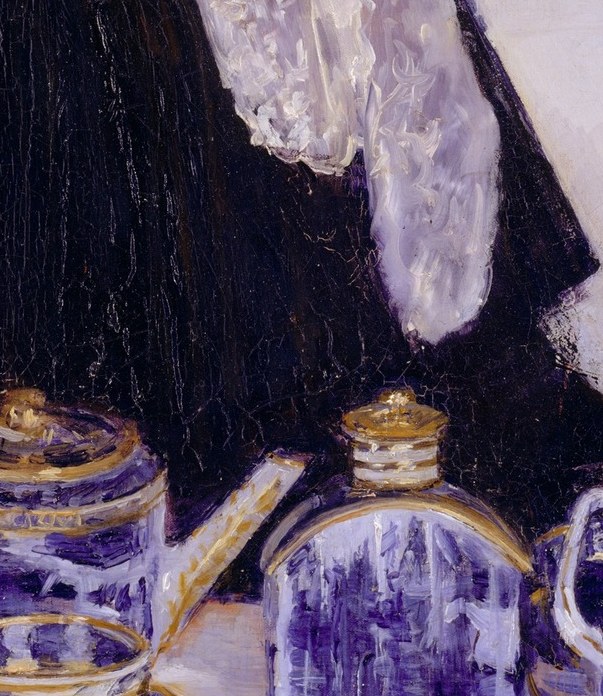
Mary Cassatt's 'Lady at the Tea Table' (1884) lives at the Metropolitan Museum of Art, but its real story sits right on the tablecloth. The cobalt-blue and gold china is not a generic prop. It is a specific Haviland Limoges service that belonged to her close friend and patron, Louisine Havemeyer.
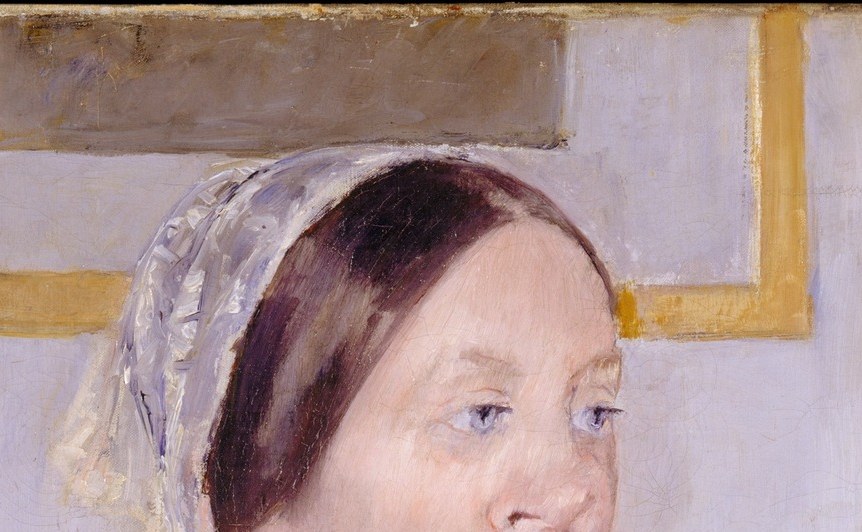
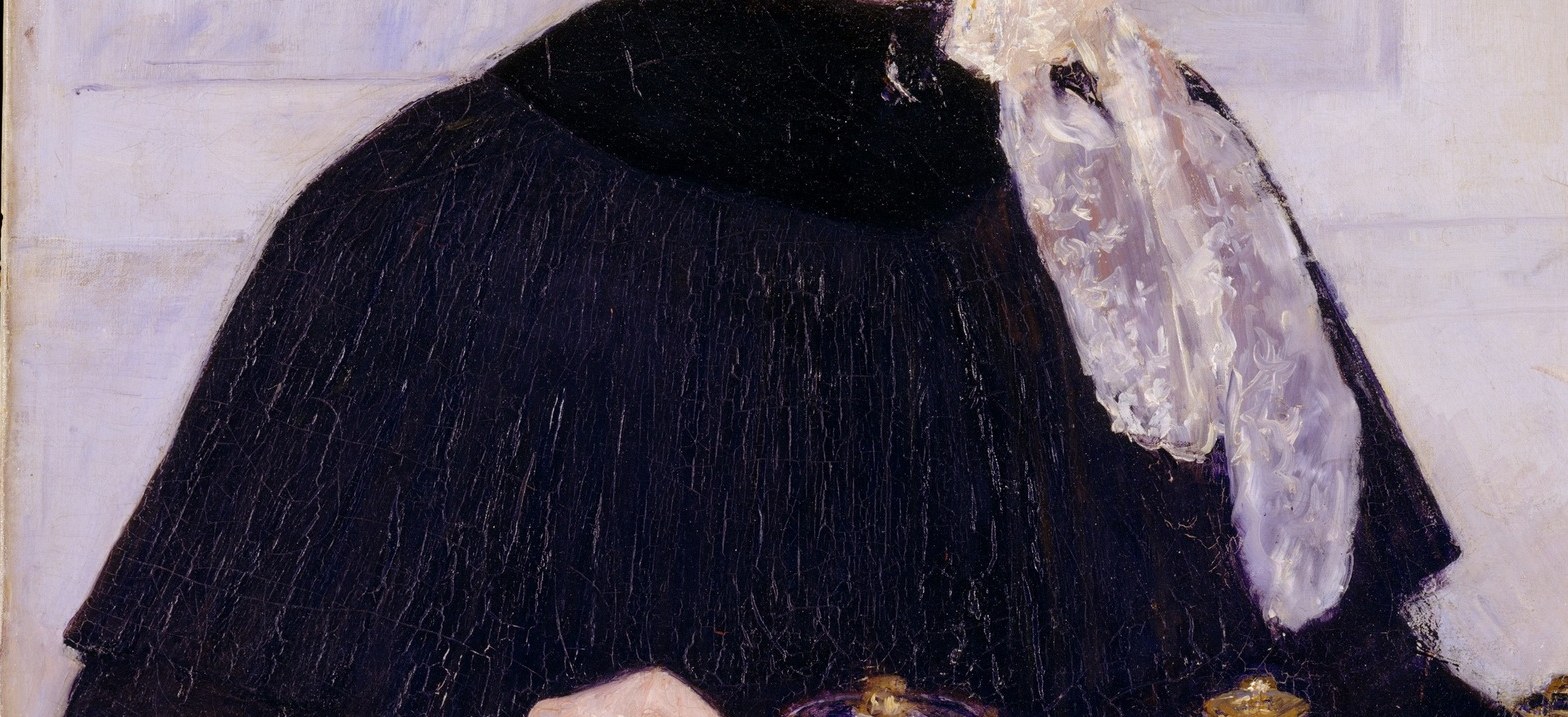
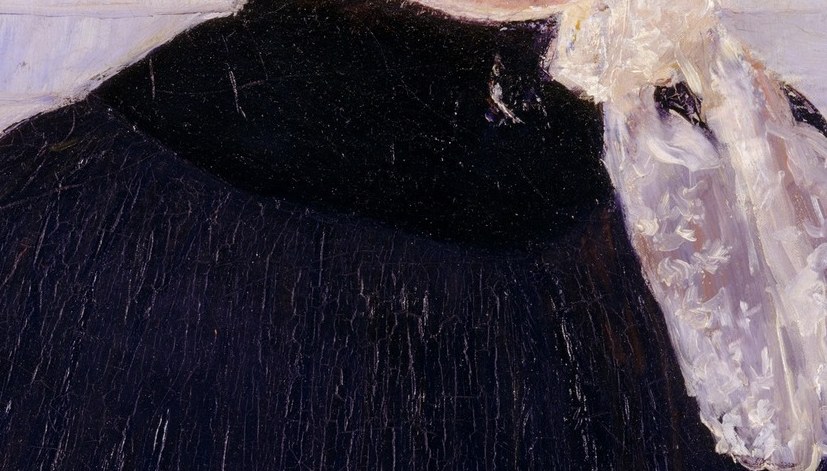
Look at the teapot. Cassatt renders it with thick, impasto brushstrokes, making the gold gleam against the dark dress. The woman is likely Mary Dickinson Riddle, Louisine's cousin, but the painting is less a portrait of her face than of a domestic ritual. Notice the ring on her left hand, the active grip on the teapot with her right, and how the table is cropped tight like a Degas snapshot.
Louisine Havemeyer, with Cassatt's direct advice, assembled the foundational collection of Impressionist and Old Master works that eventually transformed the Met. Cassatt acted as a talent scout, steering the Havemeyers toward Manet, Degas, and Courbet when American institutions ignored them. This painting was a personal thank you, commissioned by the family to document the heirloom service and the bond that reshaped American museums.
A vast fortune in art started not in a boardroom, but over this exact teapot, watched over by a painter who knew that quiet domestic moments hold the quietest power.
#arthistory #marycassatt #impressionism
Details
Transcript
A quiet afternoon. A woman pours tea. The china set is Haviland Limoges, a specific family heirloom. It belonged to Mary Cassatt's friend and patron, Louisine Havemeyer. Havemeyer built the very first great collection of Impressionist art in America. Cassatt advised her on nearly every purchase, a quiet force shaping American taste. She placed this personal gift right in the center of the picture, an act of private gratitude. A fortune in art began with a friendship, and a cup of tea.