Artwork
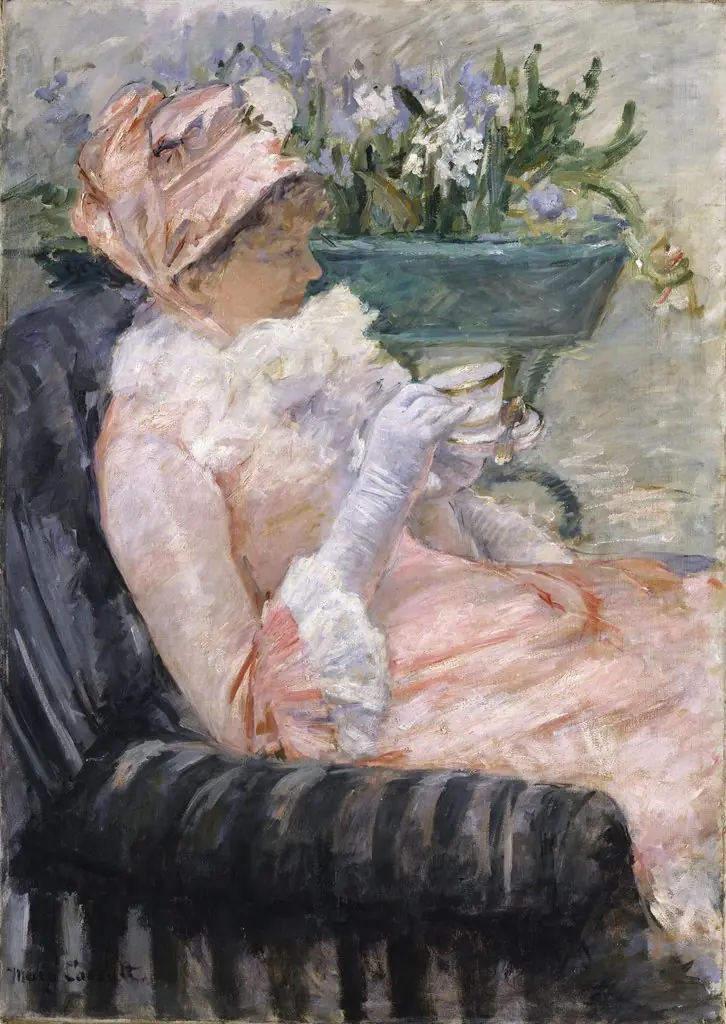
Lady at the Tea Table
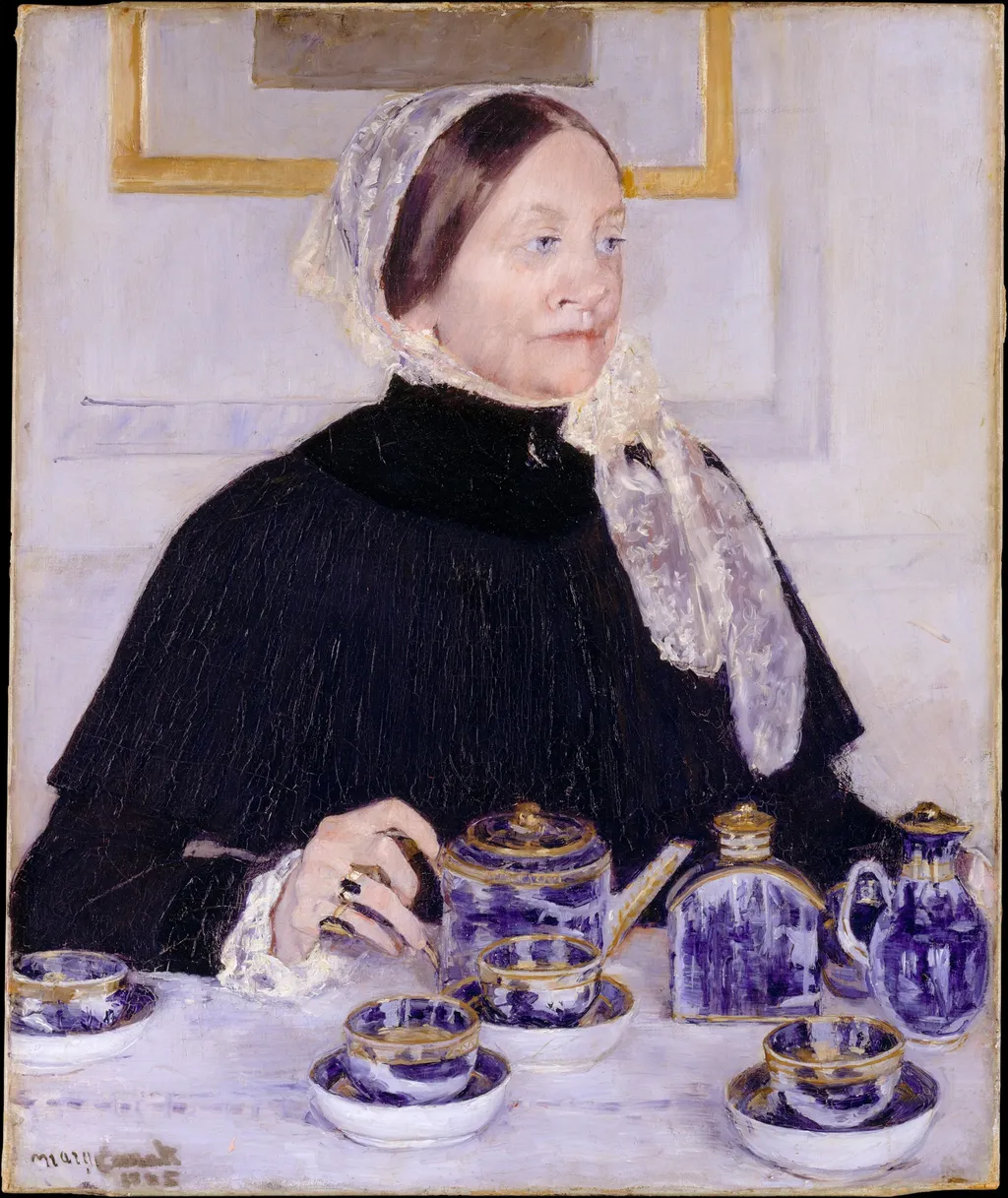
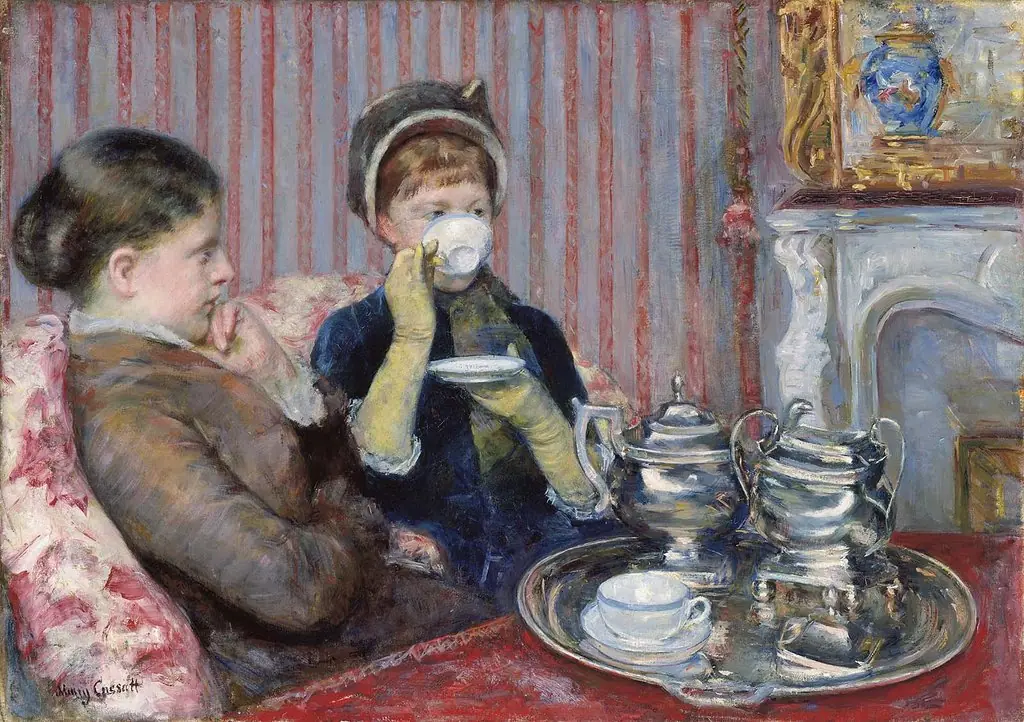
Lady at the Tea Table is an oil painting by the Impressionist artist Mary Cassatt. It dates from 1892 and is held in the collection of the Metropolitan Museum of Art.
About this work
Subject & Meaning
The painting depicts Mary Dickinson Riddle, a cousin of Cassatt's mother, seated at a table set with a gilded blue-and-white Canton porcelain tea service.
The painting depicts Mary Dickinson Riddle, a cousin of Cassatt's mother, seated at a table set with a gilded blue-and-white Canton porcelain tea service. The service, presented by Riddle's daughter to Cassatt's family, functions as a symbolic gift and underscores themes of domestic hospitality. Riddle's jewelry reflects the gold of the porcelain, while the muted blues of the background echo the porcelain and intensify the color of her eyes.
Cassatt employs a stark outline and an indifferent gaze, a composition that merges impressionist handling with orientalist motifs. Originally created as a portrait gift, the work was donated to the Metropolitan Museum of Art in 1923 after the daughter expressed discomfort with the portrayal of her mother's nose.
Technique & Style
Executed in oil on canvas in 1892, Lady at the Tea Table exhibits a restrained, linear approach to Impressionist handling. Cassatt's technique emphasizes a sharply defined silhouette of the sitter, with the contours of figure and porcelain service delineated against a muted background. The composition balances areas of flat color with delicate, sketch-like brushwork, particularly in the rendering of the gilded blue-and-white Canton porcelain and the lace at the sitter's throat.
The palette is subdued overall, punctuated by the deep blue accents of the sitter's eyes and the gleaming gold highlights on the tea set, which harmonize with the subject's jewelry. The figure's posture, one hand resting on the teapot handle, conveys a studied informality, while the background's faint blue hues recede to focus attention on the porcelain and the sitter's gaze.
History & Provenance
Mary Cassatt created Lady at the Tea Table in 1892 in oil on canvas as a reciprocal gift for the Riddle family, specifically in response to receiving a gilded blue-and-white Canton porcelain tea service from Mary Dickinson Riddle's daughter. The subject of the portrait is Riddle, the artist's mother's first cousin. Although intended as a family gift, the painting was not retained by the Riddles because Riddle's daughter felt the depiction exaggerated her mother's nose.
Consequently, Cassatt donated the artwork to the Metropolitan Museum of Art in 1923, where it remains part of the permanent collection.
Context
Lady at the Tea Table (1892) is often cited as a late Impressionist work within Cassatt's oeuvre, distinguished by its spare composition and restrained palette that align Cassatt with contemporaneous trends while asserting her individual idiom. The painting's emphasis on bold contouring and the subject's studied indifference to the viewer reflects the artist's engagement with both Impressionism and Japonisme, a dialogue visible in the interplay of metallic golds and delicate blues that unify figure and porcelain. The porcelain itself, a Qing-dynasty Canton export, anchors the work in the Old China Trade, underscoring 19th-century transpacific exchanges that shaped artistic materials and motifs.
Cassatt's donation of the painting to the Metropolitan Museum of Art in 1923, following its rejection by the sitter's family, situates the work within the artist's later career, when her focus shifted from public exhibition to private legacy.
Overview
Painted in 1892, Mary Cassatt's Lady at the Tea Table is an intimate portrait capturing a domestic moment of quiet ritual. The composition centers on a woman seated at a small table, dressed in a black gown with a white lace collar and a dark cap. She holds a teapot in one hand, poised to pour, while mismatched purple-and-gold porcelain dishes and cups occupy the foreground.
The setting is sparse, defined by a plain wall and a window frame that suggests natural light entering the room. Executed in oil, the work features thick, visible brushstrokes that lend texture to the fabrics and ceramics, a technique characteristic of Cassatt's mature style. This period marks a shift in her career where she moved away from the soft, pastel-inflected scenes of her earlier Impressionist phase toward a more structured, painterly approach influenced by her study of Old Masters and Japanese prints.
The painting reflects Cassatt's enduring focus on the private lives of women, elevating the mundane act of tea drinking into a subject of formal dignity and psychological depth.
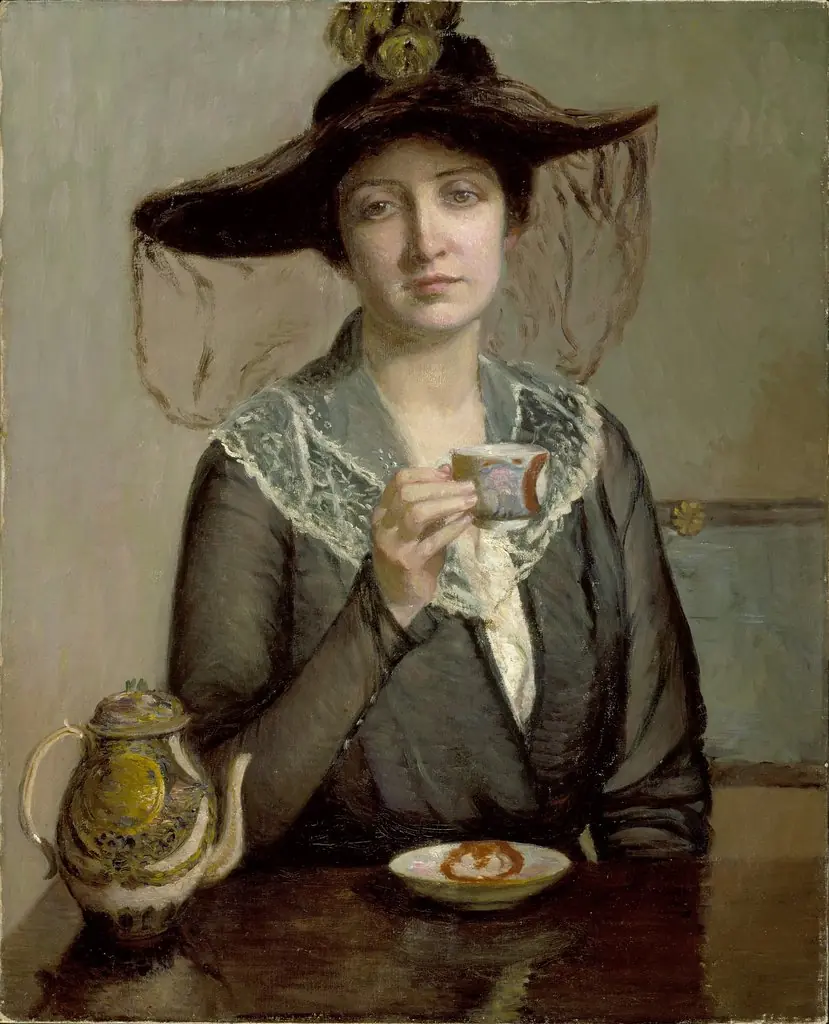
Own this work as a print
Artist & collection
Artist
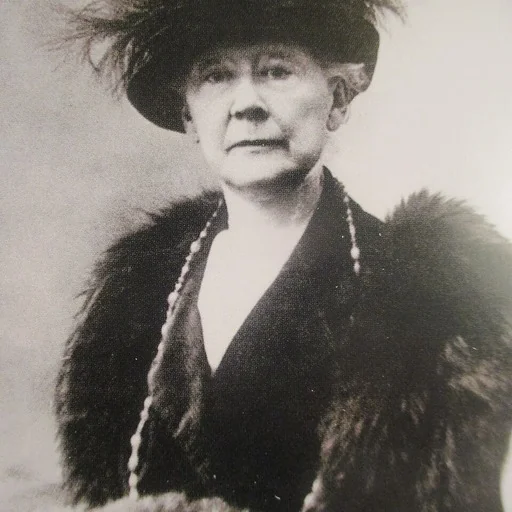
Mary Stevenson Cassatt (; May 22, 1844 – June 14, 1926) was an American painter and printmaker.

 Portrait of Mrs Geale-Wybrants
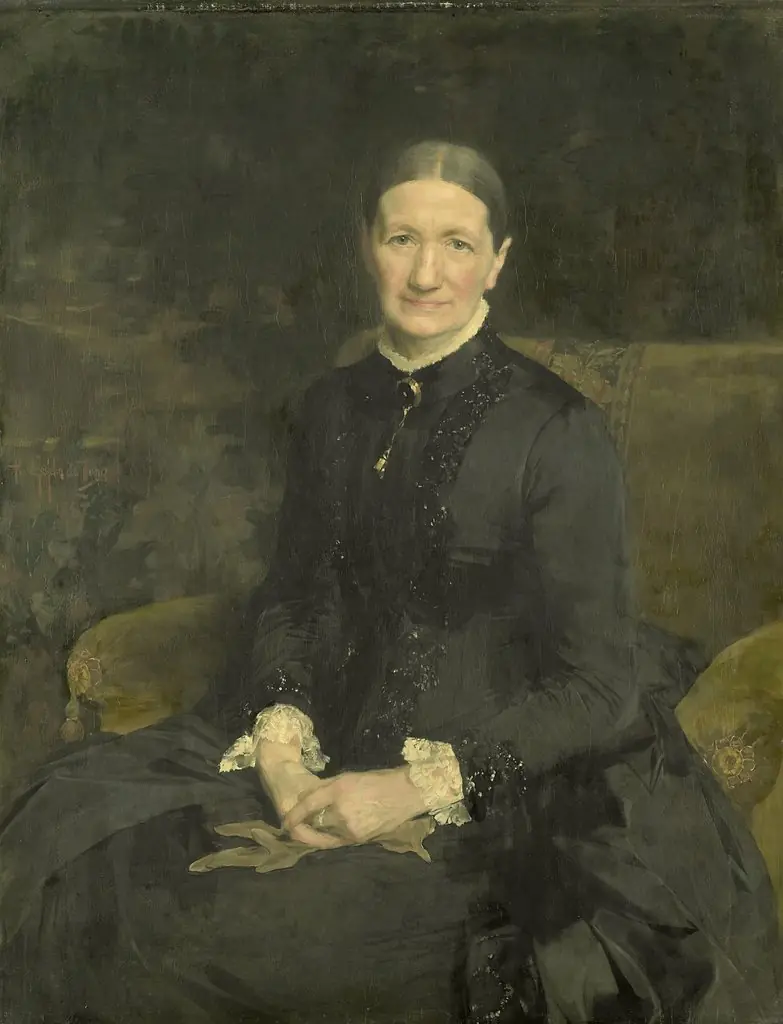 Portrait of Mrs. A J Zubli-Maschhaupt
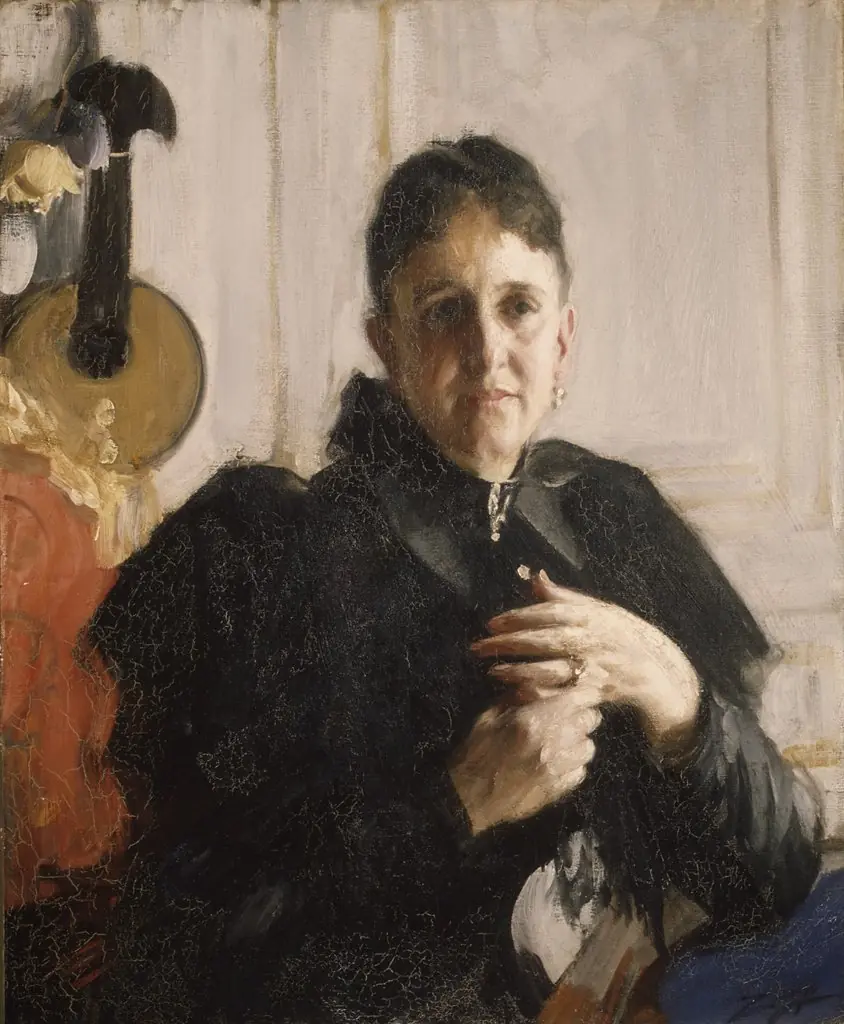 Mrs. John Crosby Brown (Mary Elizabeth Adams, 1842–1918)
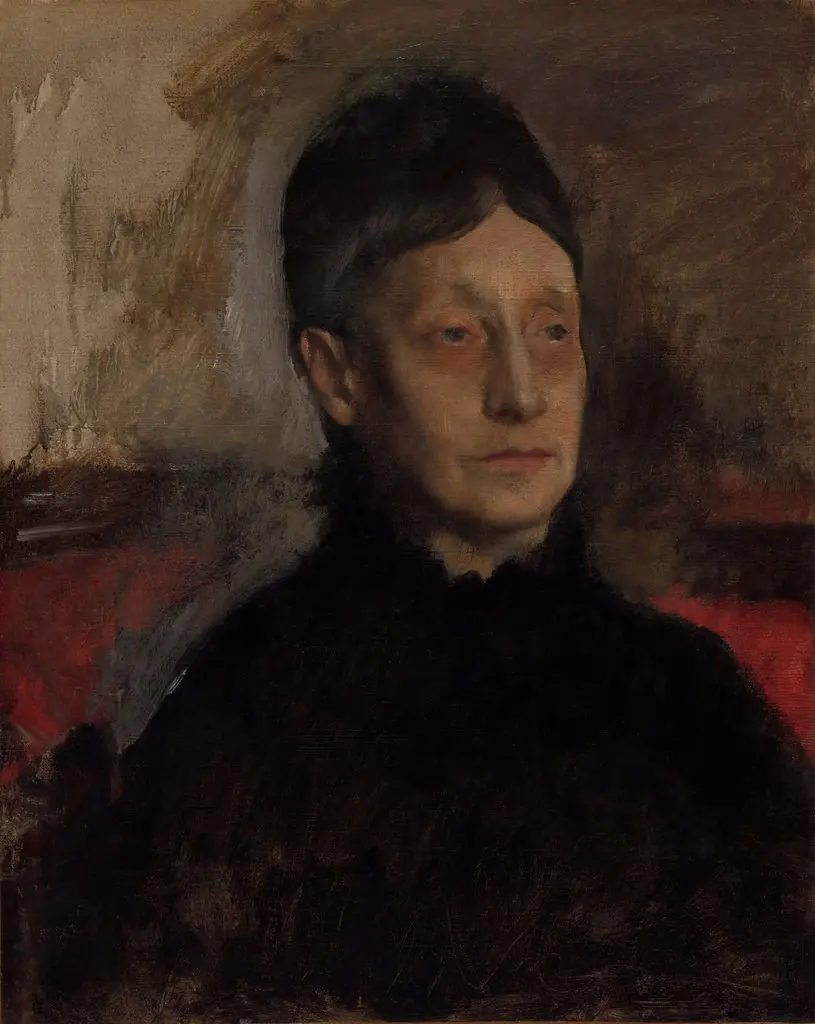 Stefanina Primicile Carafa, Marchioness of Cicerale and Duchess of Montejasi
 Mrs A.J. Zubli-Maschhaupt
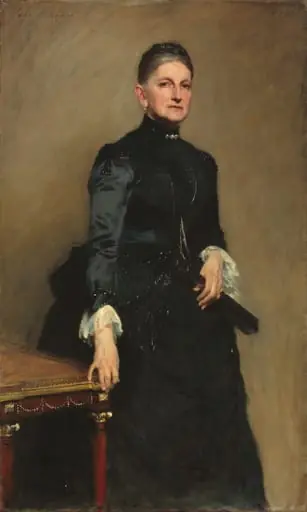 Eleanora O'Donnell Iselin (Mrs. Adrian Iselin)
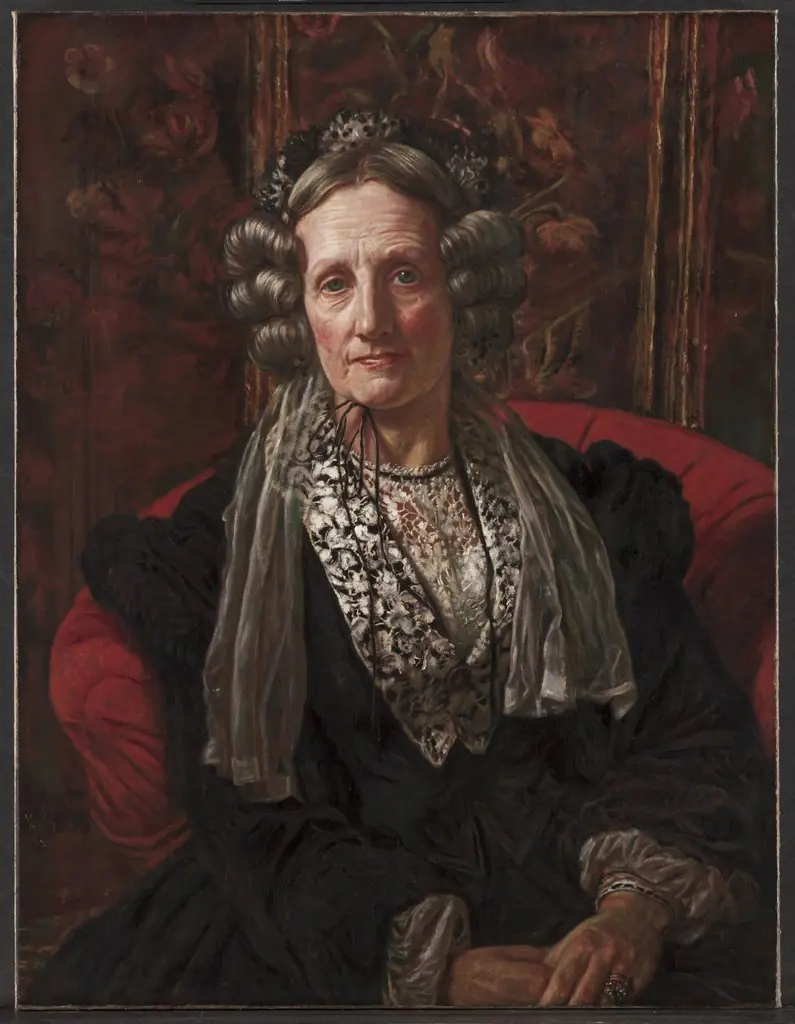 Mary Walker Waugh
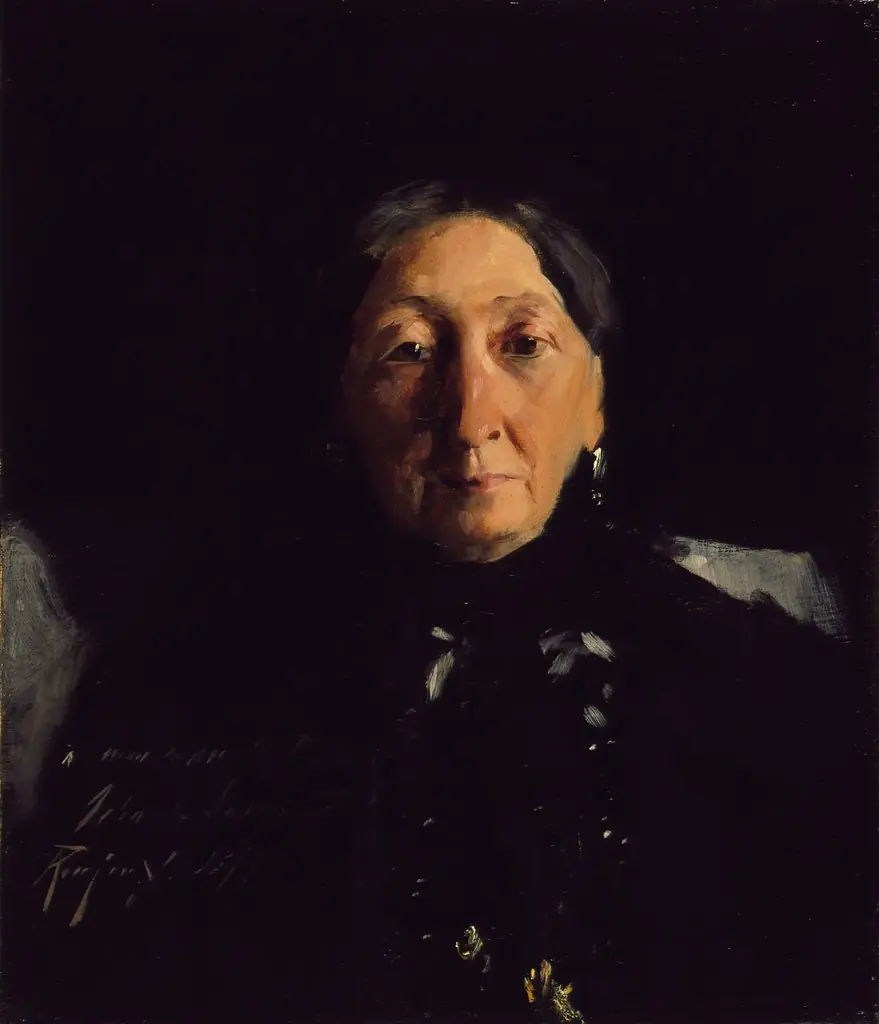 Mme. François Buloz (Christine Blaze)
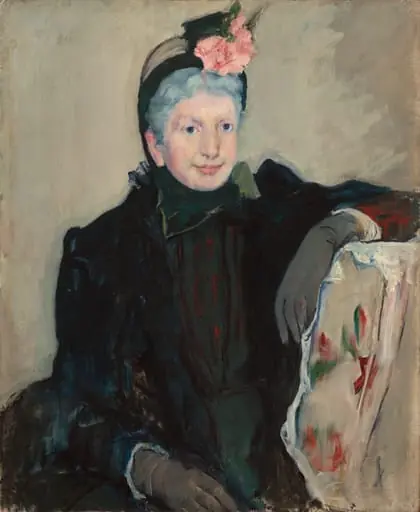 Portrait of a Lady
 Portrait of Miss Deuringer