The Madonna of the Carnation by Luini, Bernardino
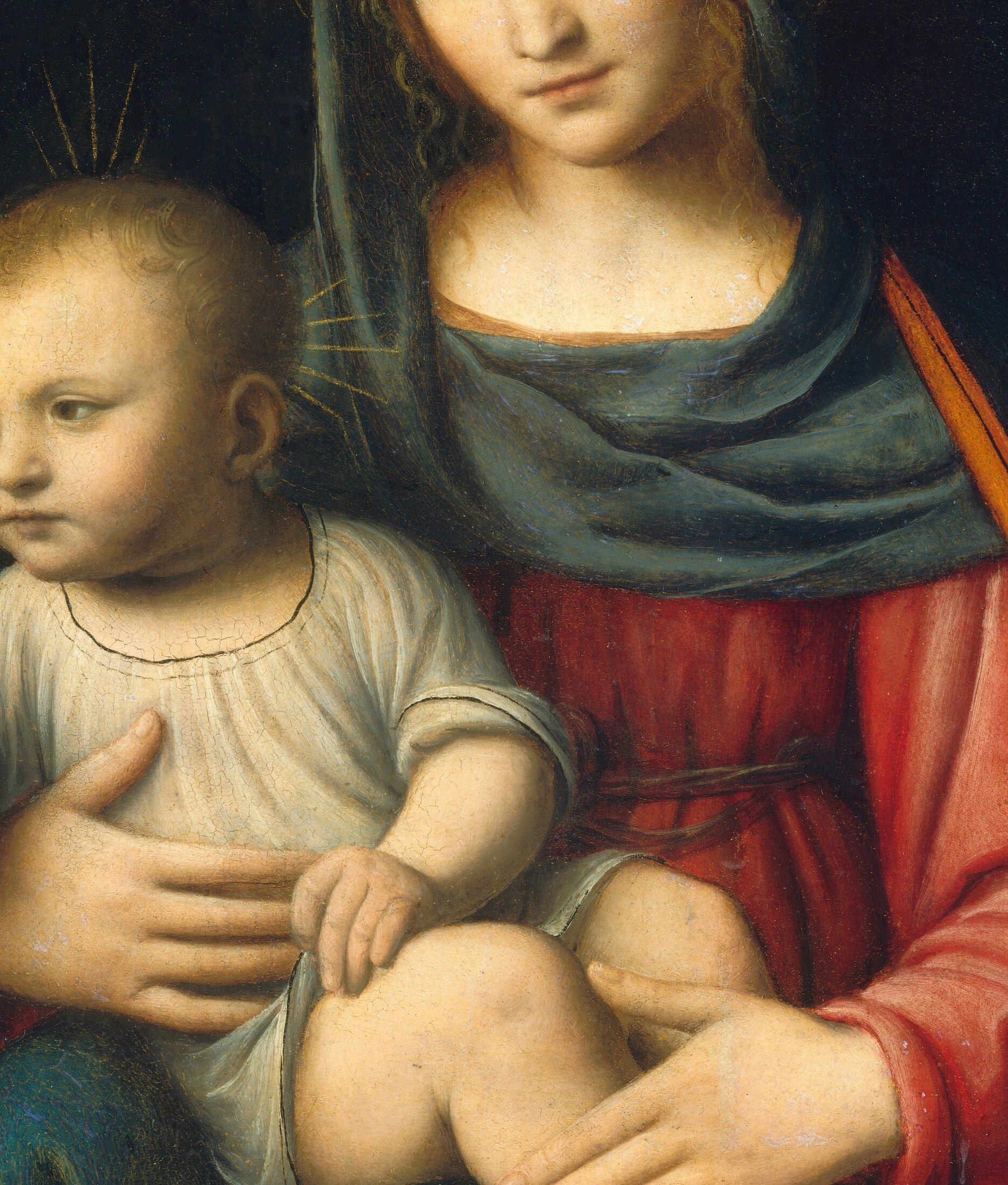
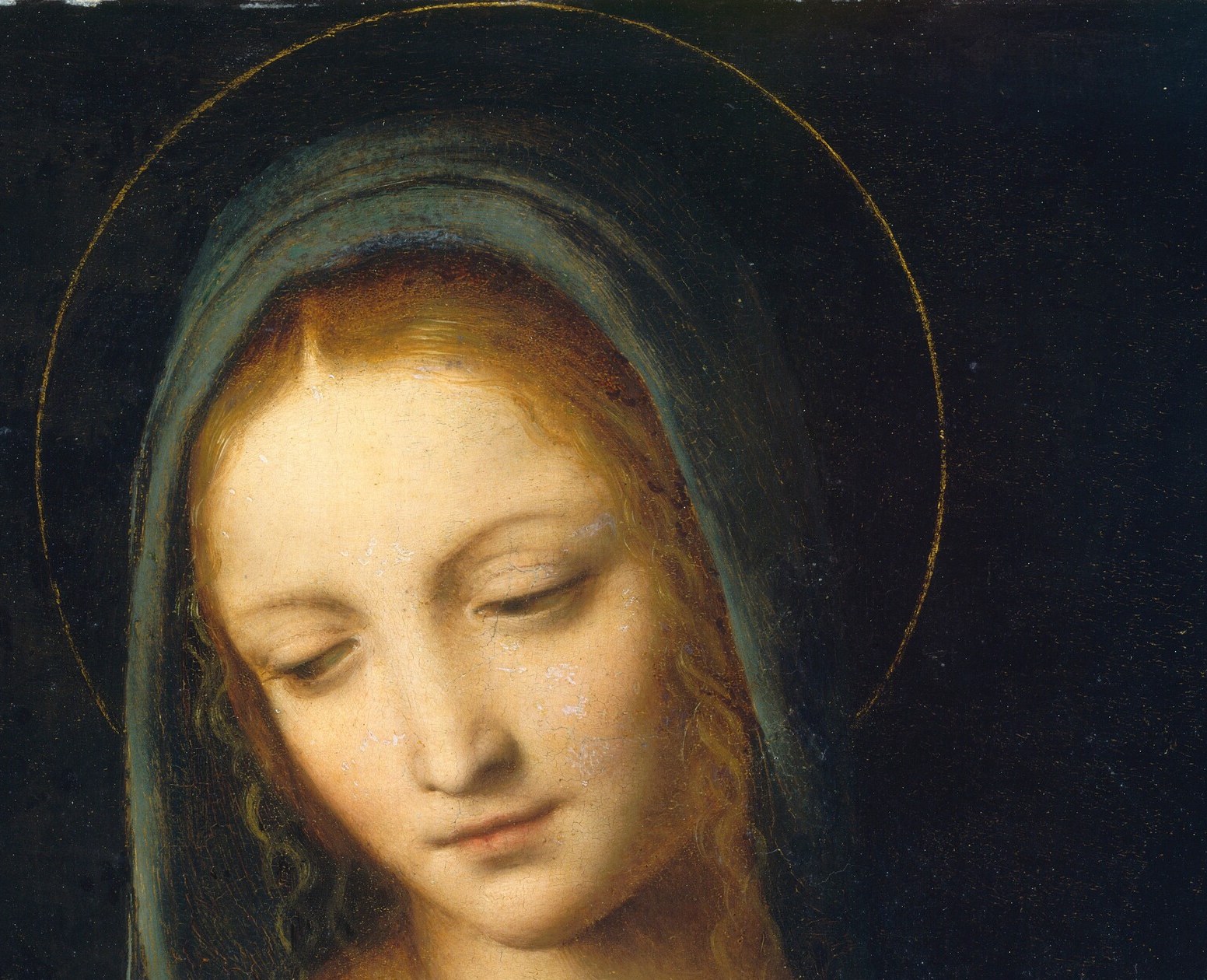
Bernardino Luini's "The Madonna of the Carnation," painted around 1515, is an oil on panel located at a major museum. This seemingly straightforward devotional image carries layers of symbolic meaning carefully woven into its composition.
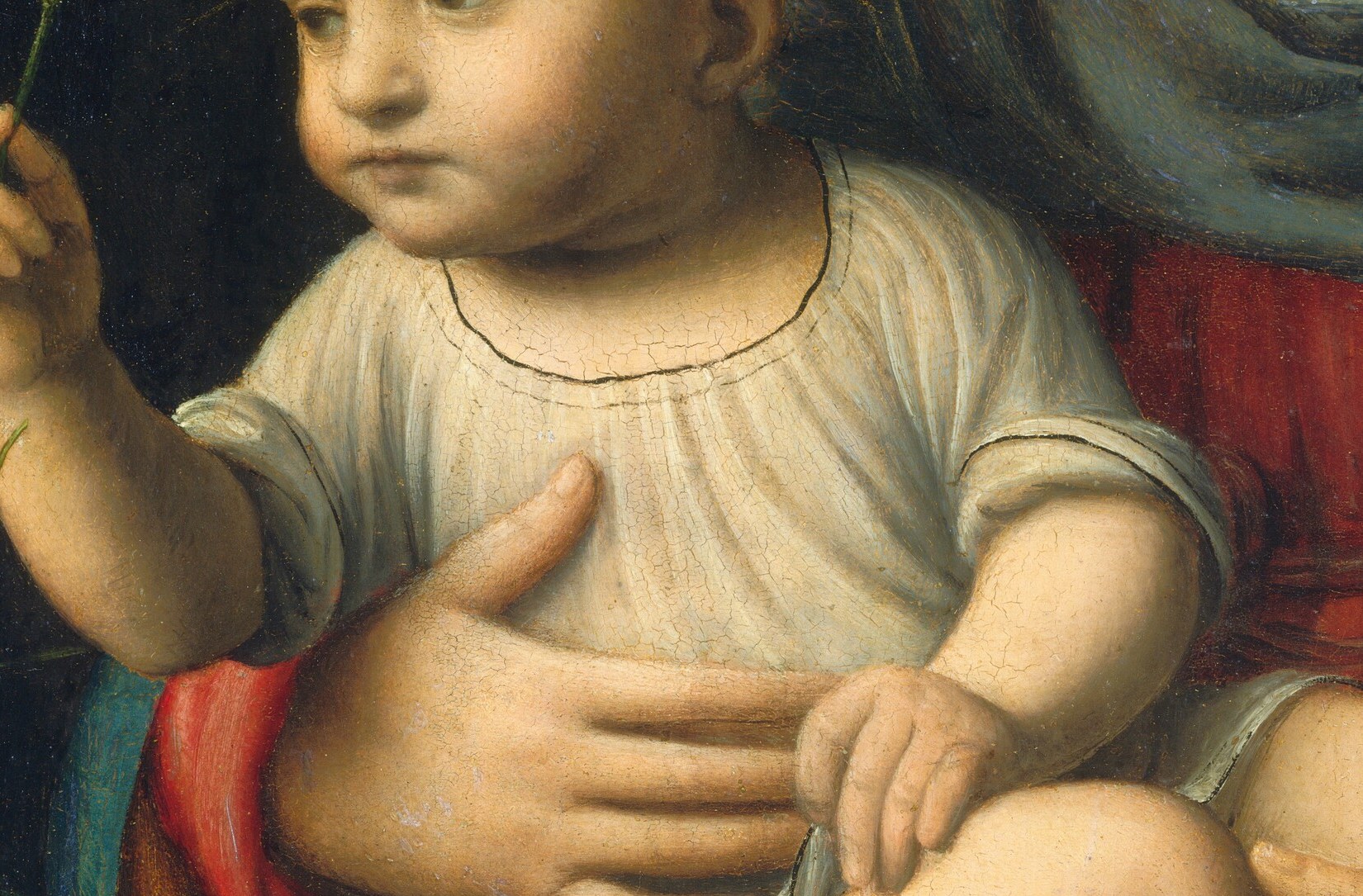
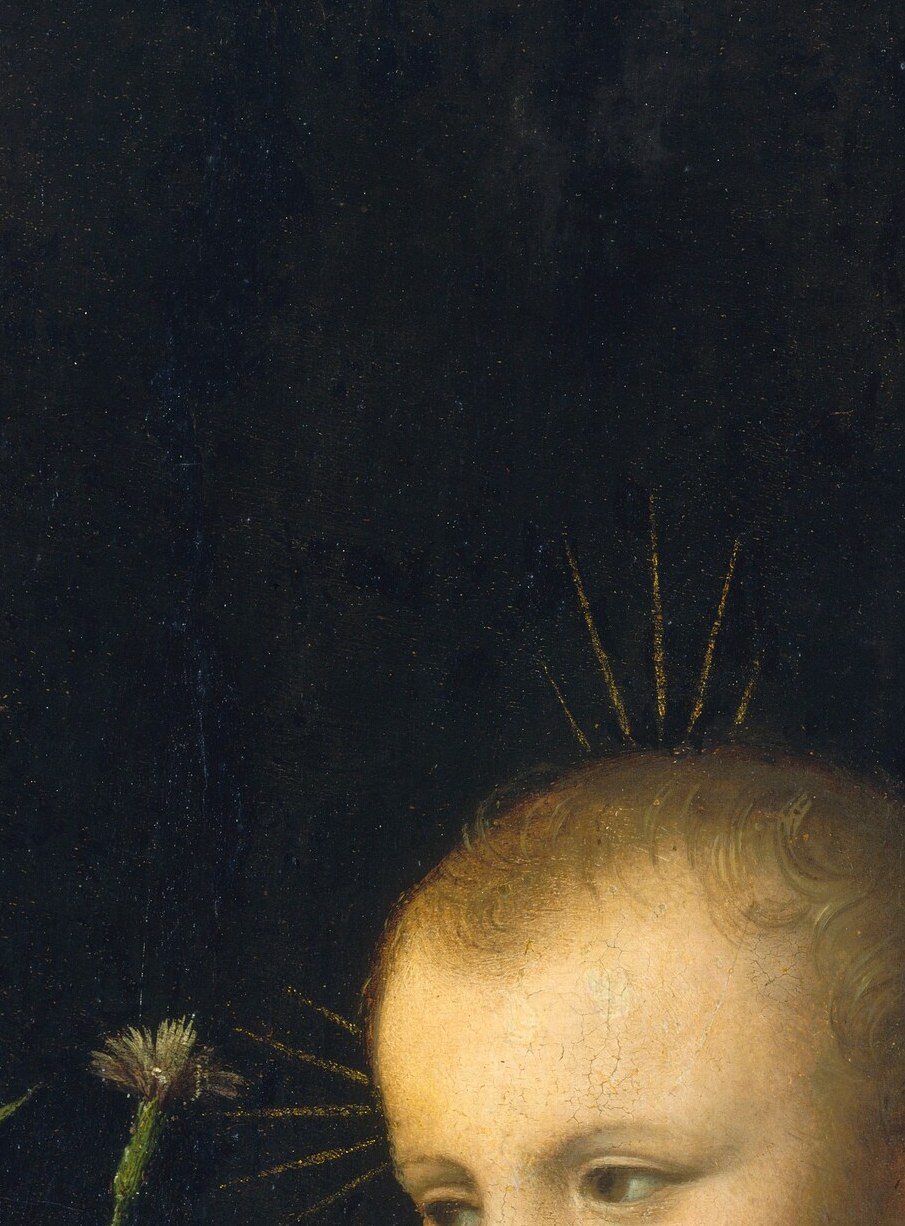
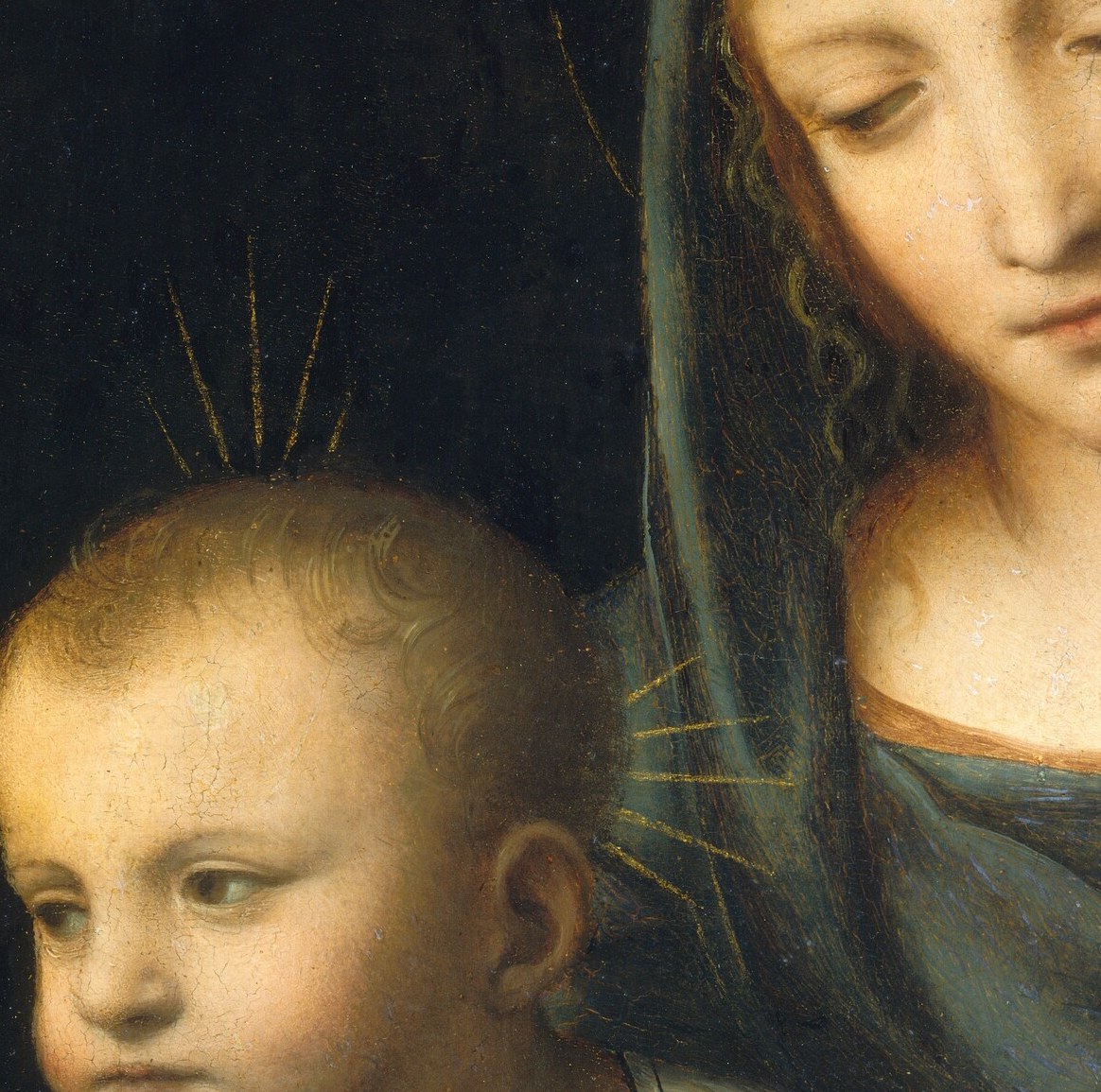
Observe the tender interaction between Mary and the Christ Child. While her hands cradle him protectively, his small fingers grasp a pink carnation. This flower, far from being a simple decorative element, is central to the painting's narrative.
The name 'carnation' itself is linguistically linked to 'incarnation,' subtly pointing to divine love. Its rich red hue further alludes to the Passion of Christ and his eventual sacrifice, a theme often explored through color symbolism in Renaissance art. The Child's upward, alert gaze at the flower suggests his divine foreknowledge of his destiny.
Luini, known for his serene aesthetic, masterfully uses these subtle elements to transform a quiet moment into a profound theological statement, inviting deeper contemplation from the viewer.
Details
Transcript
This devotional image looks simple, but it tells a layered story. Mary gently cradles the Christ Child, a tender, human moment. But the carnation flower in his hand means more than just a bloom. Its name, 'carnation', shares roots with 'incarnation,' divine love. And its red color also foreshadows the Passion and Christ's sacrifice. His upward gaze, focused on the flower, shows his foreknowledge. Luini often used these subtle symbols to deepen his religious art.