Charles II (1630–1685), King of England by http://www.wikidata.org/.well-known/genid/c0bd0d2e58d51cd3bc7a03057102ef10
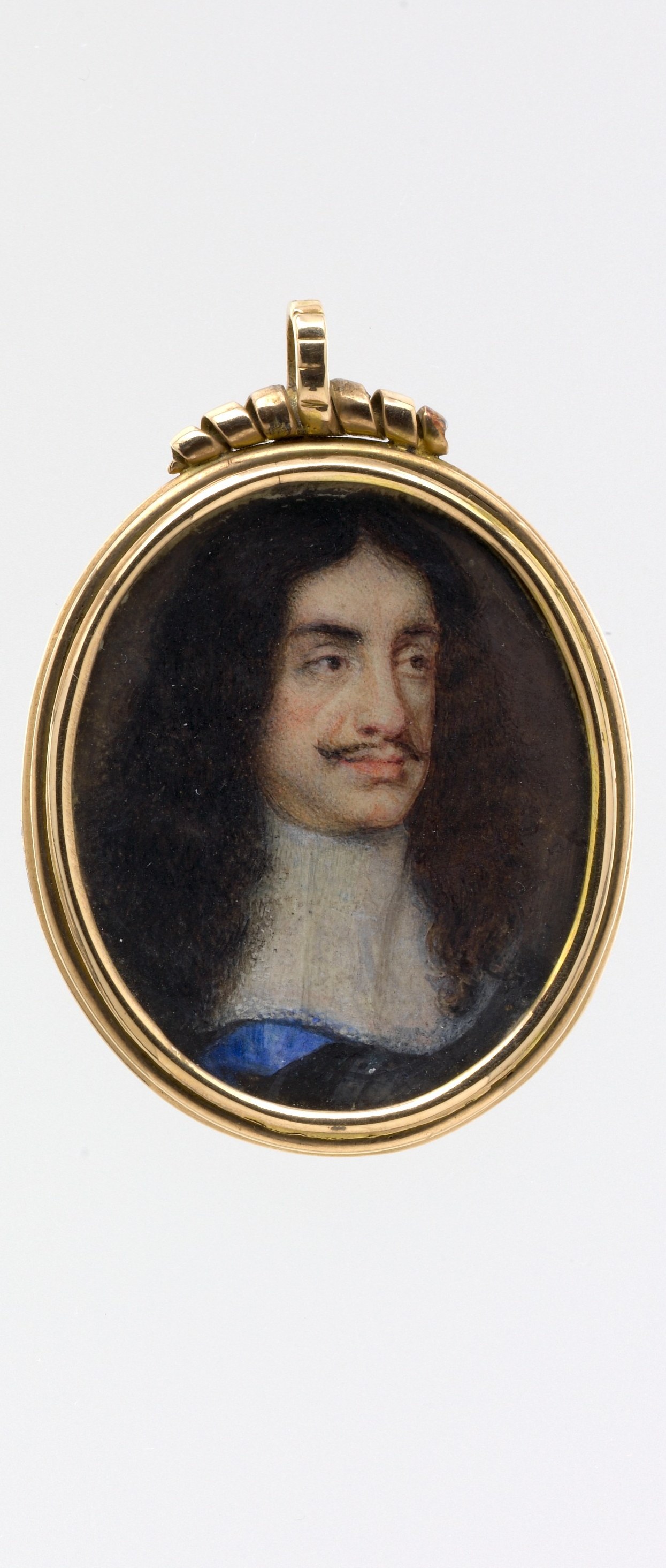
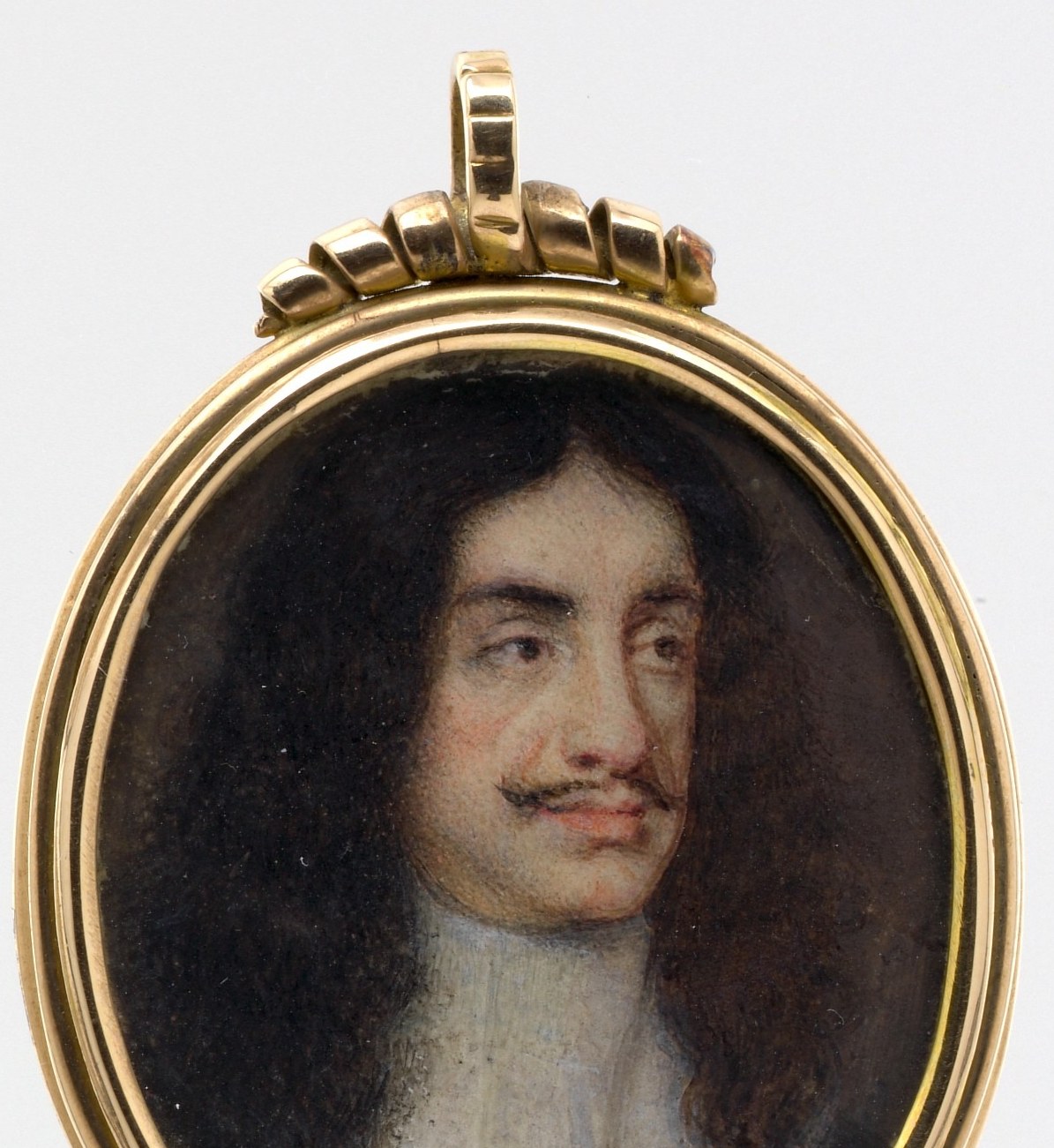
This is a miniature portrait of Charles II, painted on vellum around 1700 and now in the collection of The Metropolitan Museum of Art. A king rendered smaller than a playing card, it was never meant for a wall. It was meant for a hand.
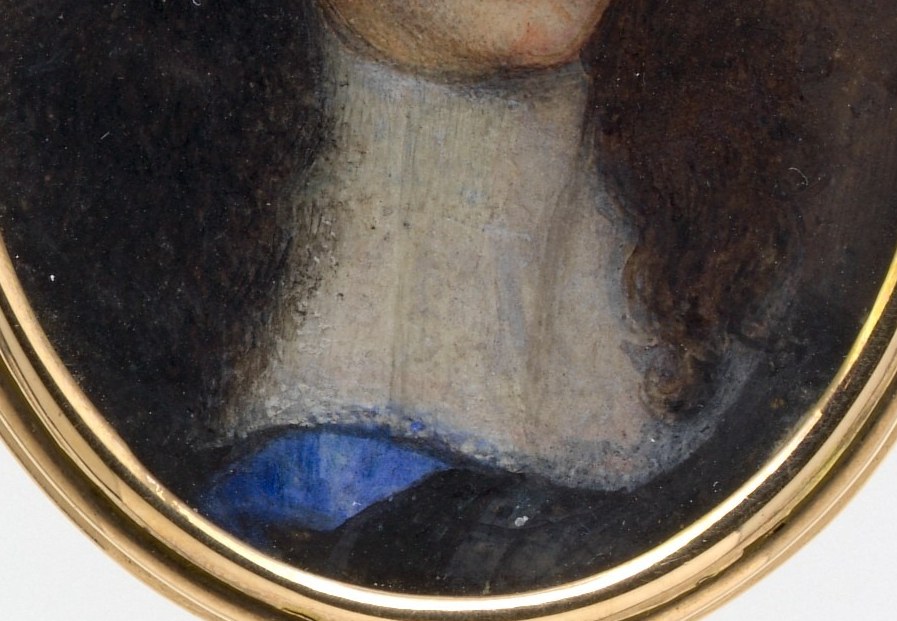
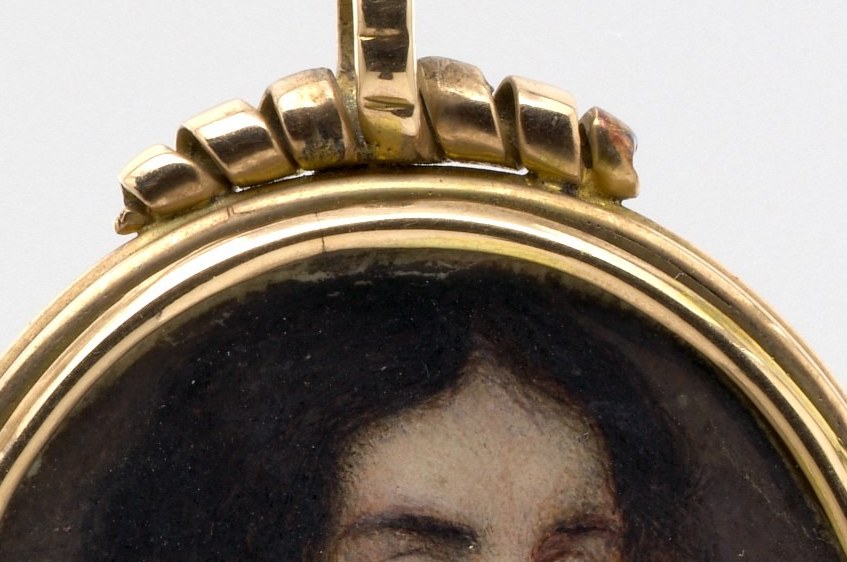
The clues are built into the object itself. The ornate gold frame with a crown finial at the top announces royal ownership. The blue sash across his chest is the ribbon of the Order of the Garter, the highest chivalric order in England. His long dark hair and thin mustache place him unmistakably in the Restoration era, after the monarchy returned from exile.
Charles II understood the power of a portable image. These miniature lockets were gifts of favor, distributed to courtiers and allies. To wear the king's likeness was to display loyalty and proximity to power. The direct gaze across three centuries still carries that original purpose.
What would it have meant to receive this from his hand? The rank, the expectation, the quiet demand of it.
Details

Transcript
The king is painted on vellum, smaller than a playing card. Look at the gold frame. That crown finial is the first clue. These lockets were personal gifts from the monarch. The blue sash across his chest signals the Order of the Garter. His long hair and thin mustache mark the Restoration moment. The whole object says: loyalty is rewarded with closeness. A king you could hold in your hand.