Self-Portrait by Fantin-Latour, Henri
Henri Fantin-Latour painted this self-portrait in 1858, at 22, before he was known for flowers or group portraits of Parisian artists. It is a Realist manifesto in one face: no backdrop, no props, no flattery.
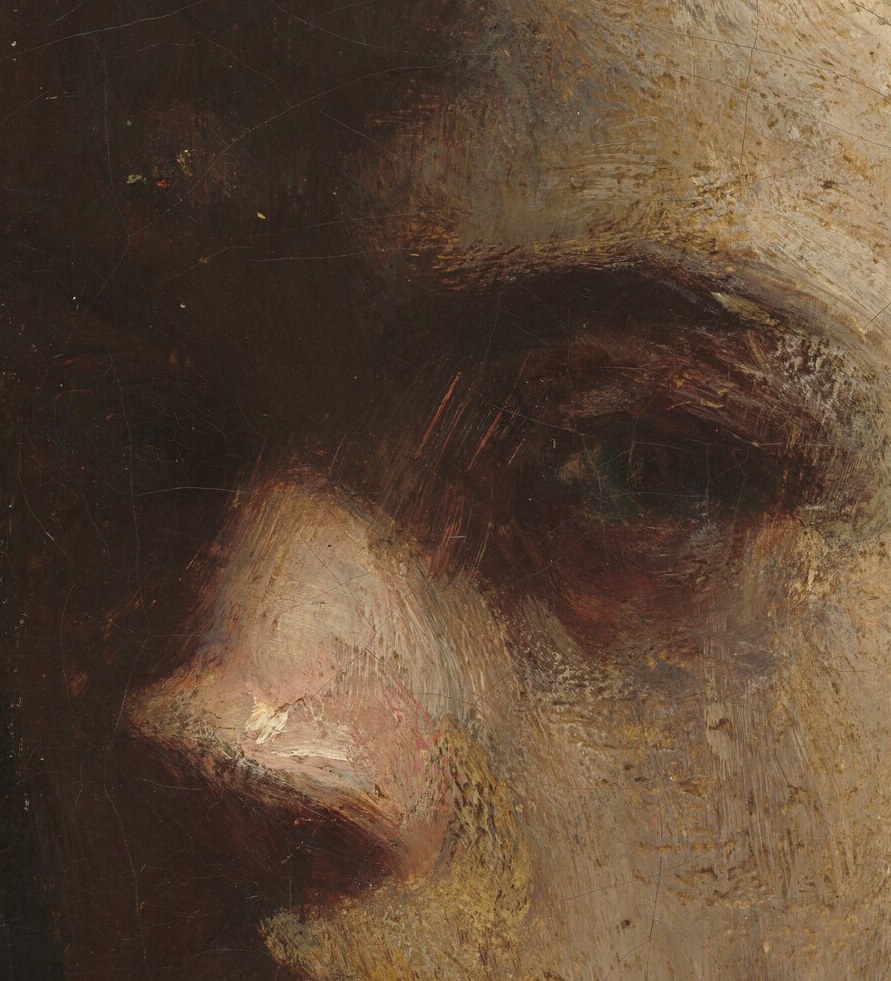
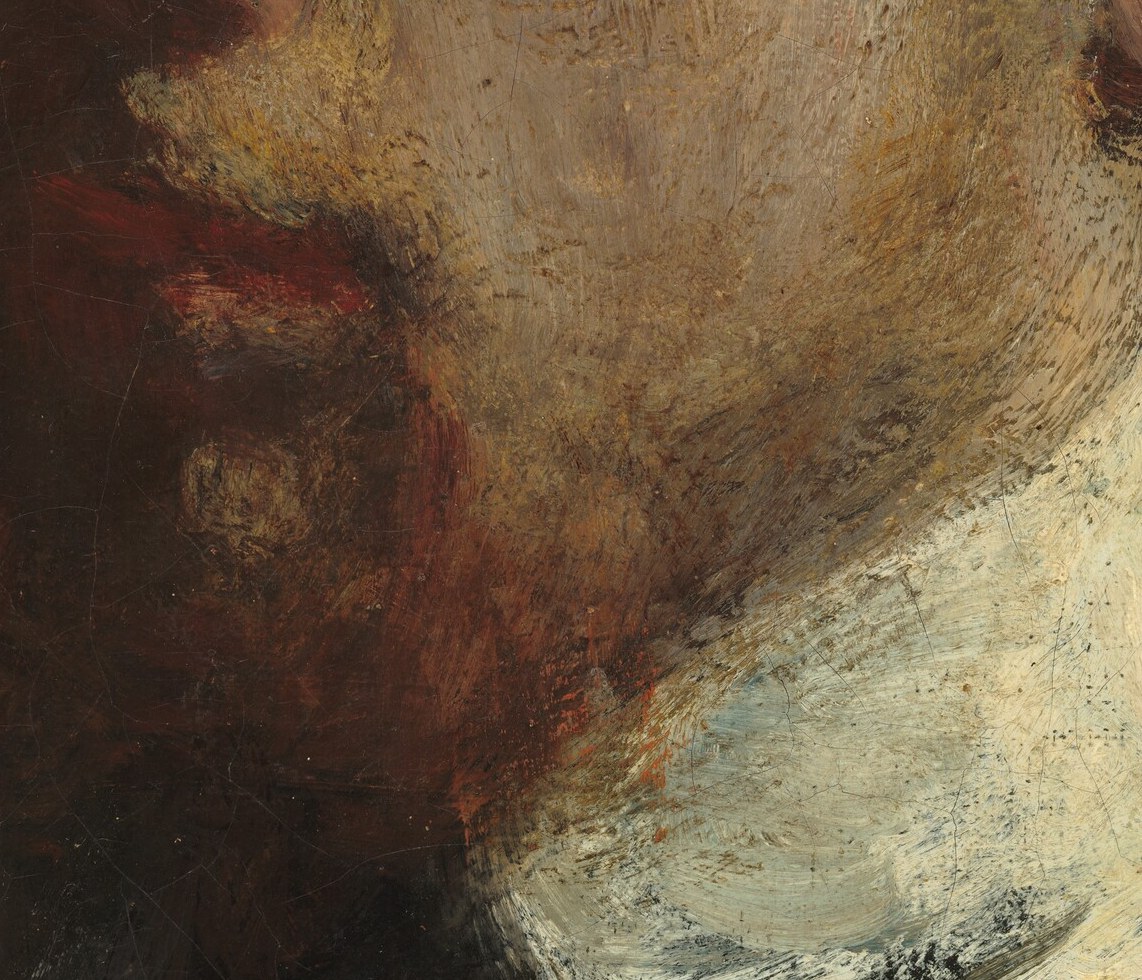
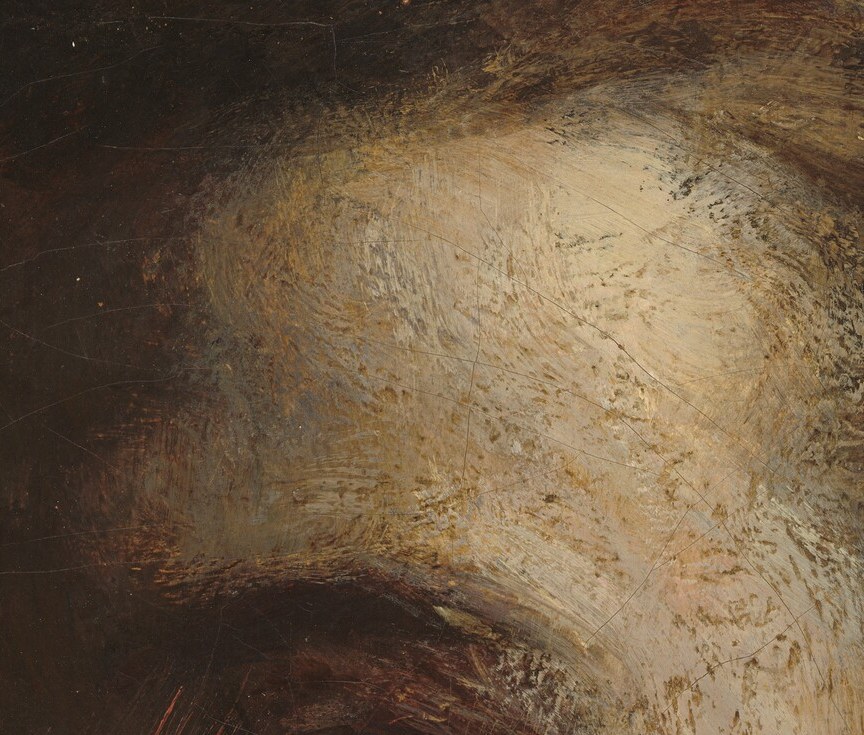
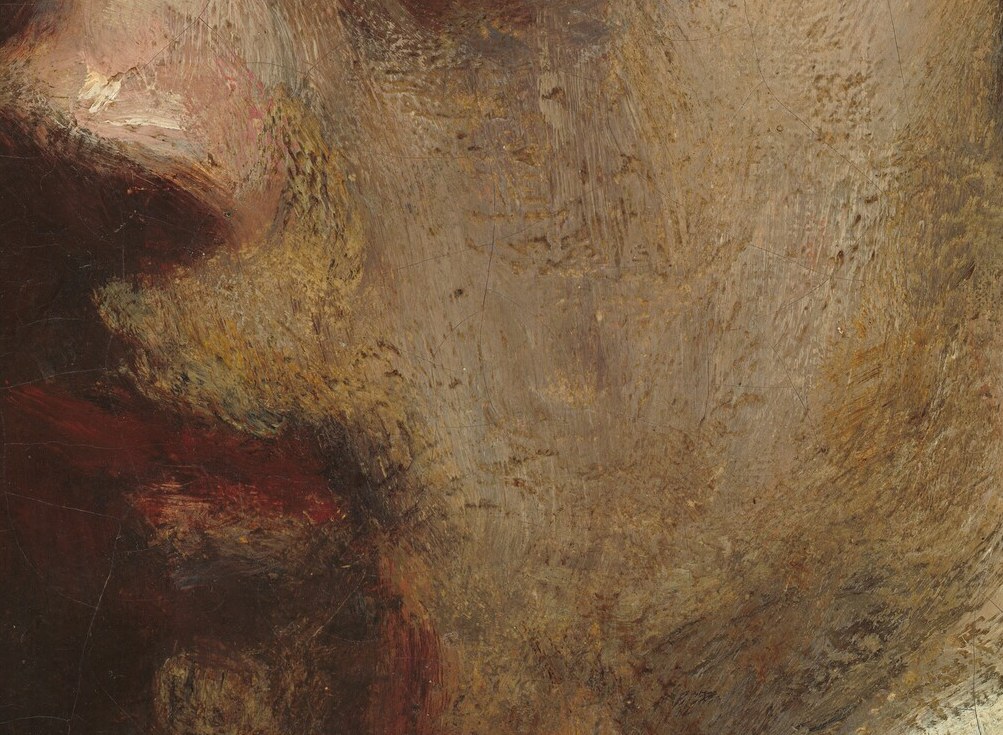
Look at the nose. Fantin-Latour didn't soften it for vanity. That deliberate unidealized profile was an argument, that a painter's job is to see clearly, not prettily. The only warm note in the whole cool palette is the sparse reddish beard, a marker of just how young he was. And then look at the eye: in that single visible eye under a shadowed brow, you catch him watching himself watch, the recursive loop at the heart of every true self-portrait.
Fantin-Latour would go on to document the artistic life of Paris through group portraits of Manet, Baudelaire, Delacroix, and their circle. But here, alone against an erased black ground, he was simply a young painter trying to earn his own gaze.
What do you see in that stare, confidence, defiance, or the quiet terror of beginning?
Details
Transcript
Paris, 1858. A 22-year-old painter stares into a mirror. He called his movement Realism. No idealization, no smoothing over. So he painted his own nose exactly as it was. Prominent. Unforgiving. The only warmth comes from this reddish beard, the mark of a very young man. He erased the world behind him. No studio, no props, no social costume beyond a white collar. All he left was the face. And that unblinking eye, watching himself watch. This debut self-portrait didn't cause a scandal. It did something harder: it told the truth.