Frescoes from the Villa Stati-Mattei by Baldassare Peruzzi
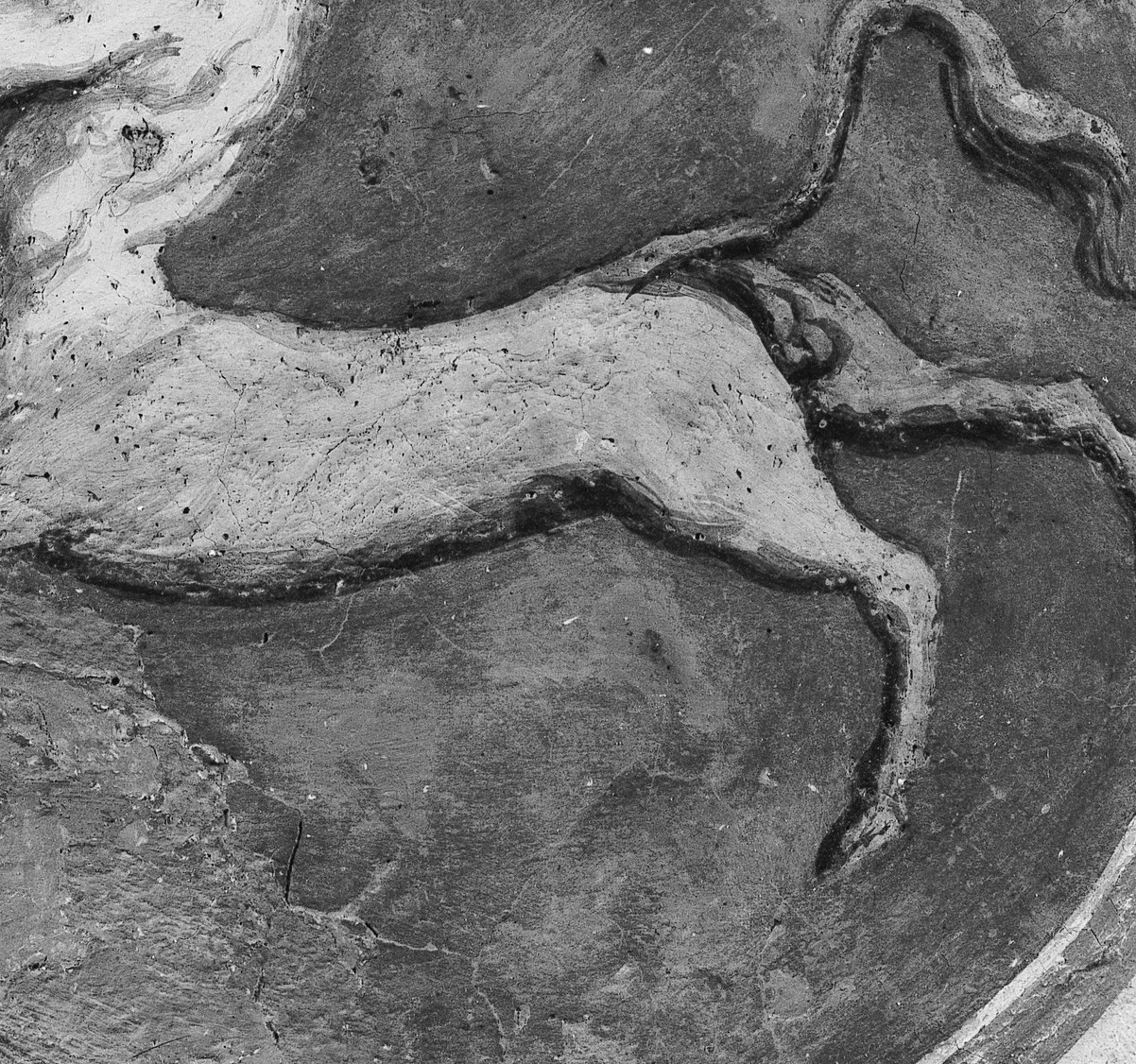
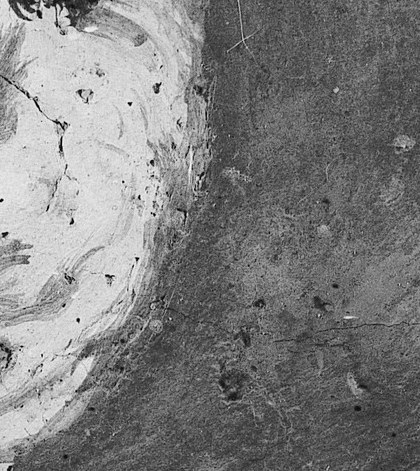
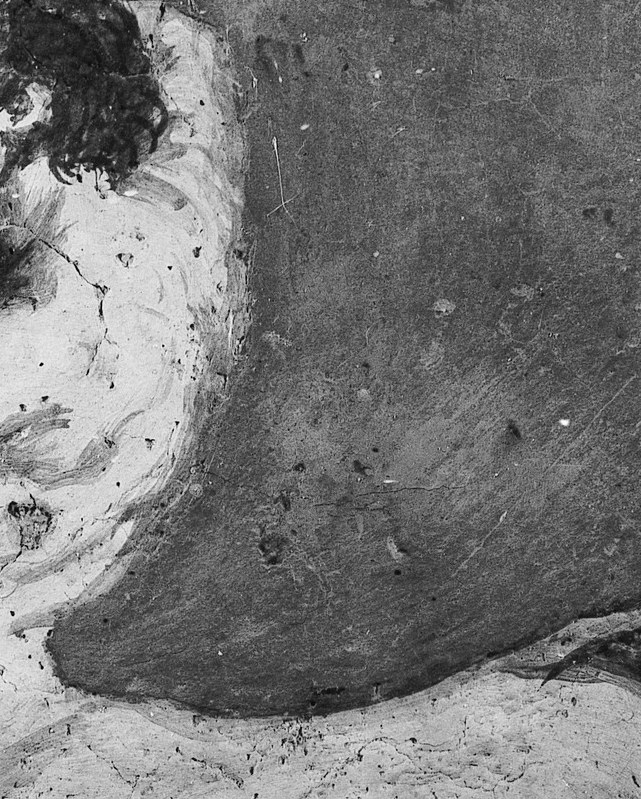
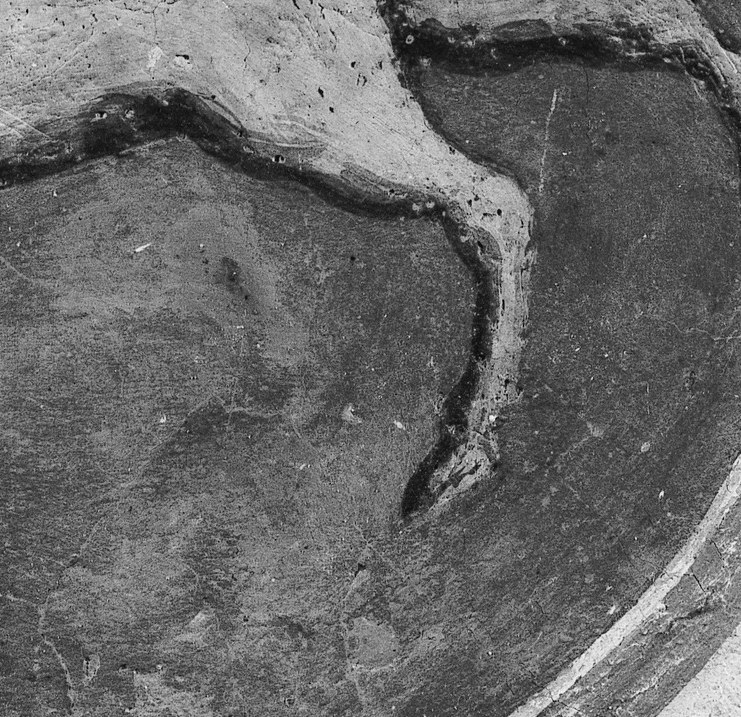
This powerful "Centaur with Bow and Arrow," painted by Baldassare Peruzzi around 1518, is a fragment of frescoes that once adorned the Villa Stati-Mattei in Rome. Today, it is preserved in The Metropolitan Museum of Art, offering a glimpse into High Renaissance artistry.
Peruzzi, a contemporary of masters like Raphael, skillfully captured the centaur's dynamic energy. Notice the tautness in the arm as it draws the bow, and the incredible musculature that conveys both human strength and equine power. The horse's body is rendered in mid-stride, emphasizing motion and dramatic tension.
These frescoes were created when Peruzzi was a prominent architect and painter in Rome, contributing to significant projects including the new St. Peter's Basilica. His work exemplifies the period's fascination with classical mythology and sophisticated artistic techniques like chiaroscuro, which creates depth through light and shadow.
It’s remarkable to consider how these vibrant wall paintings brought ancient stories to life within a private Roman villa centuries ago.
Details
Transcript
This painter was a contemporary of Raphael. He painted this centaur in 1518, in Rome. Look how his arm stretches, drawing the bow. Every muscle suggests immense power and strain. The horse's body pushes forward, ready to gallop. This fresco once decorated a Roman villa.