Sunset near Arbonne by Théodore Rousseau
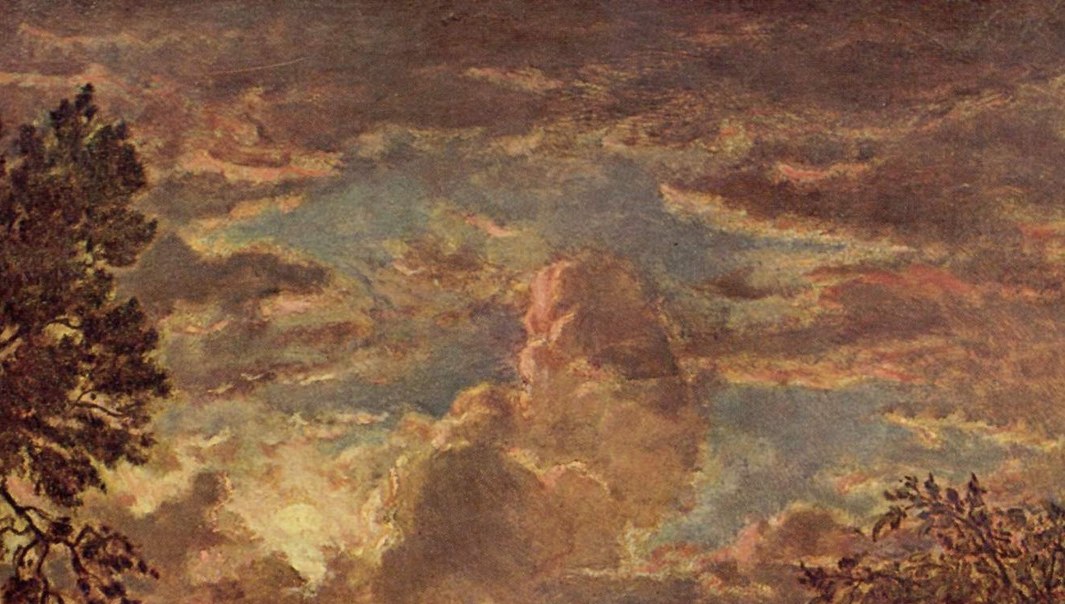
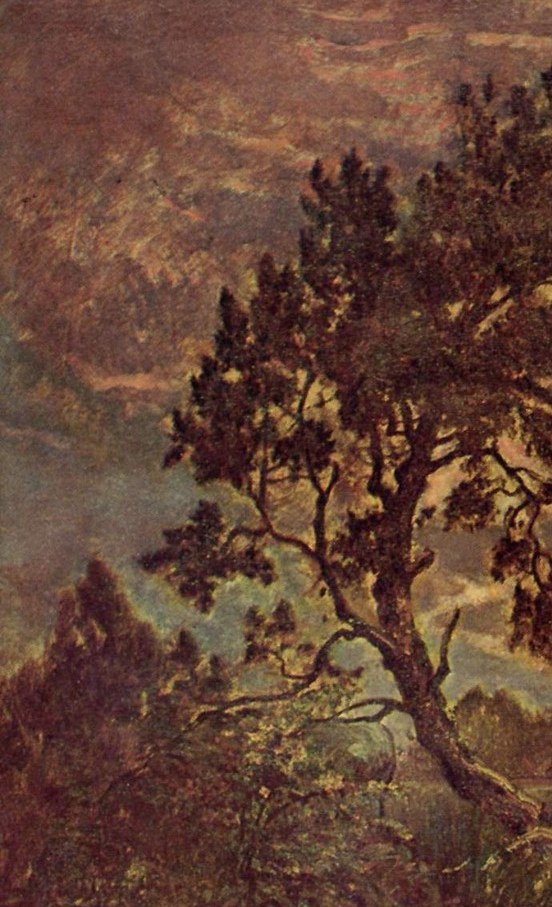
Théodore Rousseau painted *Sunset near Arbonne* in 1860, and it lives at The Metropolitan Museum of Art. Most people scrolling past see a spectacular sky and a dark tree and keep going. That sky is the hook, but it is not the whole story.
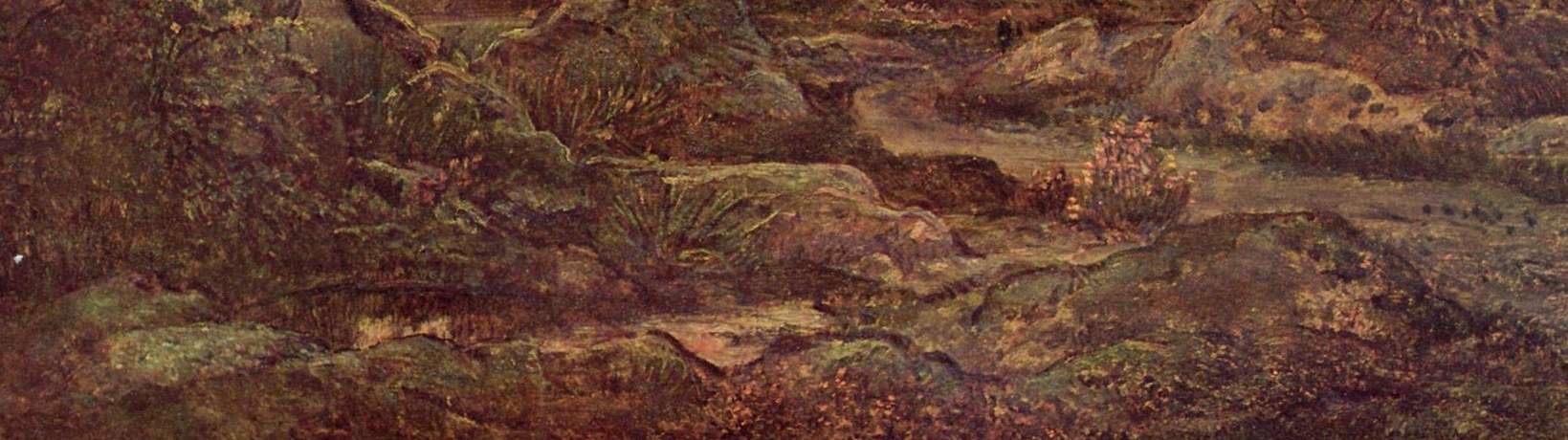
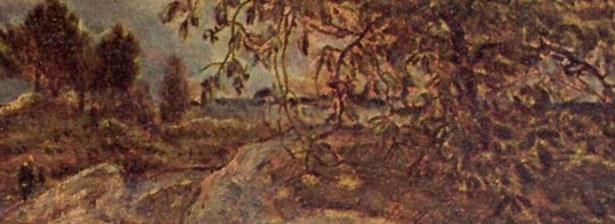
Look at the horizon on the right side. A tiny cluster of architectural forms sits there, so small you could cover them with a fingertip. It is a village, rendered in a few economical strokes of a nearly dry brush. Now trace the sandy path below it. A single dark vertical dash, no bigger than a grain of rice, marks a human figure walking home.
Rousseau was a central figure of the Barbizon school, a group of French painters who rejected the studio and worked directly from nature in the Fontainebleau Forest. Their landscapes were not imaginary Arcadias. They painted real, inhabited countryside, and those two marginal details, the village and the walker, are what separate this painting from pure fantasy. They make it a document of a specific evening near the hamlet of Arbonne.
Next time you see a big Romantic sky in a 19th-century landscape, scan the edges. The painter often left you a smaller story there.
Details
Transcript
Everyone sees the sky first. Théodore Rousseau was famous for skies like this. But the Barbizon painters didn't invent landscapes. They painted real places, working fast, outdoors. Now look along the horizon. Right side. A tiny village. Barely a few strokes of a dry brush. And here, on the path: a single dark figure. The painting remembers the people who worked this land.