New Year's Day in a Village at Stone Lake by Li Shida
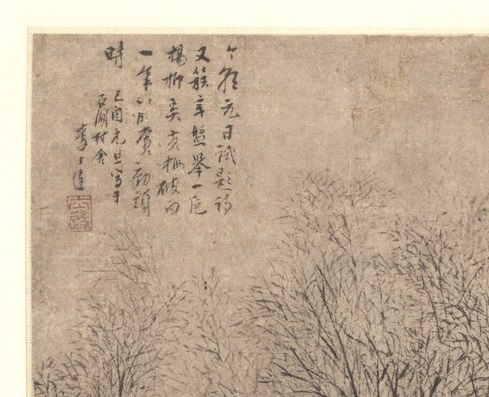
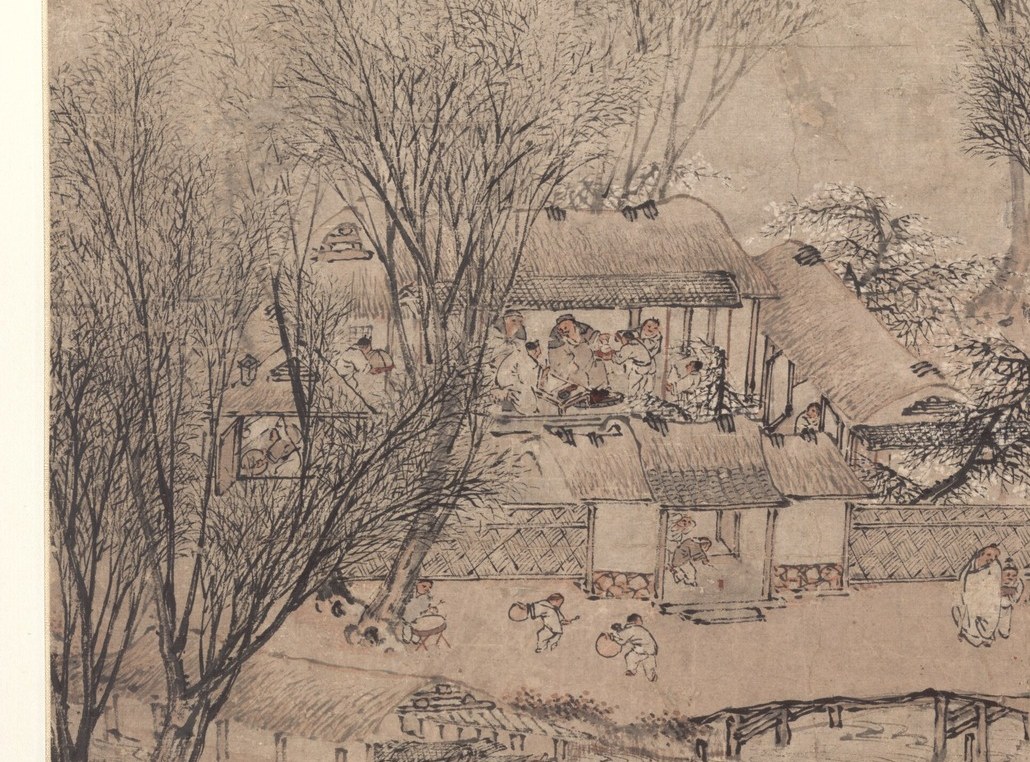
Li Shida's 'New Year's Day in a Village at Stone Lake,' painted in 1609, offers a vibrant glimpse into Ming dynasty life, now part of The Cleveland Museum of Art's collection. But the artist's own story is as compelling as the scene.
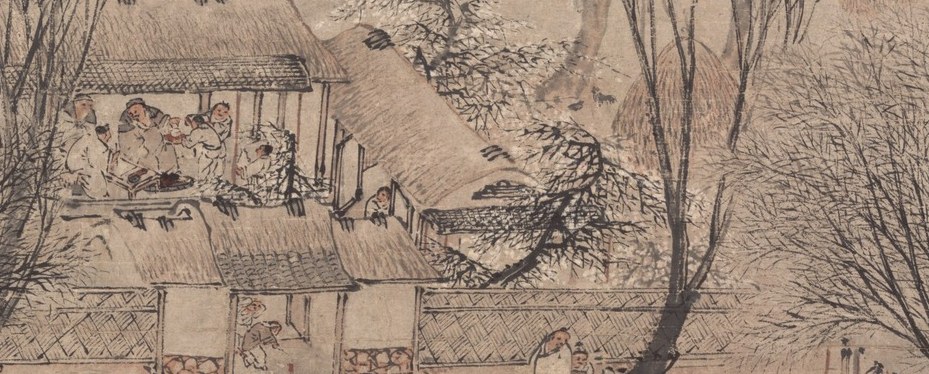
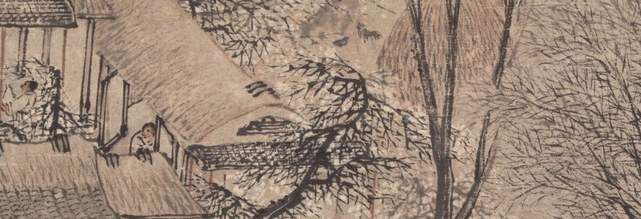
Take a closer look at the intricate details, from the thatched-roof houses bustling with families to the delicate bare trees, all contributing to a sense of communal celebration. The painting is a rich tapestry of daily life and festivities during the New Year period in early 17th-century China.
Li Shida was no ordinary painter. Hailing from Suzhou, he was a scholar-official who obtained the prestigious jinshi degree in 1574. This accomplishment meant he passed the highest imperial examination, qualifying him for a prominent role in government service under the Wanli Emperor. His artistic work, therefore, comes from a deeply learned and culturally significant background.
It's a reminder that many historical figures wore multiple hats, excelling in both art and public life. What other dual talents might we find in the annals of art history?
Details
Transcript
This painting shows a lively New Year's Day in a village. Look at the houses, with families gathered on verandas. These are celebrations from the year 1609 in China. Its painter, Li Shida, was more than just an artist. He earned the jinshi degree, becoming a scholar-official. That's like passing a final imperial exam for civil service.