Ferdinand VII (1784–1833), Prince of Asturias by Francisco Goya
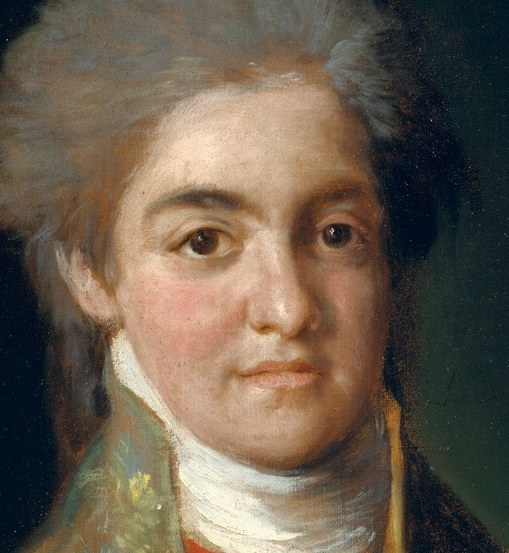
In 1800, Francisco Goya painted Ferdinand VII as the Prince of Asturias, a formal portrait now held at The Metropolitan Museum of Art. This early work showcases Goya's skill in capturing the regal bearing expected of a future monarch.
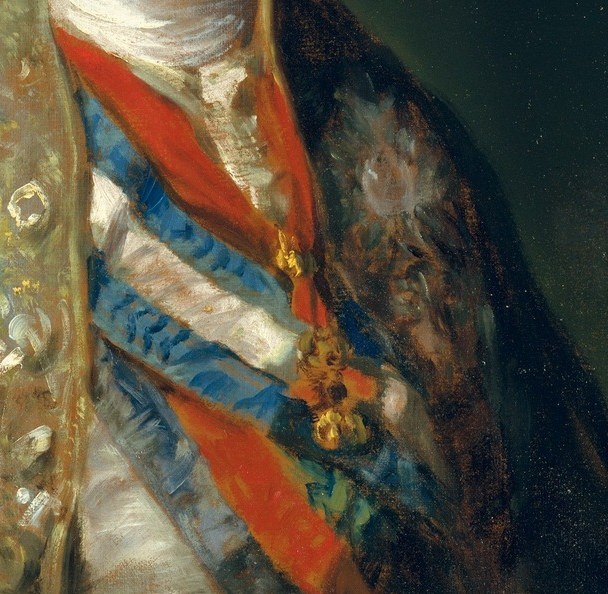
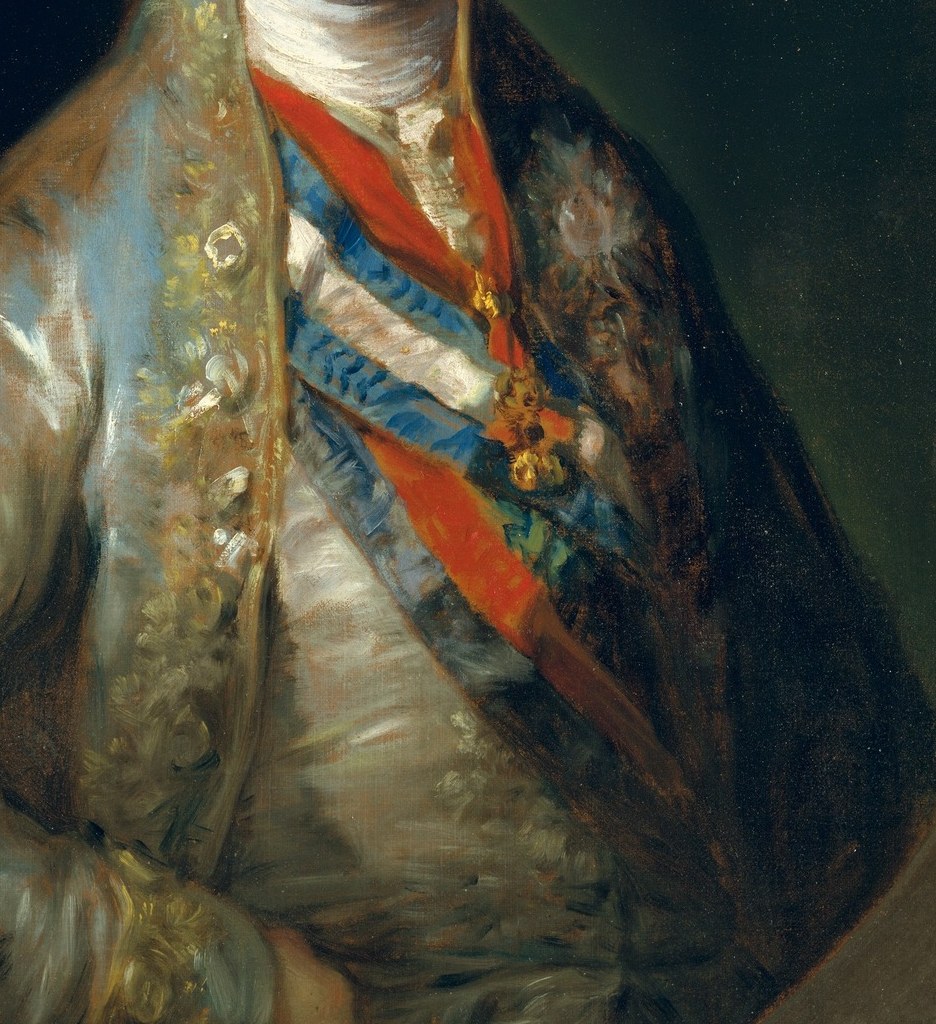
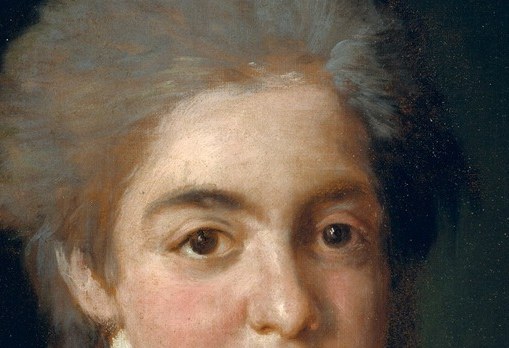
Notice the prince's direct gaze and serious expression, set against the opulent details of his sash and medals. Goya's brushwork expertly renders the textures, from his powdered hair to the ruffled collar, conveying his high status.
This painting, completed at the turn of the 19th century, predates Ferdinand's tumultuous reign. Goya, a court painter, would later create far less flattering depictions of the king, reflecting the political upheavals of the time and the artist's changing perception of the monarch.
This portrait offers a glimpse into a complex relationship between artist and subject, hinting at the future without giving away Goya's later, more critical views.
Details
Transcript
This is Prince Ferdinand VII, future King of Spain. The painter was Francisco Goya, the court artist. Goya worked for the Spanish Crown, capturing its rulers. Ferdinand's gaze is direct, but his expression is serious. This painting was finished in 1800, before Ferdinand's reign. Later, Goya would depict Ferdinand as a vain, foolish man.