A Dessert by Peale, Raphaelle
Raphaelle Peale, the first professional American still life painter, crafted "A Dessert" in 1814. This oil on wood painting is a testament to his skill in elevating a genre often overlooked in early 19th-century America.
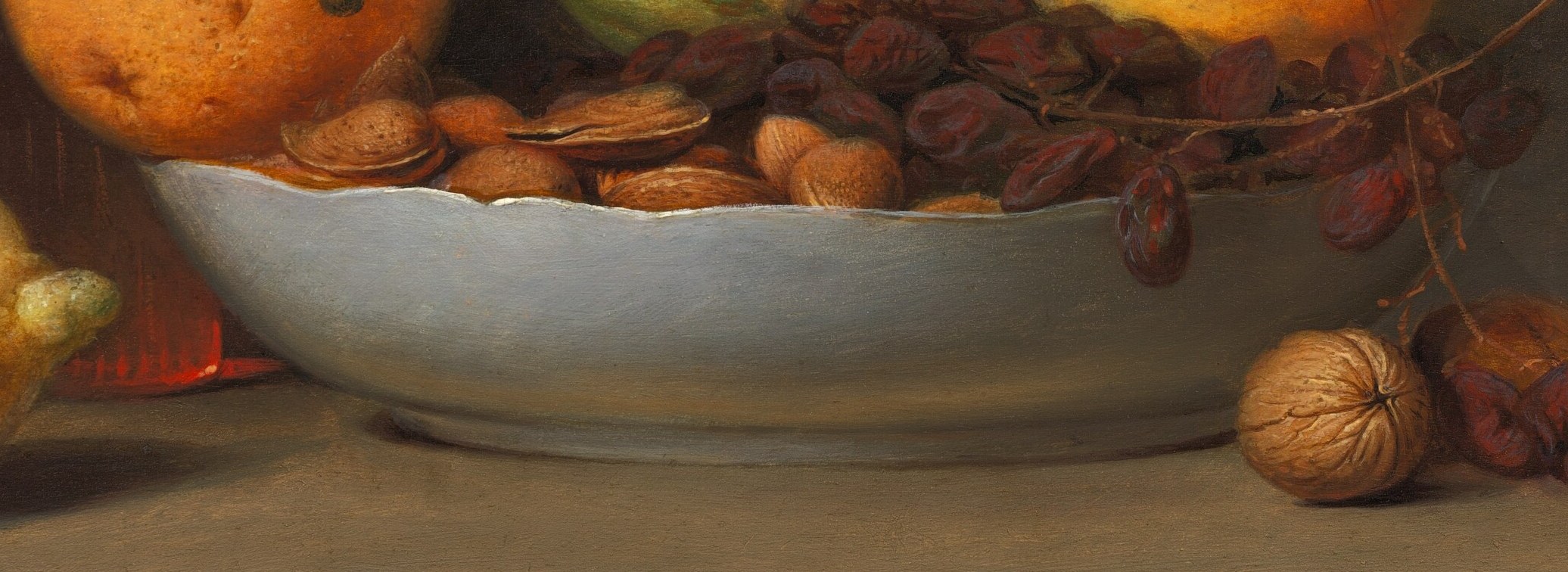
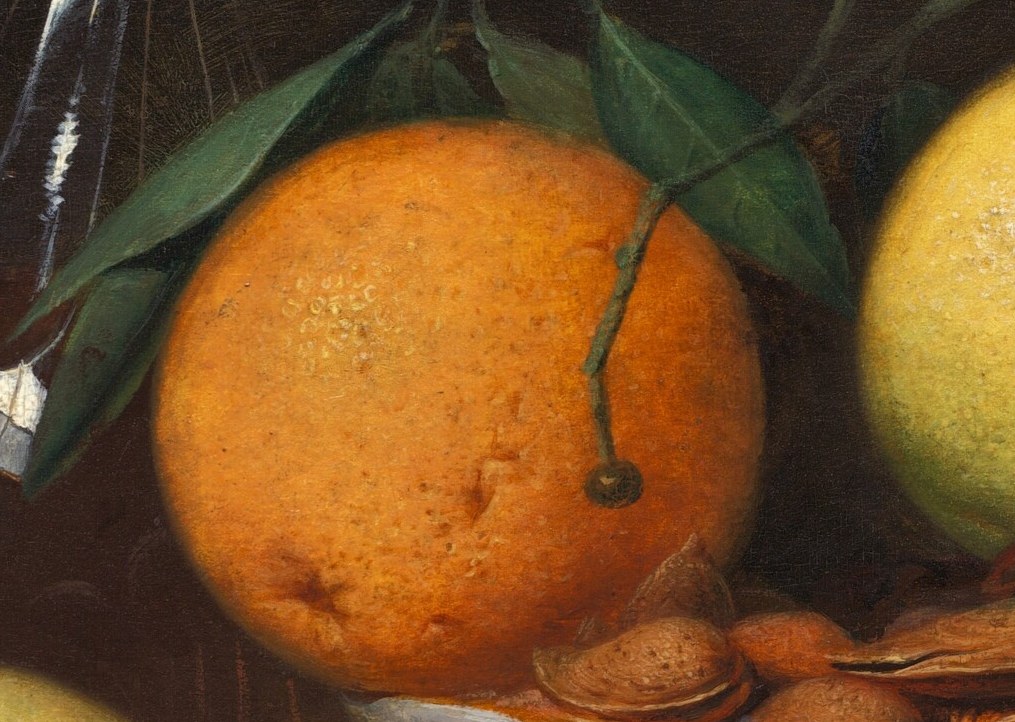
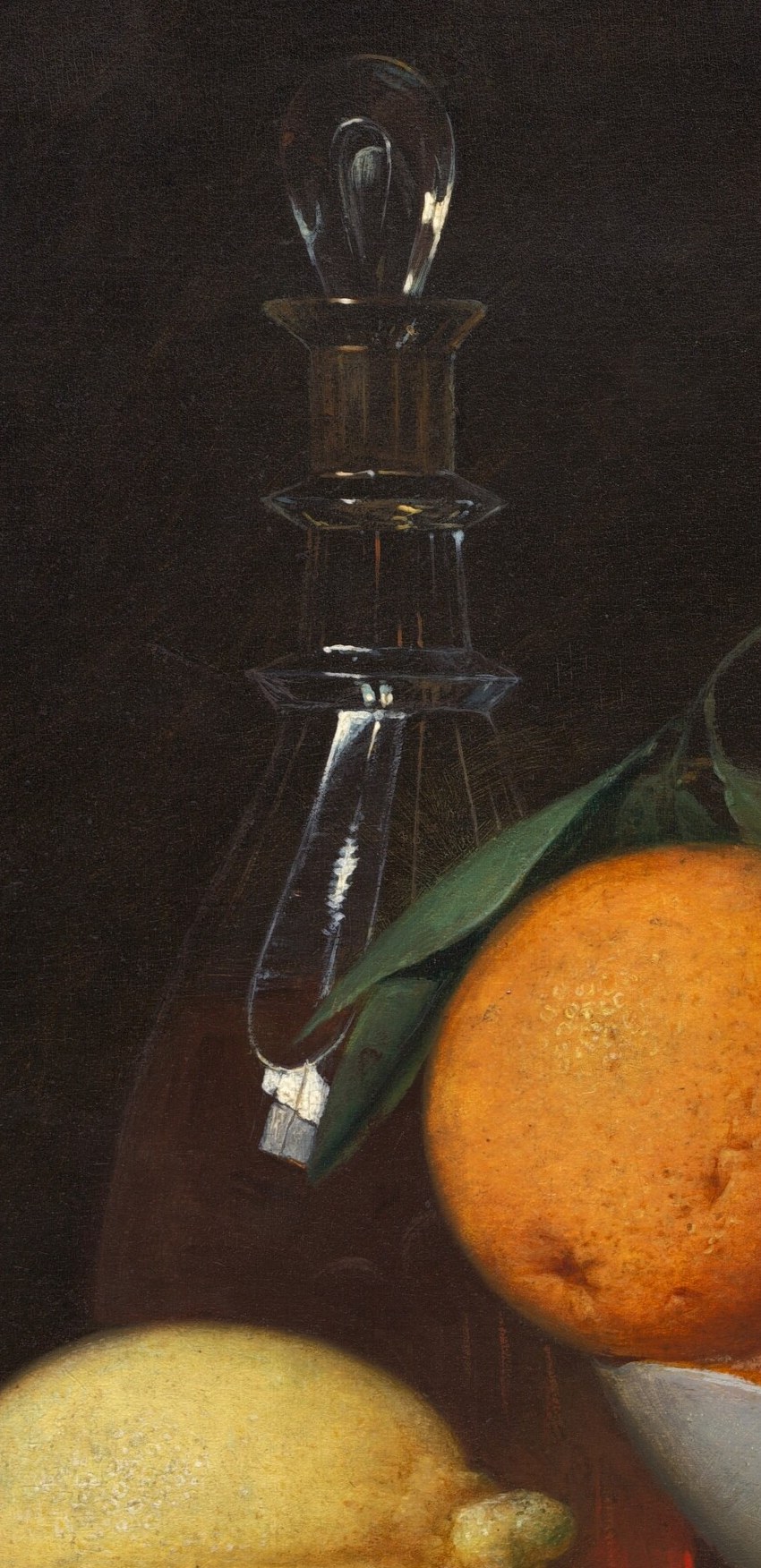
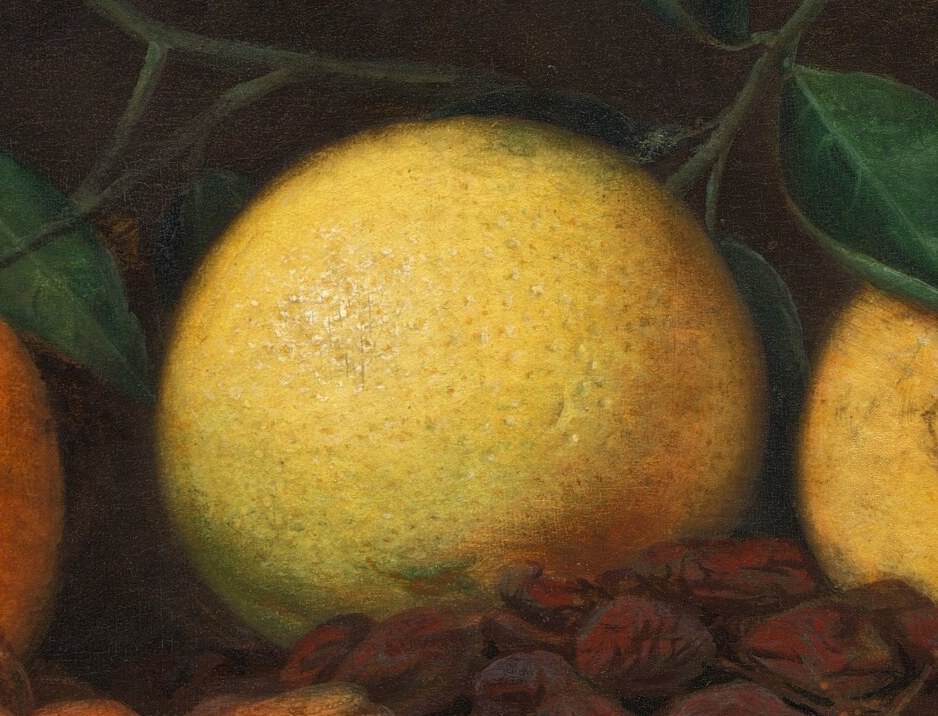
Observe the masterful rendering of light and texture on the fruits and glass. The clear decanter and the vibrant orange, lemon, and apple in the white bowl demonstrate his meticulous attention to detail, making ordinary objects appear extraordinary.
As the eldest son of the renowned Charles Willson Peale, Raphaelle carved his own artistic path. His dedication to still life helped establish it as a respected art form in the nascent American art scene, showcasing an interest in domestic subjects and the nuances of everyday life.
"A Dessert" is held in a private collection. What subtle details do you notice first in this quiet, yet profound, composition?
Details
Transcript
This painter was the first professional American still life artist. He was the eldest son of the famed portraitist Charles Willson Peale. In 1814, still lifes like this were considered a lesser art form. But Peale elevated the genre through meticulous detail and composition. Look how he makes the simple glass decanter seem precious. This painting, A Dessert, shows his mature and celebrated style.