Dutch Plantation in Bengal by Hendrik van Schuylenburgh
Hendrik van Schuylenburgh's 1665 painting, 'Dutch Plantation in Bengal,' offers a detailed look into 17th-century colonial life.
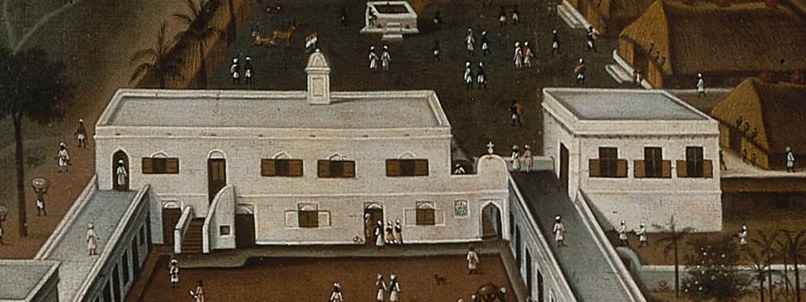
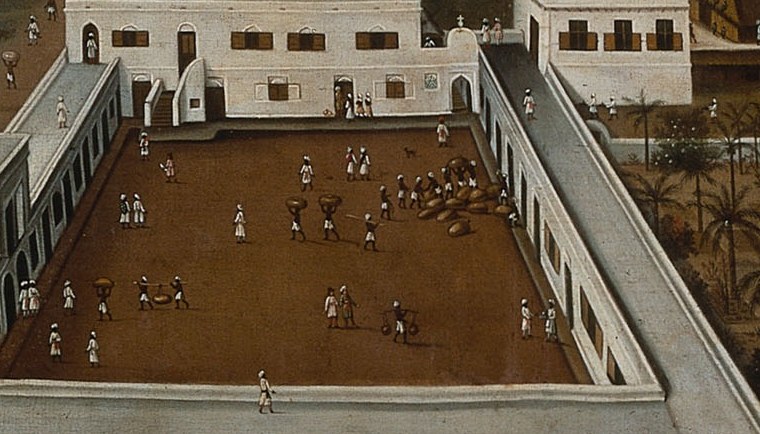
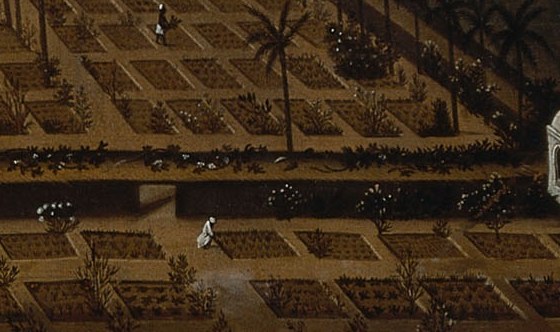
The large white plantation house dominates the scene, but closer inspection reveals a tapestry of human activity. From figures carrying baskets in the courtyard to oxen pulling carts and workers in the distant fields, the painting is filled with the daily routines of the people who lived and labored there.
This work is more than just a landscape; it's a visual record of Dutch overseas ventures during the Golden Age. It documents the establishment of European-style plantations in South Asia and the blending of cultures and economies that defined the era.
Today, it resides in the Rijksmuseum, a testament to the global reach of Dutch trade and artistry.
Details
Transcript
This 1665 painting depicts a Dutch plantation in Bengal. It shows the daily routines of a distant colonial outpost. Figures in the courtyard perform various tasks. This figure carries a basket, a common sight of daily labor. Oxen pull carts across the grounds, moving goods and people. Even small figures work in the distant cultivated fields. This captured the Dutch East India Company's reach.