Farmhouse in Provence by Gogh, Vincent van
Vincent van Gogh painted Farmhouse in Provence in 1888, shortly after moving to Arles. The work, also titled Entrance Gate to a Farm with Haystacks, is now in the National Gallery of Art in Washington, D.C. What made it so jarring to 19th-century eyes was not the humble farm scene itself, but the way van Gogh built it from screaming complements.
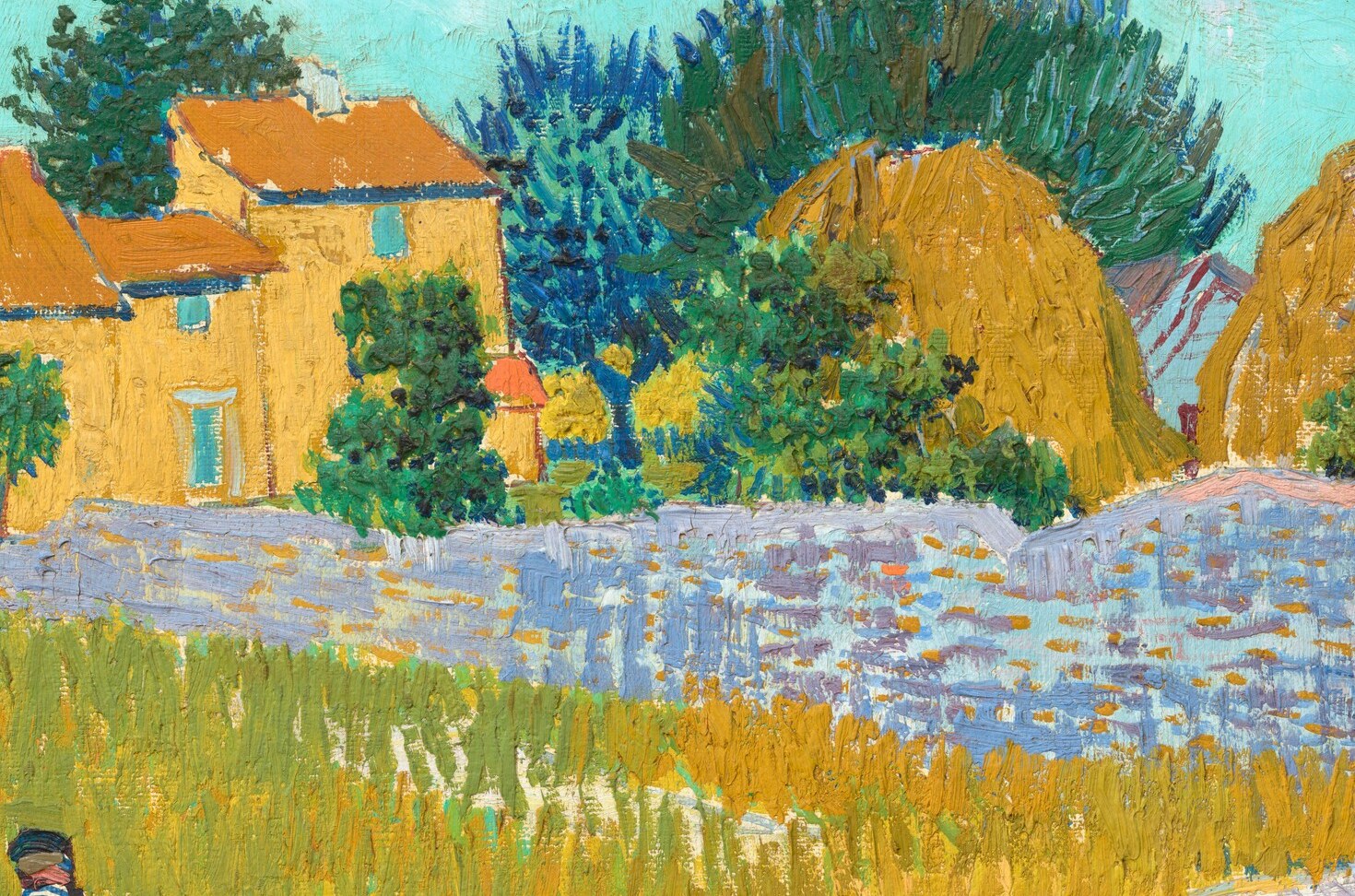
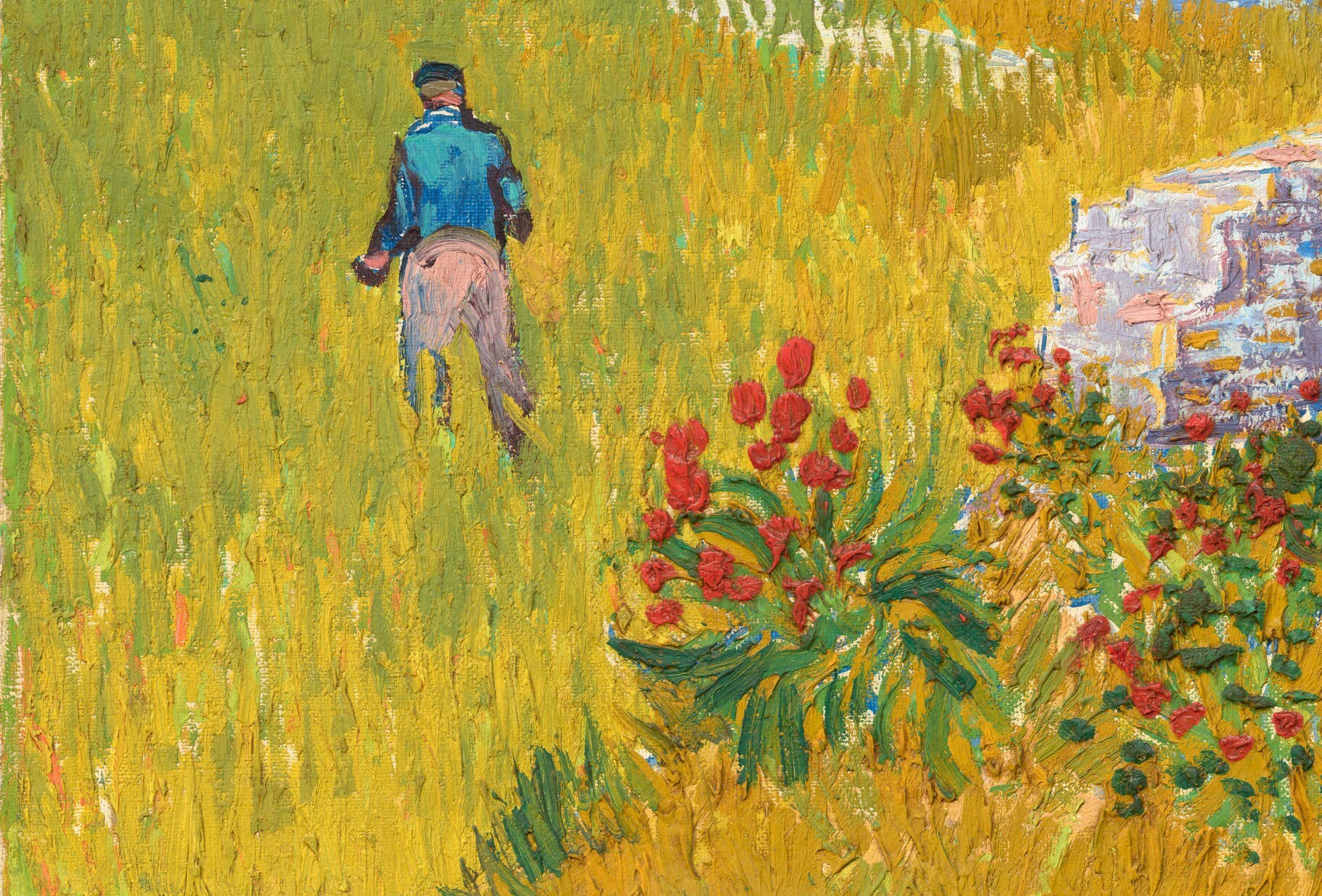
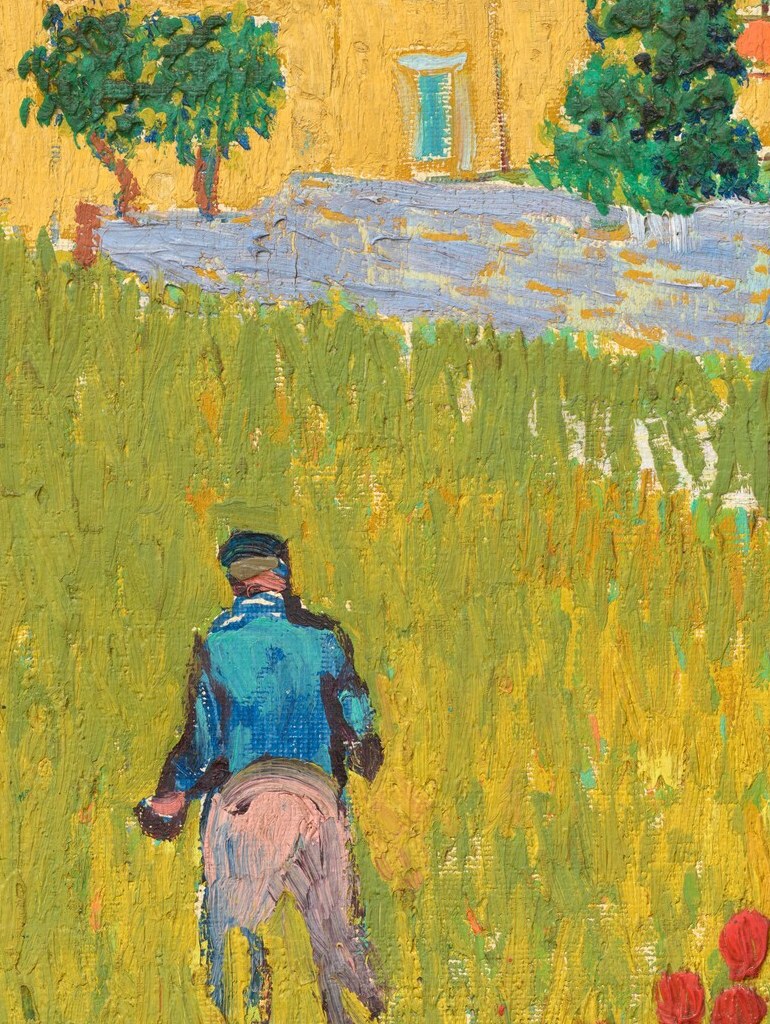
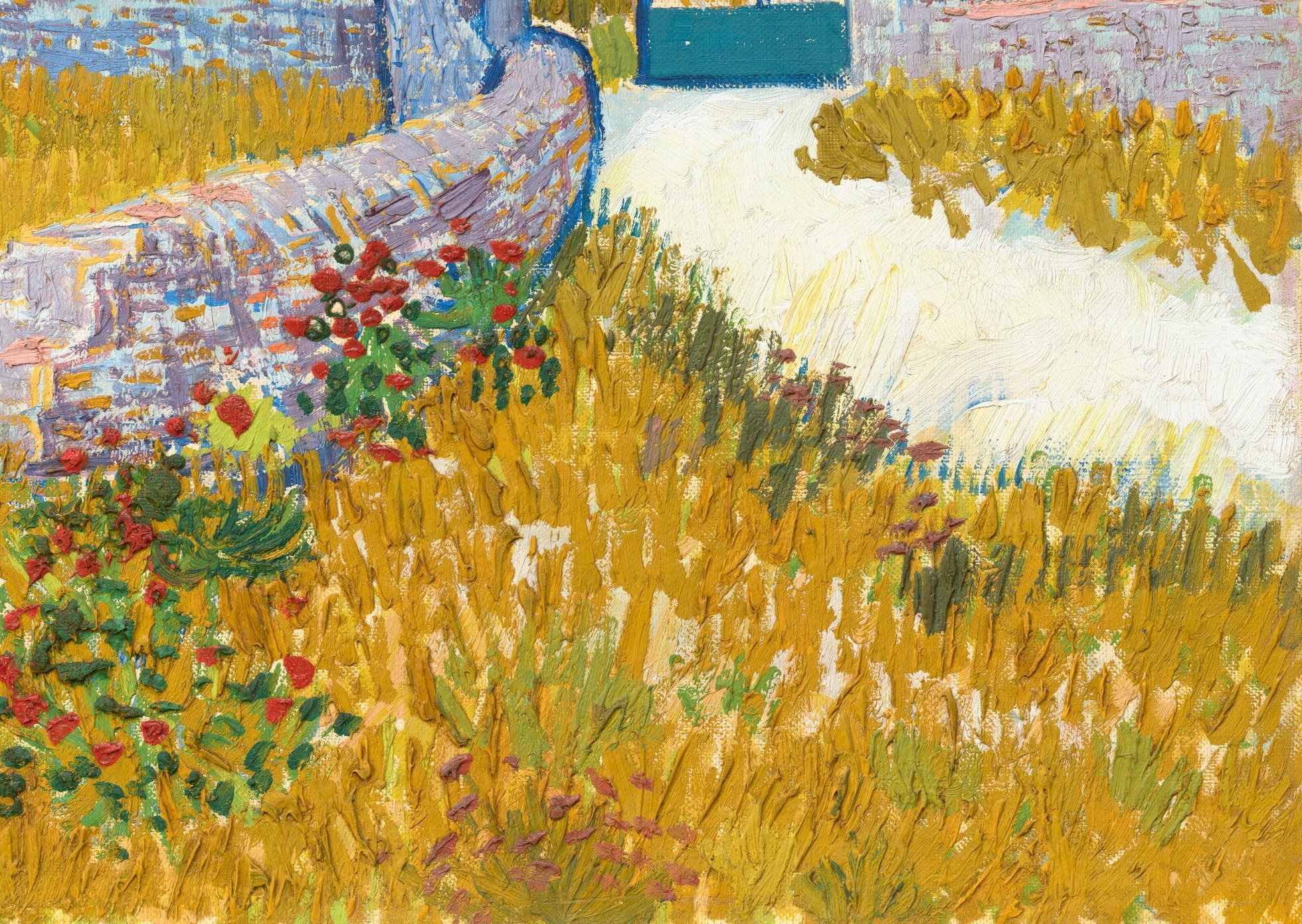
Notice the roof. It is a hot, terracotta orange, the warmest anchor in the composition. Now lift your eye to the sky. He painted it a clear mint-turquoise, a deliberate opposite on the color wheel that makes the orange vibrate with almost physical intensity. The golden wheat field below is threaded with violet shadows for the same reason. Every color choice is a confrontation.
Van Gogh was partly inspired by the painter Adolphe Monticelli, whose thick, unblended colors he admired. But Monticelli died before van Gogh reached Provence, and the younger artist pushed the lesson further than anyone expected. Dealers and critics of the day largely ignored or recoiled from his canvases, finding them garish and unpolished. He sold almost nothing.
This small farm gate painting contains the very quality that scandalized the Paris art world and changed painting forever. A quiet threshold in Arles became a portal to modern color.
Details

Transcript
In 1888, a Dutch painter arrived in Provence. Critics said his colors were too violent. Look at the roof. Hot orange. Now look at the sky. Mint turquoise. He placed opposites next to each other on purpose. The public found it unbearable.