Landscape with House and Ploughman by Vincent van Gogh
Vincent van Gogh's 'Landscape with House and Ploughman,' painted in 1889, is a remarkable example of his signature impasto technique, where thick paint creates tangible texture and vibrant life. It resides in the Hermitage Museum.
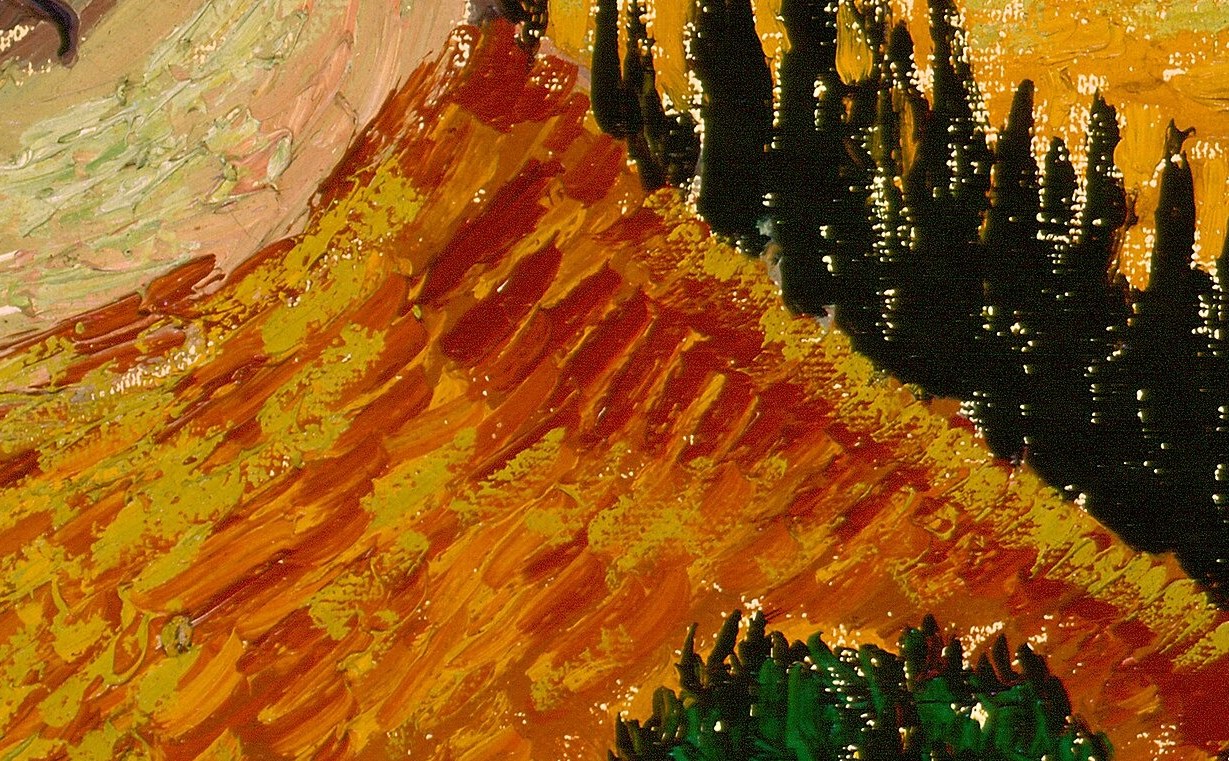
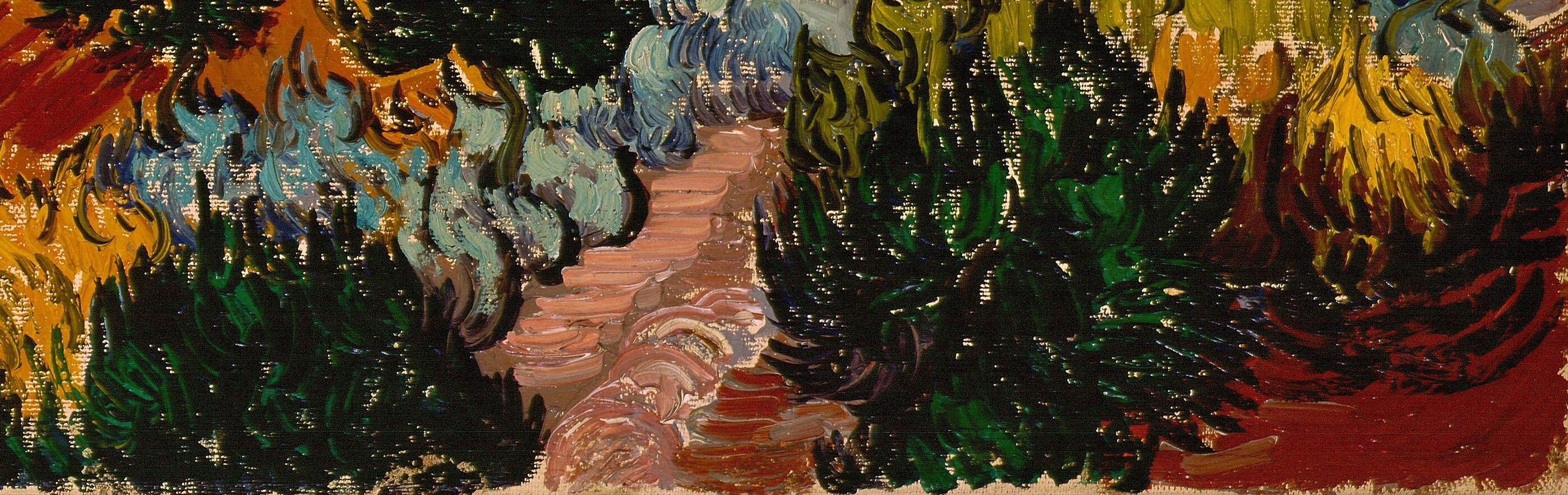
Look closely at how Van Gogh built the landscape. The ploughed field, the foreground bushes, and even the distant hills are rendered with dense, expressive brushstrokes, often using unmixed color straight from the tube. This isn't just color; it's a sculpted surface that conveys energy and light.
Painted during his stay at the asylum in Saint-Rémy, this work shows his continued fascination with rural life and the natural world, even in confinement. The painting was once considered lost after World War II, part of a collection looted by the Soviet Union, before resurfacing in 1995.
Van Gogh's ability to make paint itself a tactile, expressive element continues to captivate. What details do you notice first?
Details
Transcript
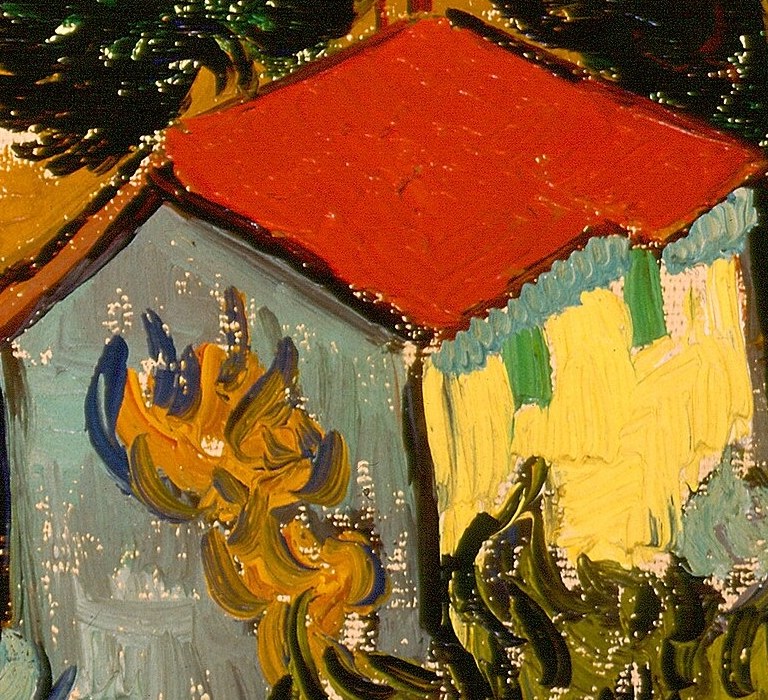
This painter was confined, but his landscapes burst with life. He built the ground from thick dabs of paint. The ploughman and his horse emerge from it. See how he created texture with unmixed color. Then, notice the light hitting this house. Pure yellow, straight from the tube, laid on thick.