William Thornton by Stuart, Gilbert
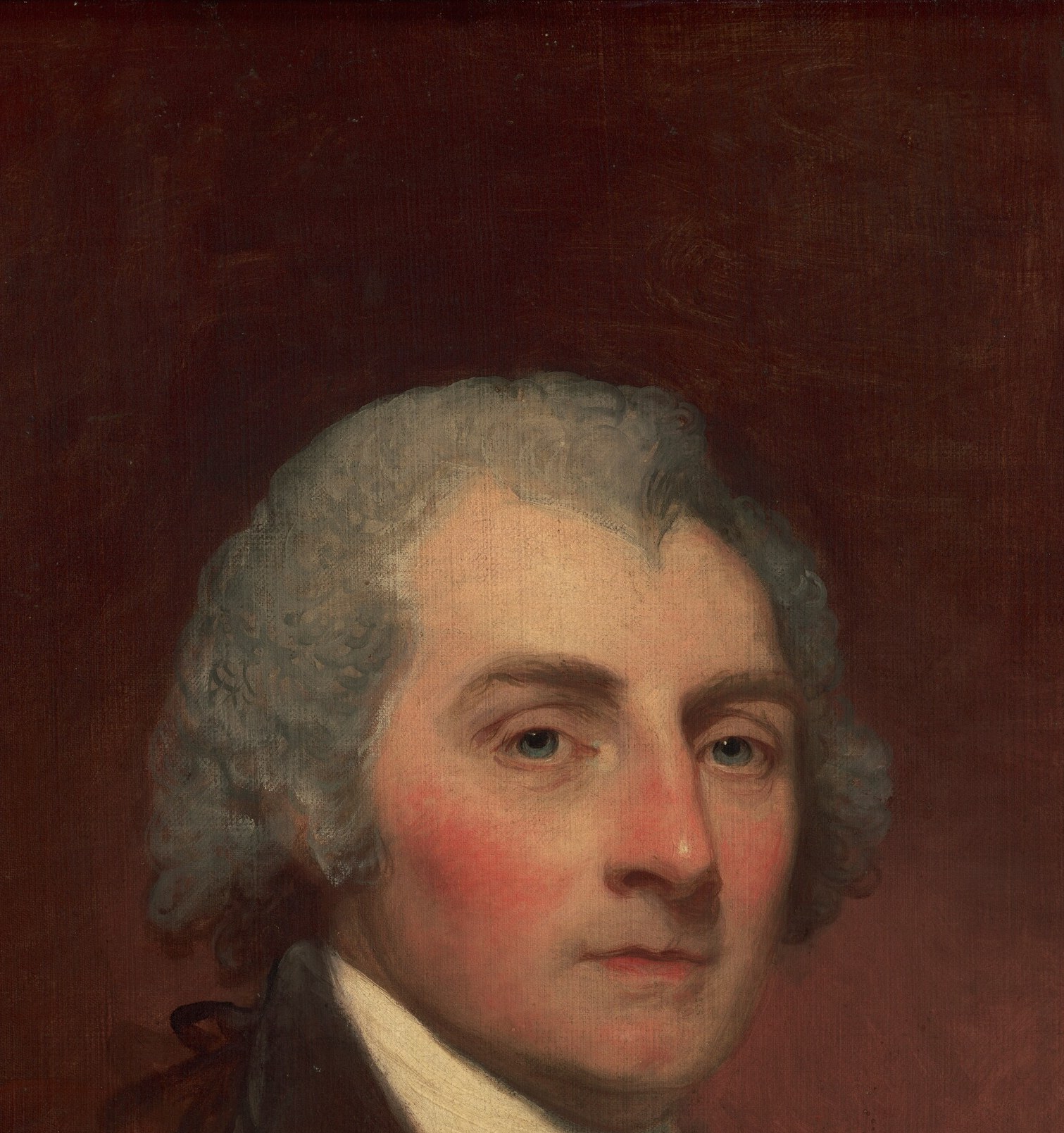
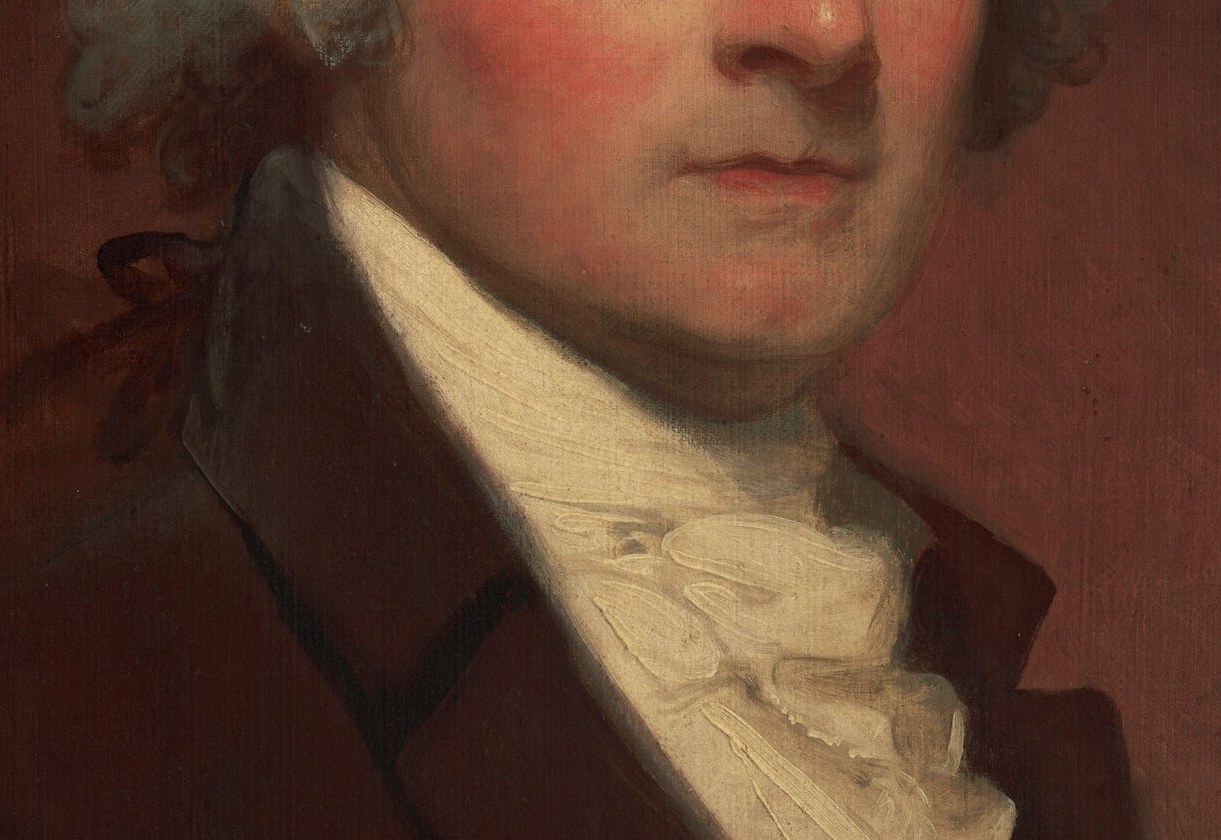
This is William Thornton, painted by Gilbert Stuart in 1804. Thornton was a physician, an inventor, and the first Architect of the Capitol, the man who gave Washington D.C. its central building. When Stuart painted this portrait, Thornton was also serving as the first Superintendent of the US Patent Office. He held both posts simultaneously, a fact that still astonishes historians.
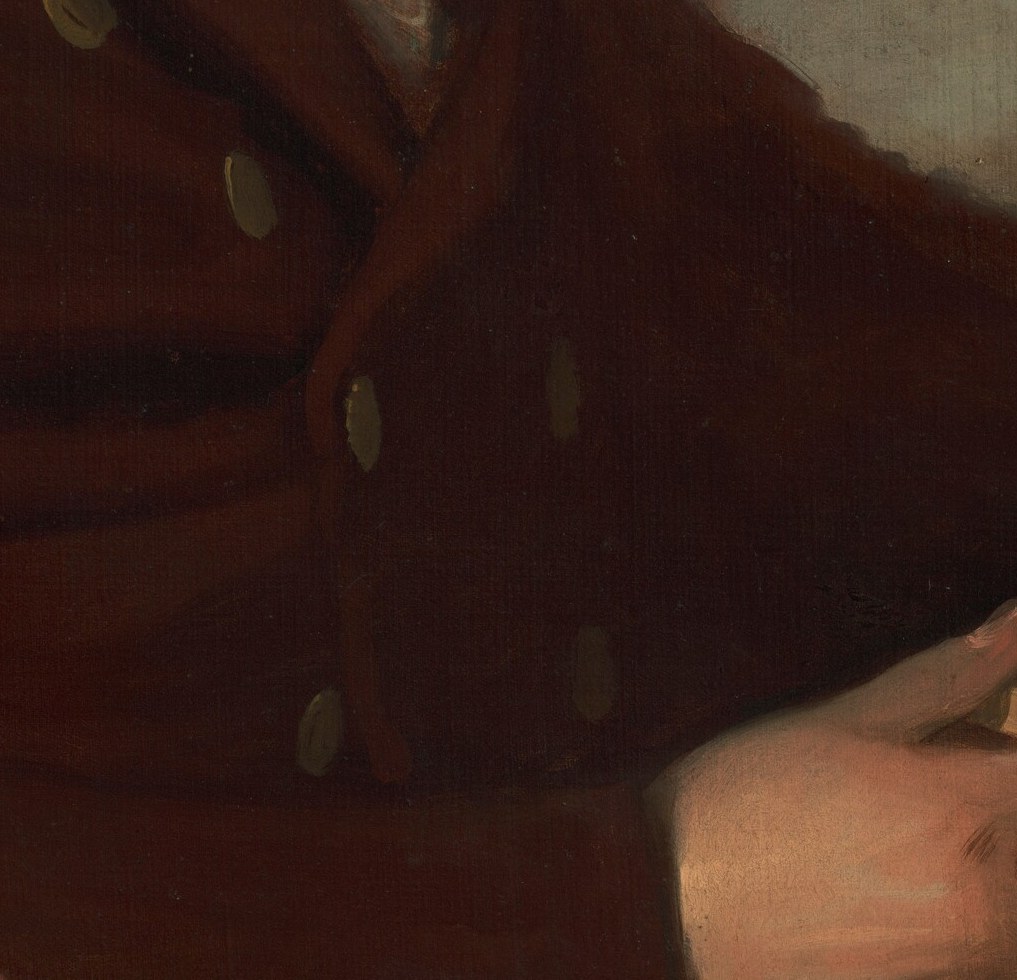
Look at Thornton's face first. Stuart was famous for making his sitters seem to breathe on canvas, and you can see his secret in the eyes. He left a tiny, reflected spot of white in each pupil, an optical trick that makes the eye appear luminously wet and alive. Then notice how loosely the dark coat is painted, almost unfinished, so your eye goes straight to the face and stays there.
Stuart was the most sought-after portraitist in Federal America. He painted over a thousand portraits, including the iconic image of George Washington that appears on the one-dollar bill. This portrait of Thornton is a quieter work, but it documents a singular American life: the man who literally drew the blueprint for the legislative branch of the new republic.
What do you see in his expression? Dignity, certainly. But also, perhaps, the weight of someone who spent his life building institutions meant to outlast him.
Details
Transcript
He looks like a man who carried the republic on his shoulders. He did. William Thornton designed the United States Capitol. The documents in his hand are likely the Capitol drawings. He also ran the entire US Patent Office. One man, two foundations. Now look at his eyes. Gilbert Stuart left a spot of white in each pupil. That tiny trick of light is why his faces still feel alive, two centuries on.