Landscape with a Herd by Charles Jacque
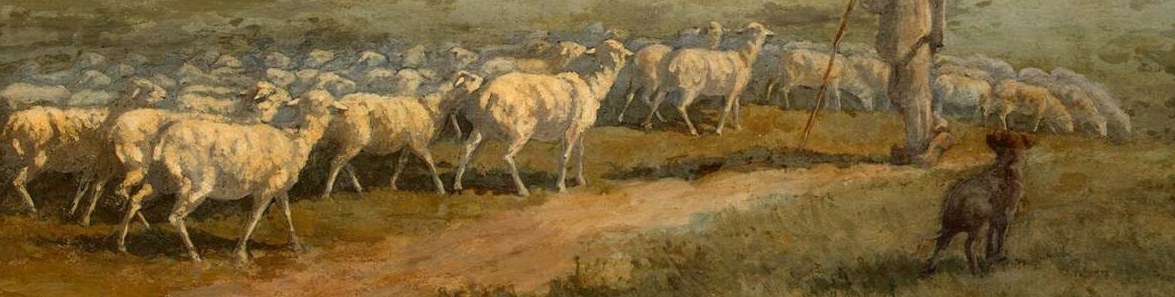
Charles Jacque’s *Landscape with a Herd*, painted in 1872, is more than just a tranquil rural scene from the Barbizon School; it quietly conveys a message about faith and guidance. Housed at the State Hermitage Museum, this oil painting invites a closer look.
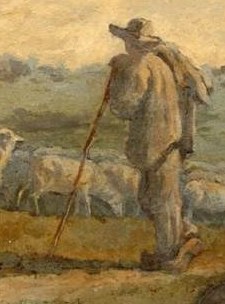
Notice the shepherd's staff. Far from just a tool, in 19th-century symbolism, it often represented guidance and leadership, particularly in a spiritual sense. This meaning is reinforced by the prominent, yet distant, church spire, which universally symbolizes faith and a community united by belief.
Jacque, a key figure in the Barbizon School alongside Jean-François Millet, often depicted unidealized rural life. His ability to weave subtle, traditional symbols into these naturalistic settings adds a layer of depth to his work, encouraging viewers to look beyond the surface.
What other quiet messages do you think artists embed in their landscapes?
Details
Transcript
This peaceful scene hides a deeper message. The painter was known for natural rural scenes. But the shepherd's staff here is a symbol. It represents guidance and spiritual leadership. And the distant church spire confirms it. It stands for faith and the community of believers. Together, they paint a quiet message of faith and protection.