Elisha Doane by American 18th Century
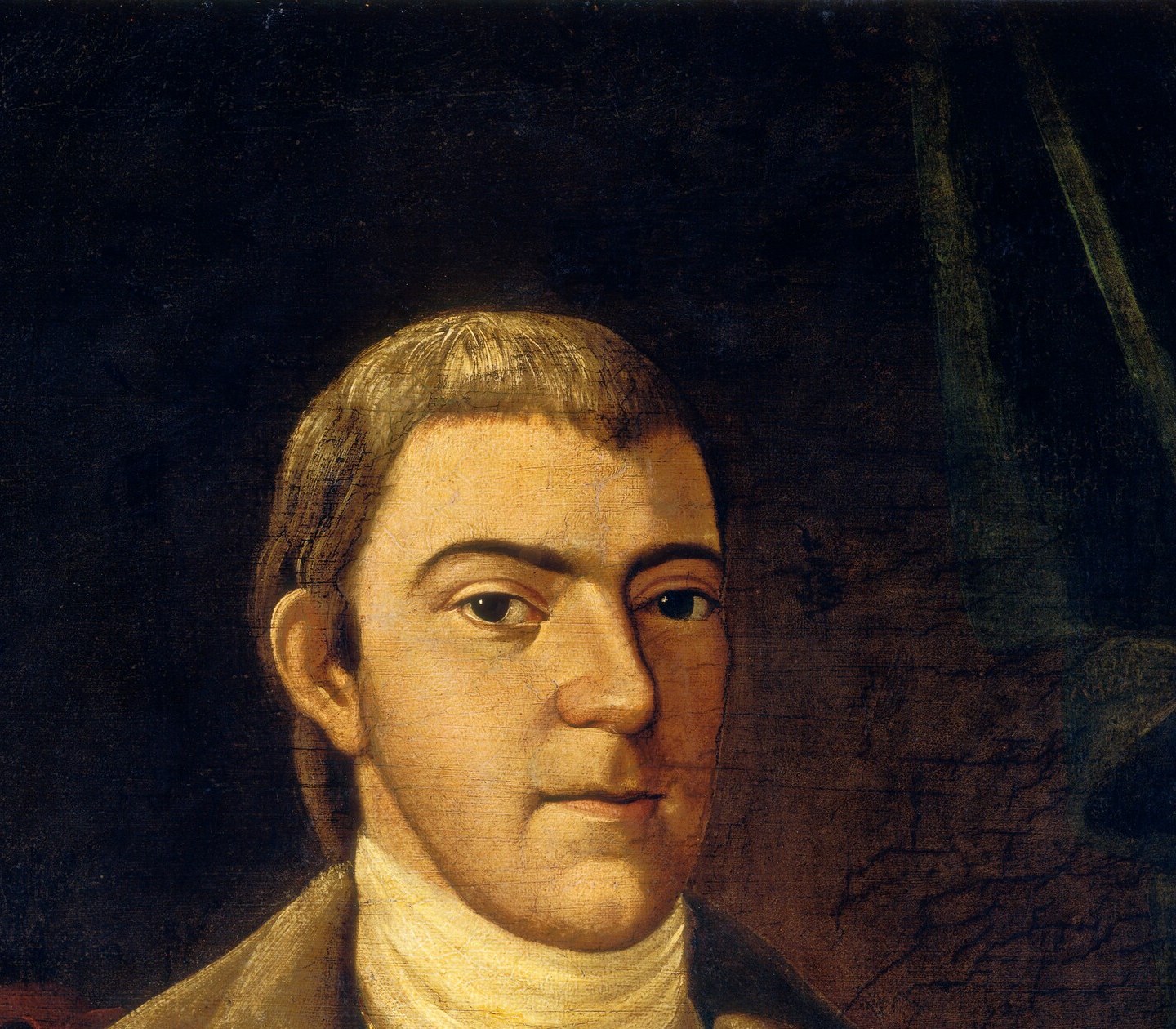
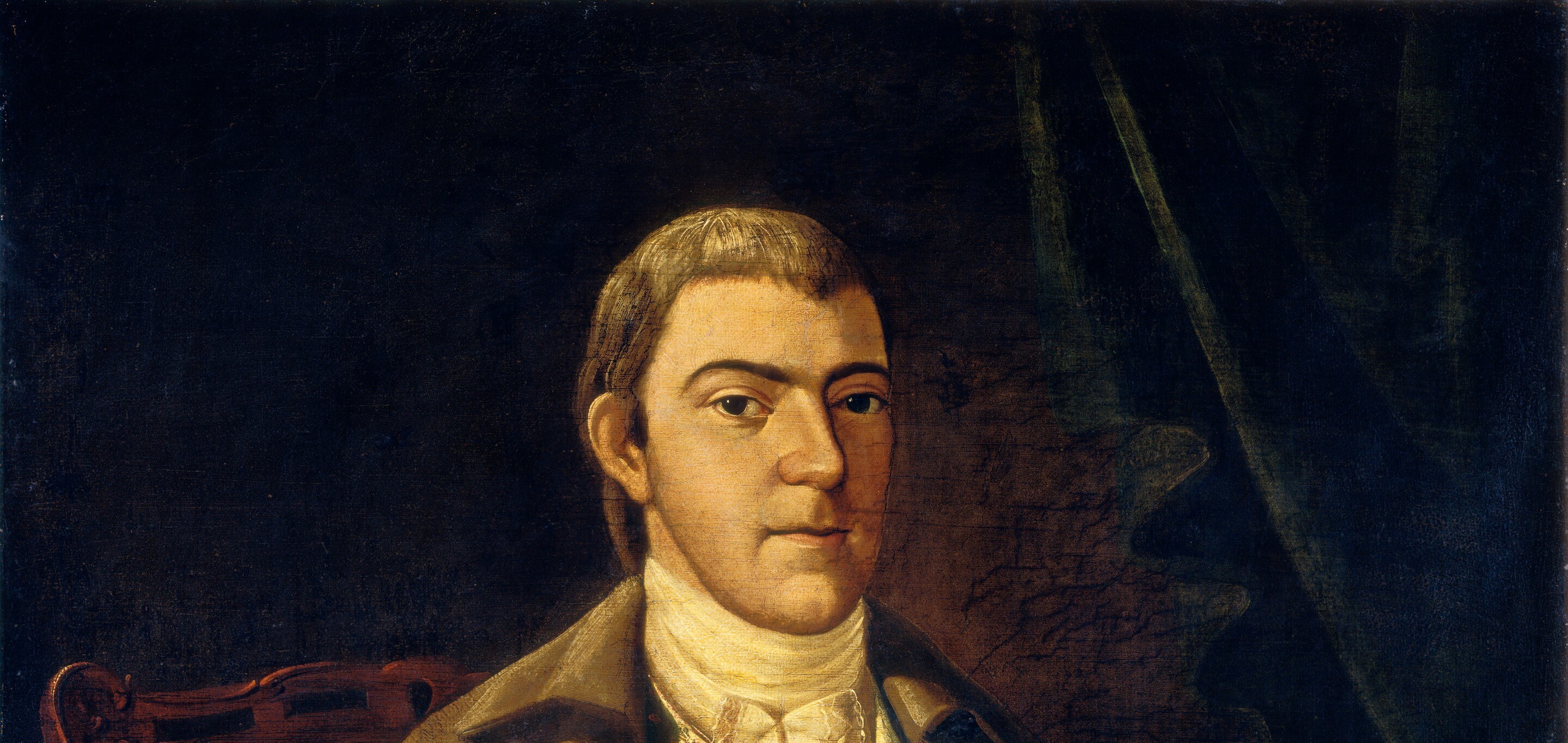
This is Elisha Doane, painted in Massachusetts around 1783 by an artist whose name has been lost. The painting hangs in the National Gallery of Art in Washington, and it is remarkable for what it refuses to do: no column, no drapery, no allegorical props. Just a man in a wooden chair, looking at you.
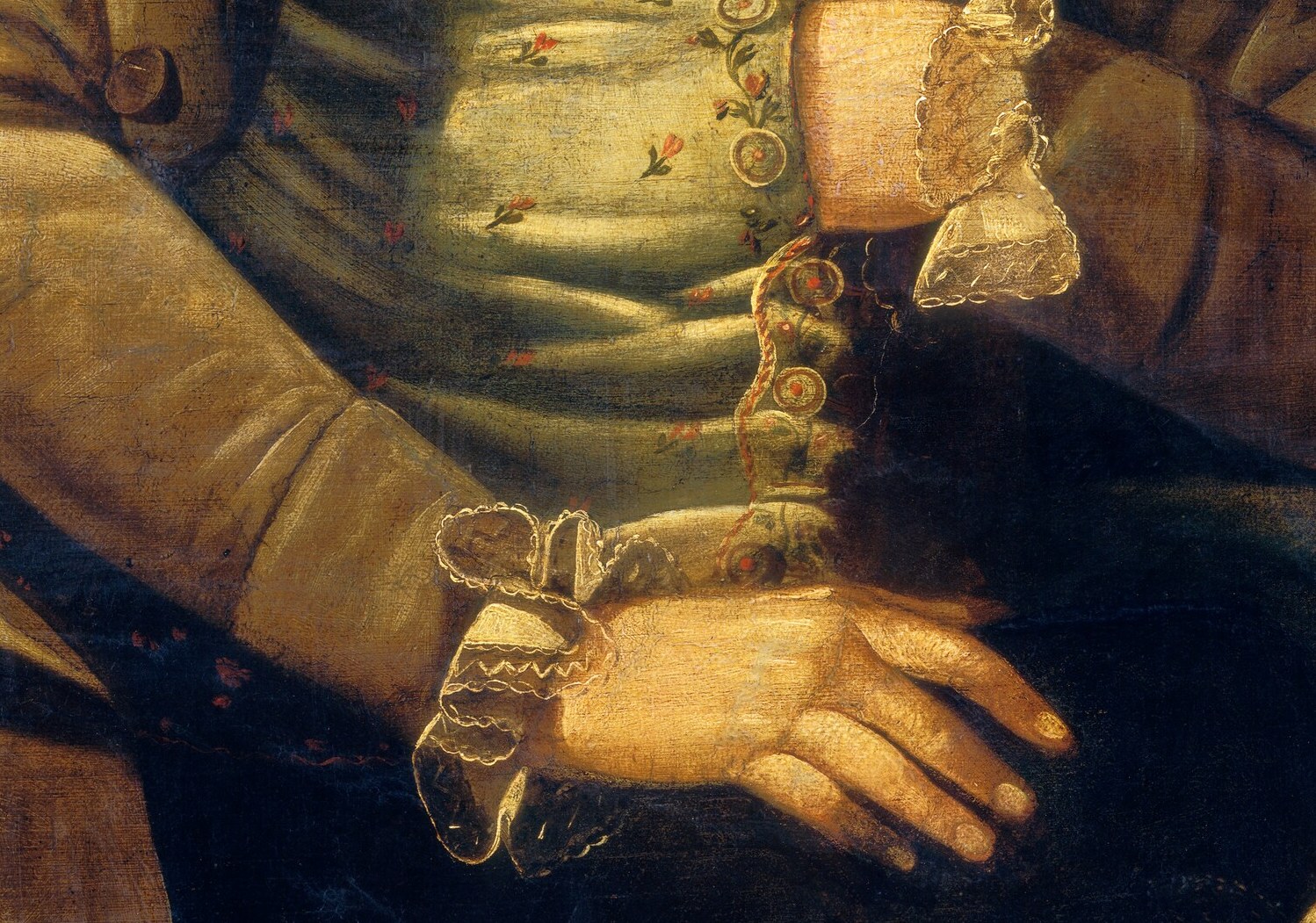
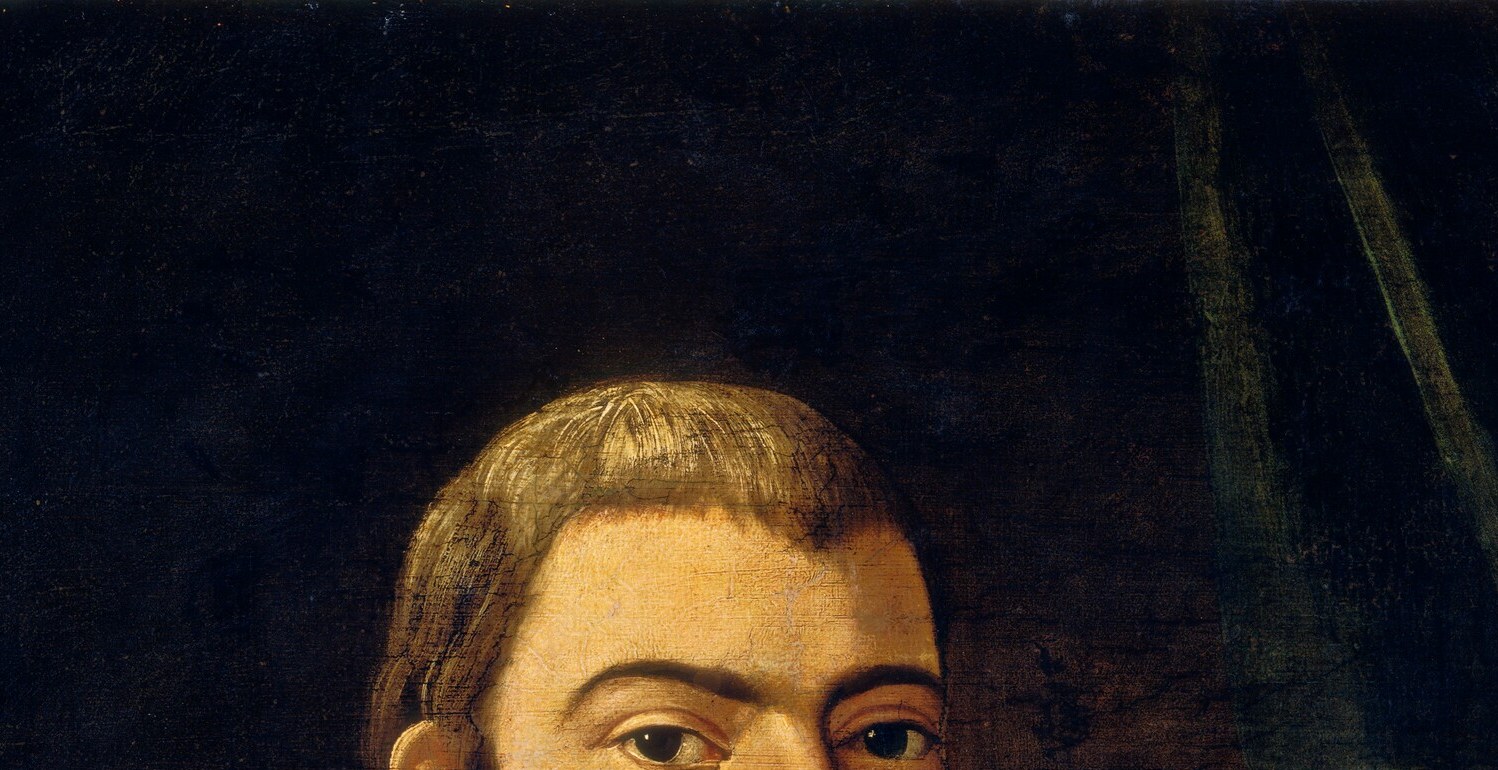
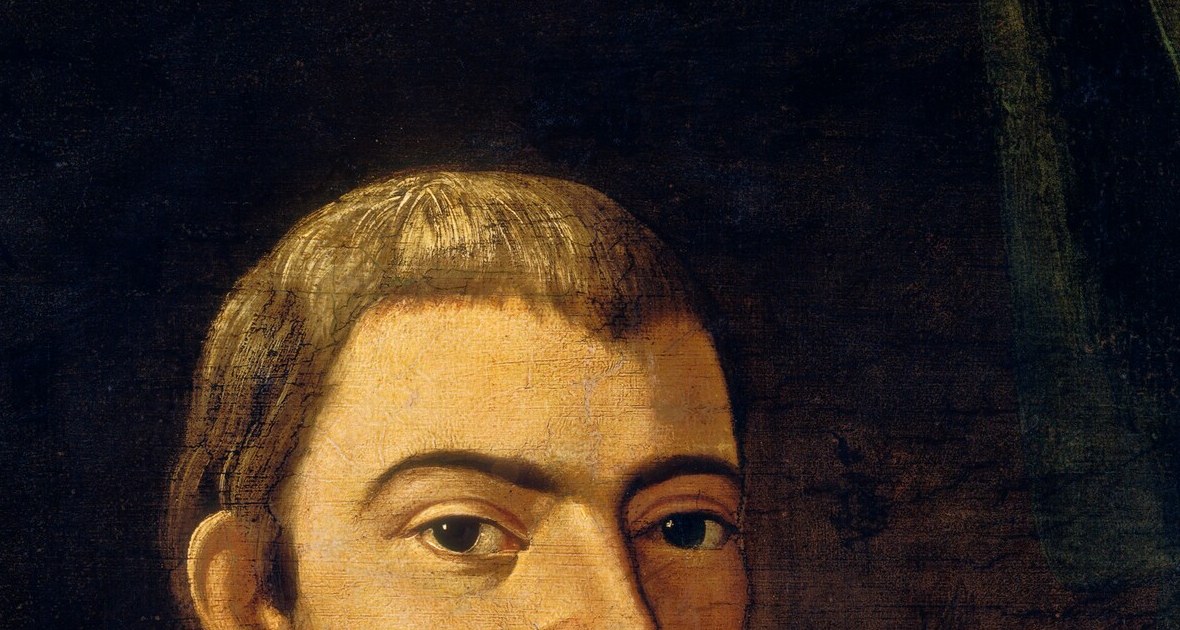
Stay with the eyes. The directness is unnerving. Most colonial portraits give you a distant, idealized face. Doane looks alert, present. The hands are worth examining too, crossed and relaxed, rendered with surprising care on a surface that might be a desk. The lace at his throat tells you he had money, but everything else says he didn't need to perform it.
Doane was a merchant, and a loyalist, meaning he sided with Britain during the Revolution. That political reality makes this defiantly plain portrait even more interesting. He didn't commission a grand British-style portrait, nor a propagandistic American one. He sat for something quieter, more personal.
We don't know the painter. We barely remember the man. But the face remains, and the eyes meet ours with complete clarity. What does a portrait do when it's stripped of everything but the person?
Details
Transcript
He was painted in Massachusetts, around 1783. The artist's name is lost. Only the sitter remains. Elisha Doane. A merchant. A loyalist in a time of revolution. Look at the hands. Relaxed, confident, a man at ease with himself. No powdered wig. No gilded chair. A new American plainness. He looks at you. Not past you. That's the whole painting.