Portrait of a Man by El Greco
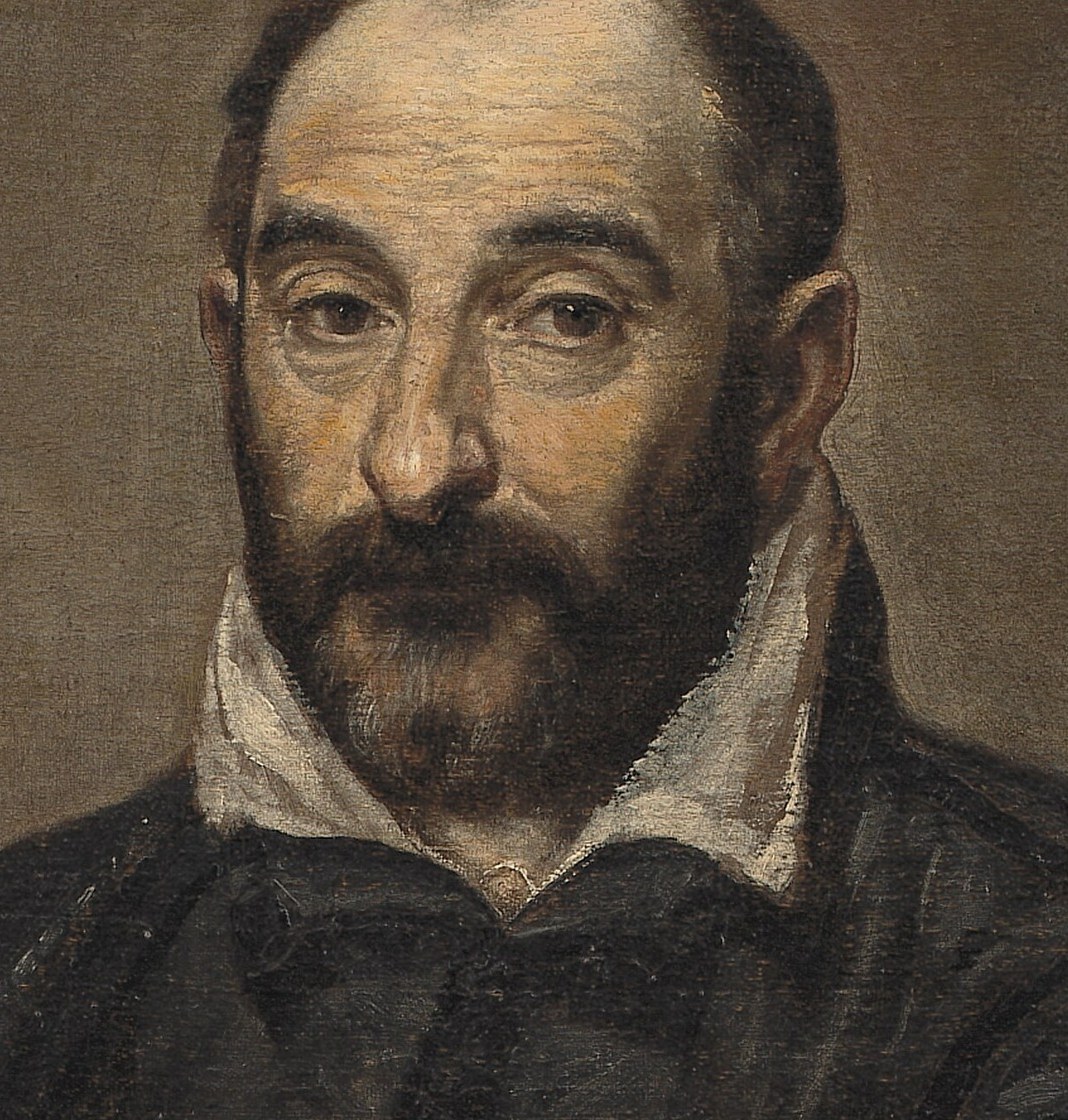
Around 1570, El Greco painted this intriguing "Portrait of a Man", now held at the Statens Museum for Kunst. The subject's dignified pose and attire offer a window into the fashion and intellectual life of the late 16th century.
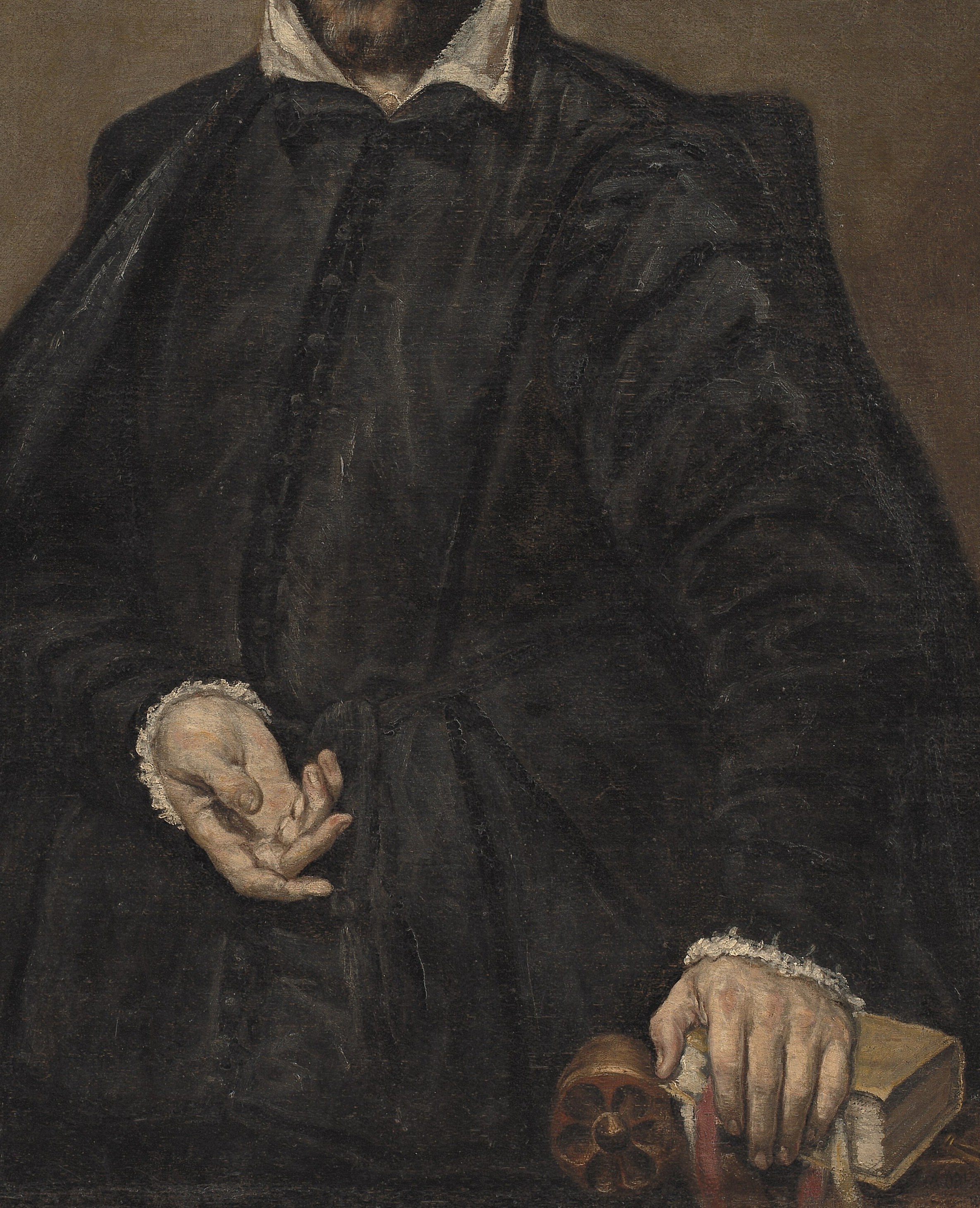
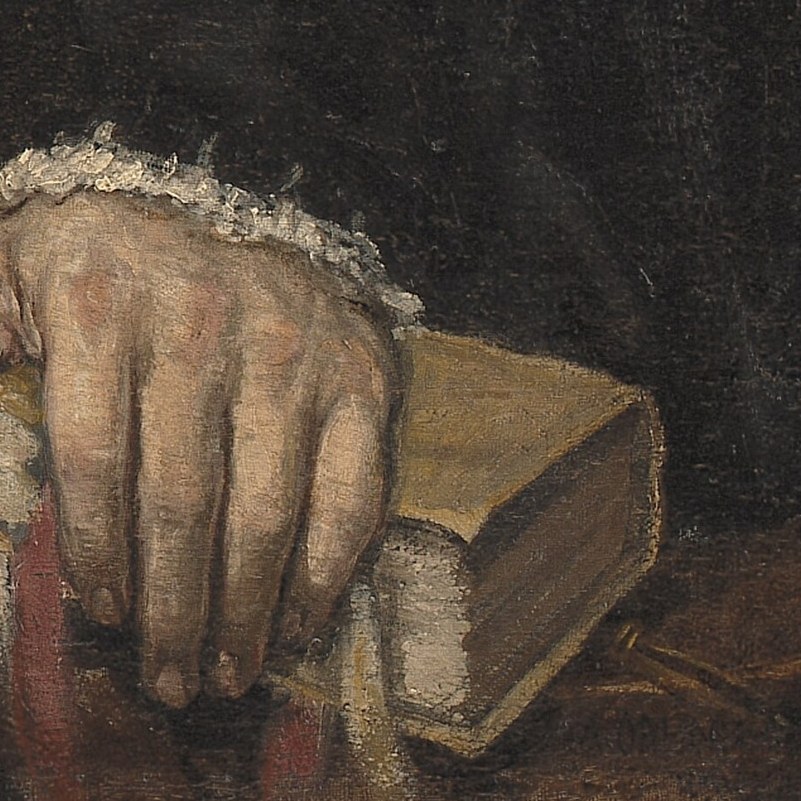
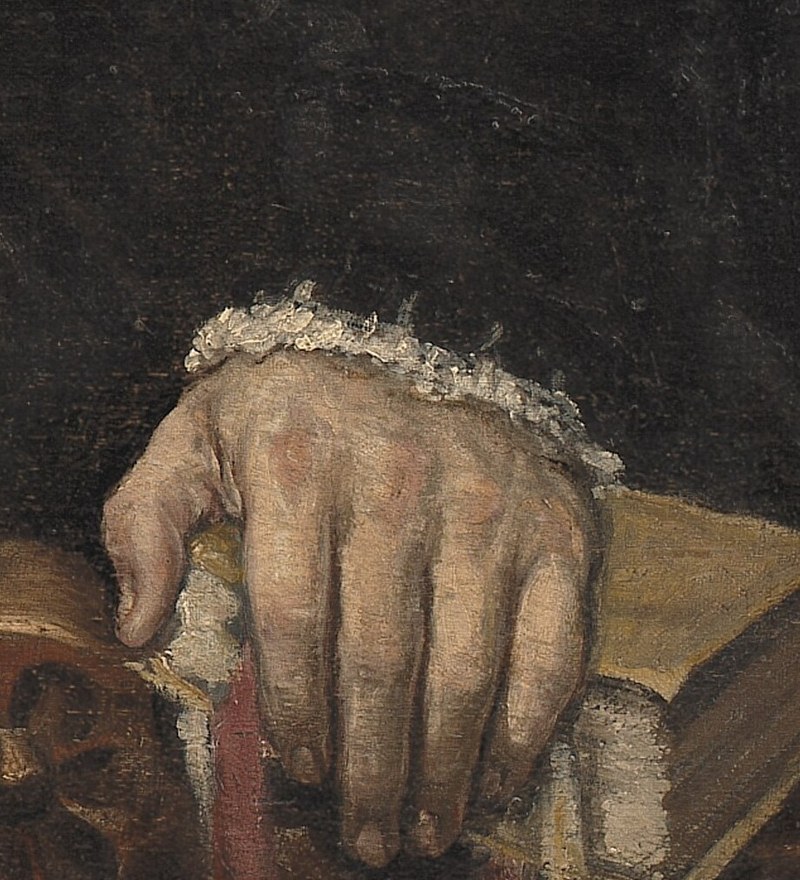
Notice the crisp white collar and voluminous dark robe. These were not just fashion choices, but clear indicators of wealth and status in that era. The careful rendering of his hands, particularly the one resting on the book, points to a man of refinement and thought.
While the sitter is not definitively identified, he is thought to be Andrea Palladio, a leading architect of the Italian Renaissance. The inclusion of the leather-bound book suggests his scholarly nature and intellectual pursuits, fitting for a figure of Palladio's renown. El Greco's use of elongated proportions and dramatic contrast reflects the Mannerist movement prevalent during his early career in Italy.
This painting provides a fascinating glimpse into a specific moment in art history and the individuals who shaped it. What details catch your eye first?
Details
Transcript
Around 1570, this painter captured a man of his time. His crisp white collar was a marker of status. The voluminous dark robe was also a sign of wealth. This man is thought to be Andrea Palladio, a famous architect. The book signifies his scholarly pursuits and intellectual standing. This painter often elongated his figures, a Mannerist style.