Family Portrait by Drouais, François-Hubert
François-Hubert Drouais's "Family Portrait," painted in 1756 and now at the [Museum Name], is more than just a likeness of its sitters; it's a carefully constructed narrative.
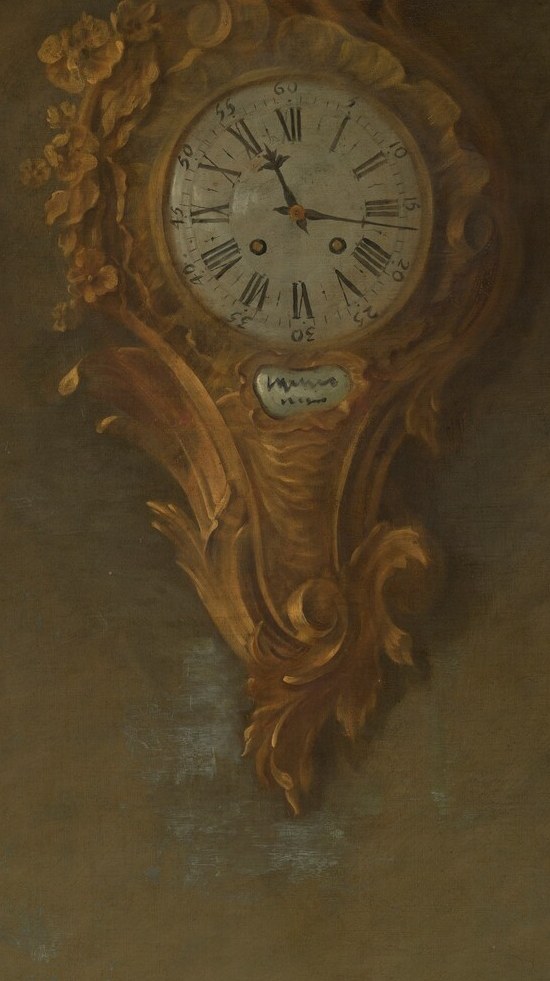
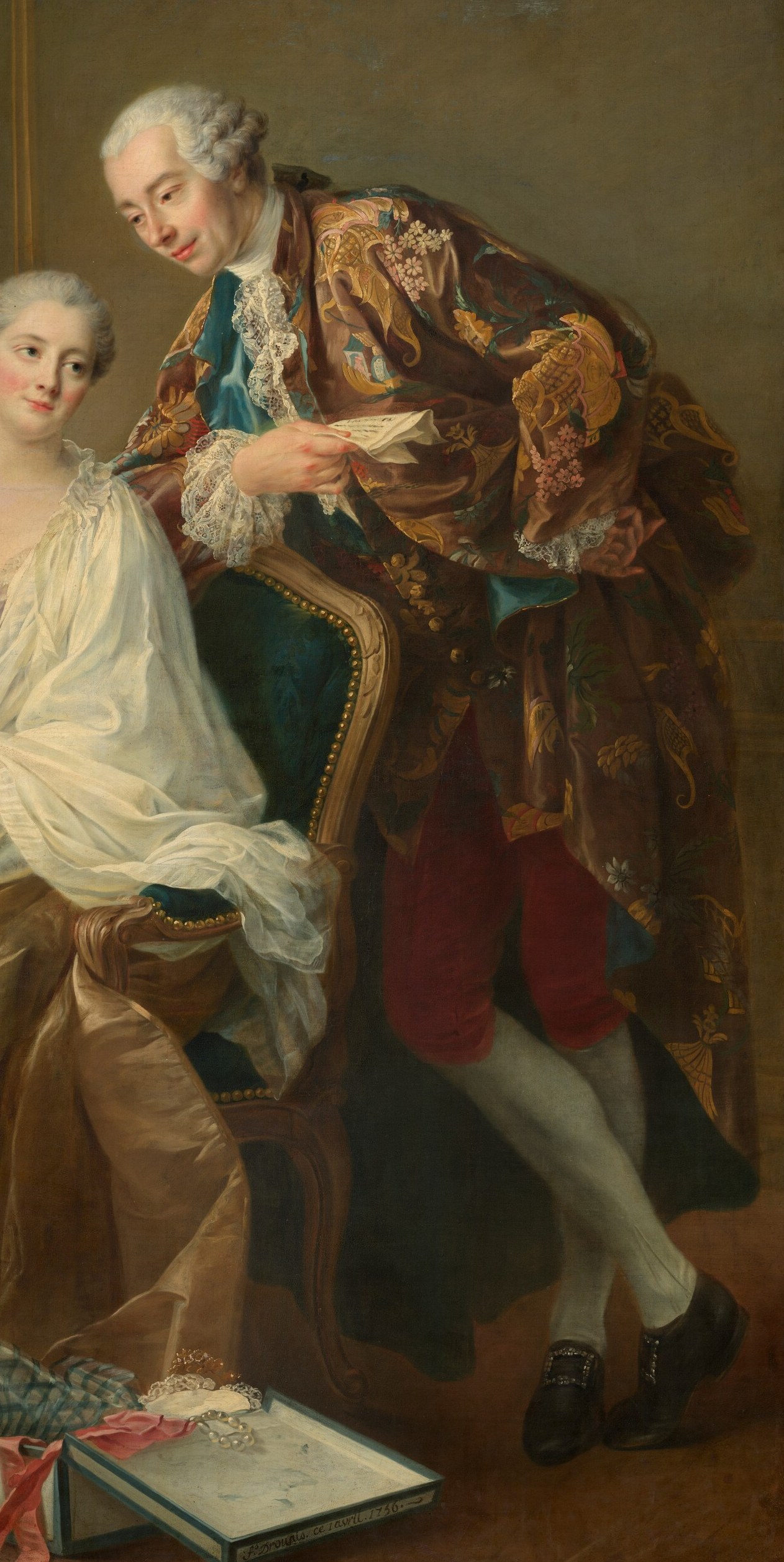
Look closely at the document the man holds, a clear indicator of their social standing. The ornate wall clock reminds viewers of the relentless march of time, a common theme in 18th-century art, while the innocent flower in the child's hand speaks to youth's fleeting beauty.
Drouais, a prominent portraitist of his era, masterfully blended these symbolic elements into a seemingly straightforward domestic scene. Each detail was chosen to convey deeper messages about the family's status, aspirations, and the ephemeral nature of life itself.
What other hidden meanings do you think Drouais might have included?
Details
Transcript
This family portrait, painted in 1756, holds hidden meanings. The document in his hand is a symbol of their importance and wealth. This painter often included clocks to mark the passage of time. The child's flower symbolizes youth and innocence. She looks directly at him, linking her future to his legacy. Together, these objects tell a silent story of a family's hopes.