Portrait of a Man by Dieric Bouts
This is Dieric Bouts's "Portrait of a Man," painted around 1470 and now housed at The Metropolitan Museum of Art. It exemplifies the Northern Renaissance interest in capturing an individual's inner life and psychological depth through meticulous detail and direct engagement.
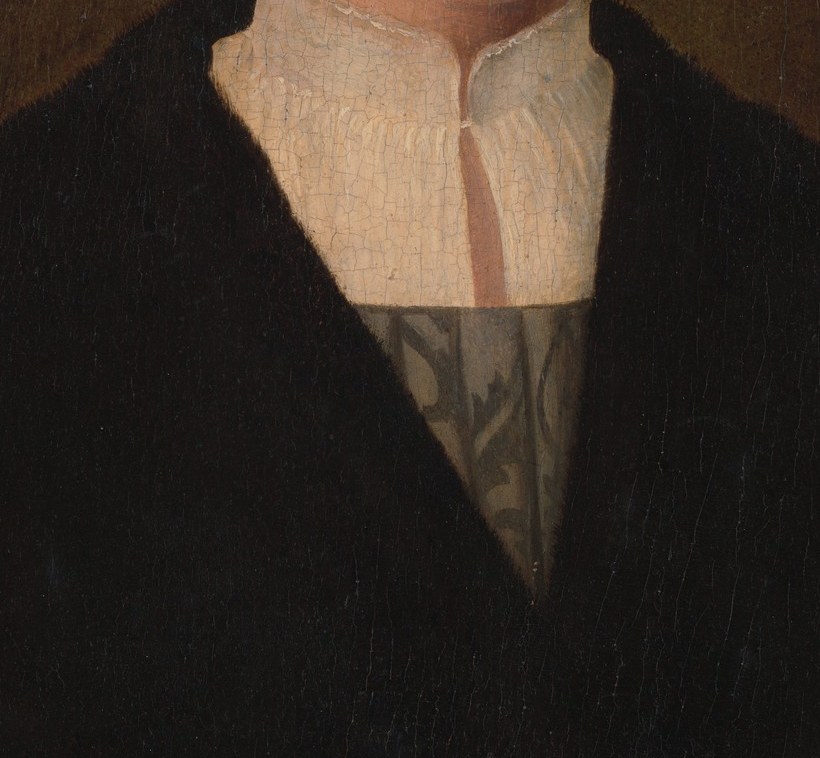
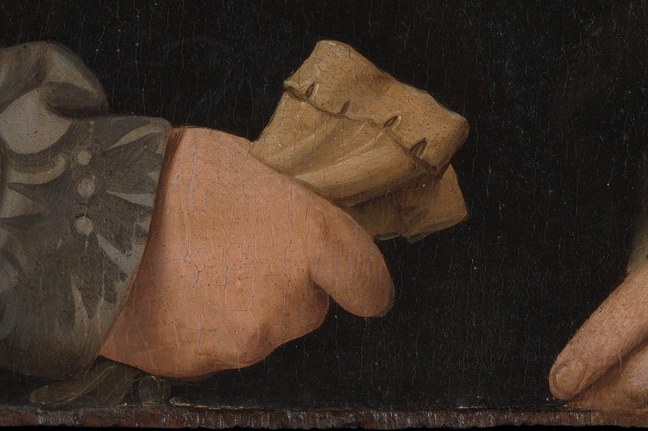
Observe how the sitter's face dominates the composition, his gaze unwavering and thoughtful. His hands are clasped, a gesture often associated with piety or deep contemplation. The artist uses light and shadow to give the face volume and realism, emphasizing the finely cracked skin texture.
Dieric Bouts, an influential Early Netherlandish painter, was known for his realistic style and innovative use of perspective. This portrait, created in oil on panel, reflects the period's move towards more individualized representation, moving beyond purely symbolic or religious imagery to focus on the specific character of the sitter.
This painting invites us to consider what was considered a true representation of a person in the 15th century.
Details
Transcript
This man's face stares right at you. His eyes show a keen, observant mind. He looks like he holds his own counsel. The skin texture looks finely cracked. Light models his face from the left. The dark background pushes him forward. Dieric Bouts painted this in 1470. Northern painters showed inner states.