A young Woman by Pietro Rotari
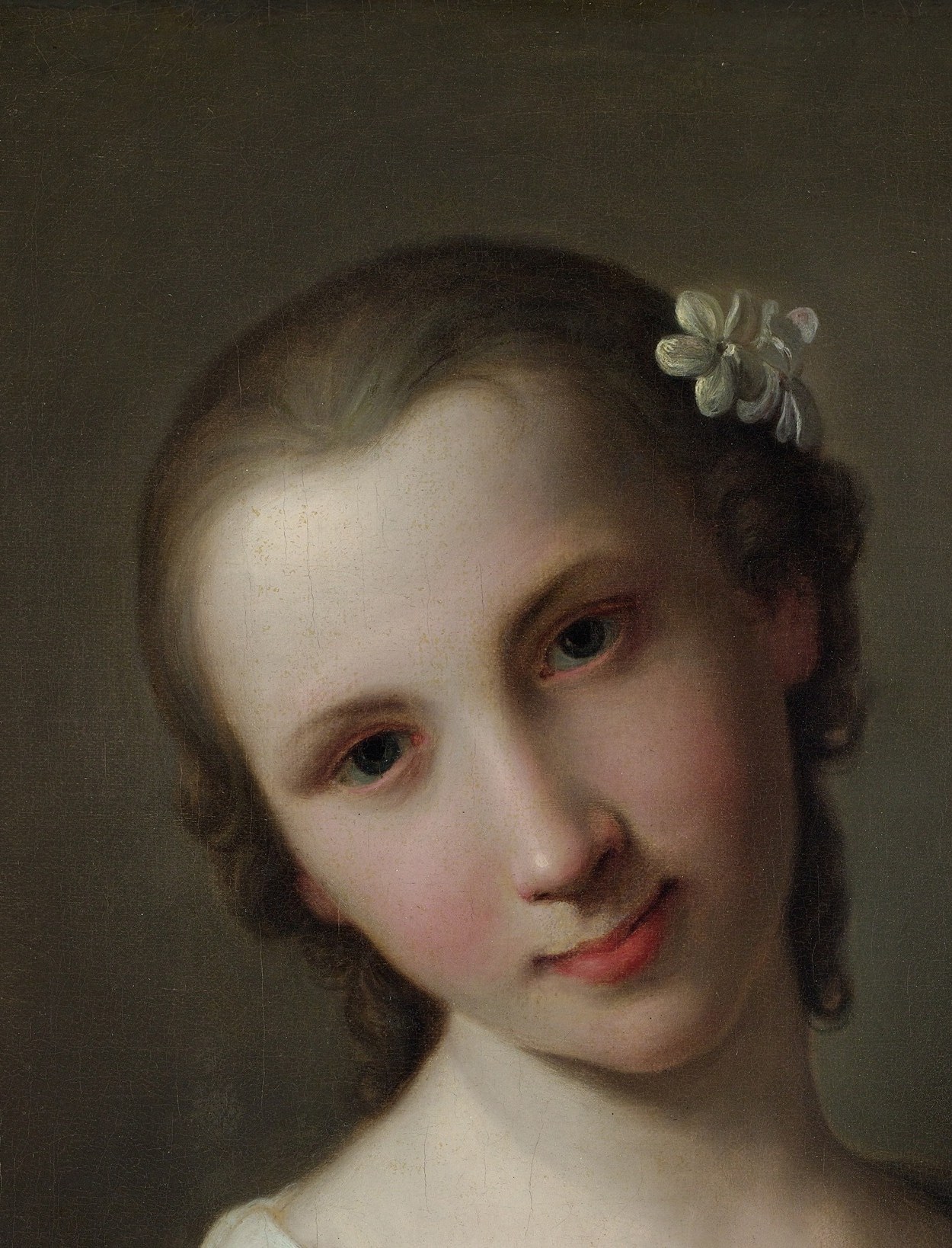
"A Young Woman" is one of the most charming faces in the Rijksmuseum. She was painted in 1759 by Pietro Rotari, an Italian Baroque artist who found his greatest fame not in Verona, where he was born, but in the glittering court of Saint Petersburg.
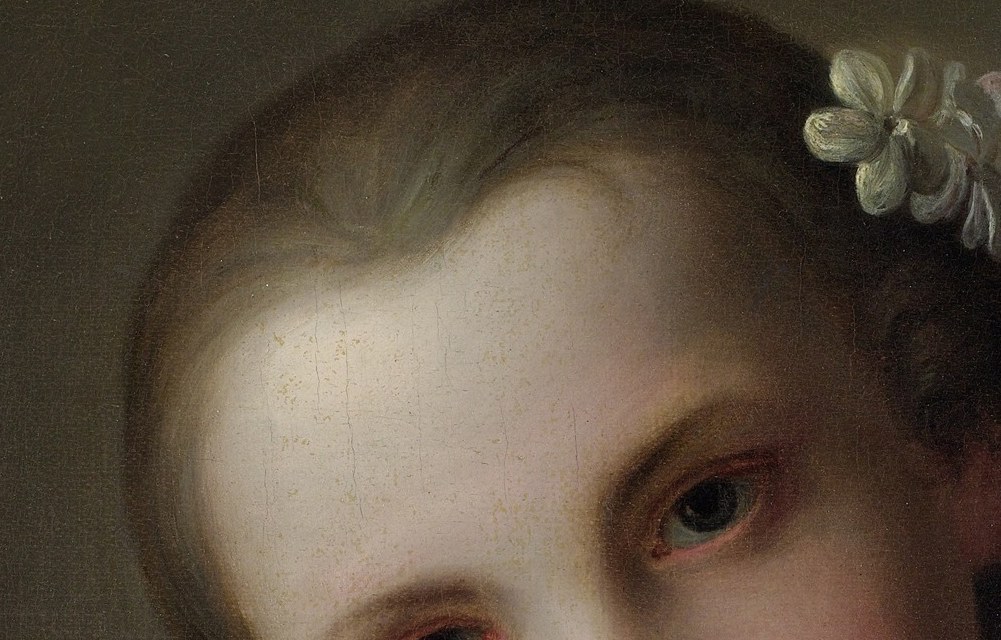
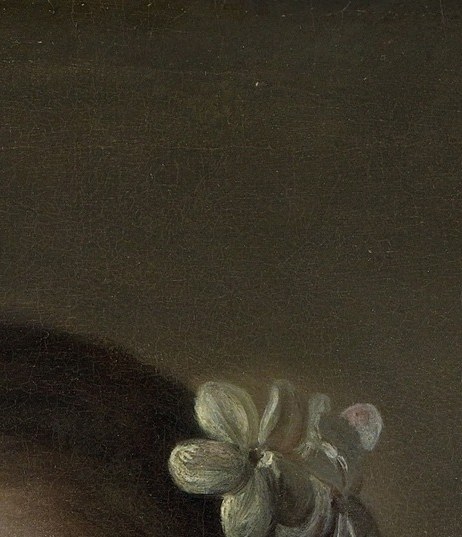
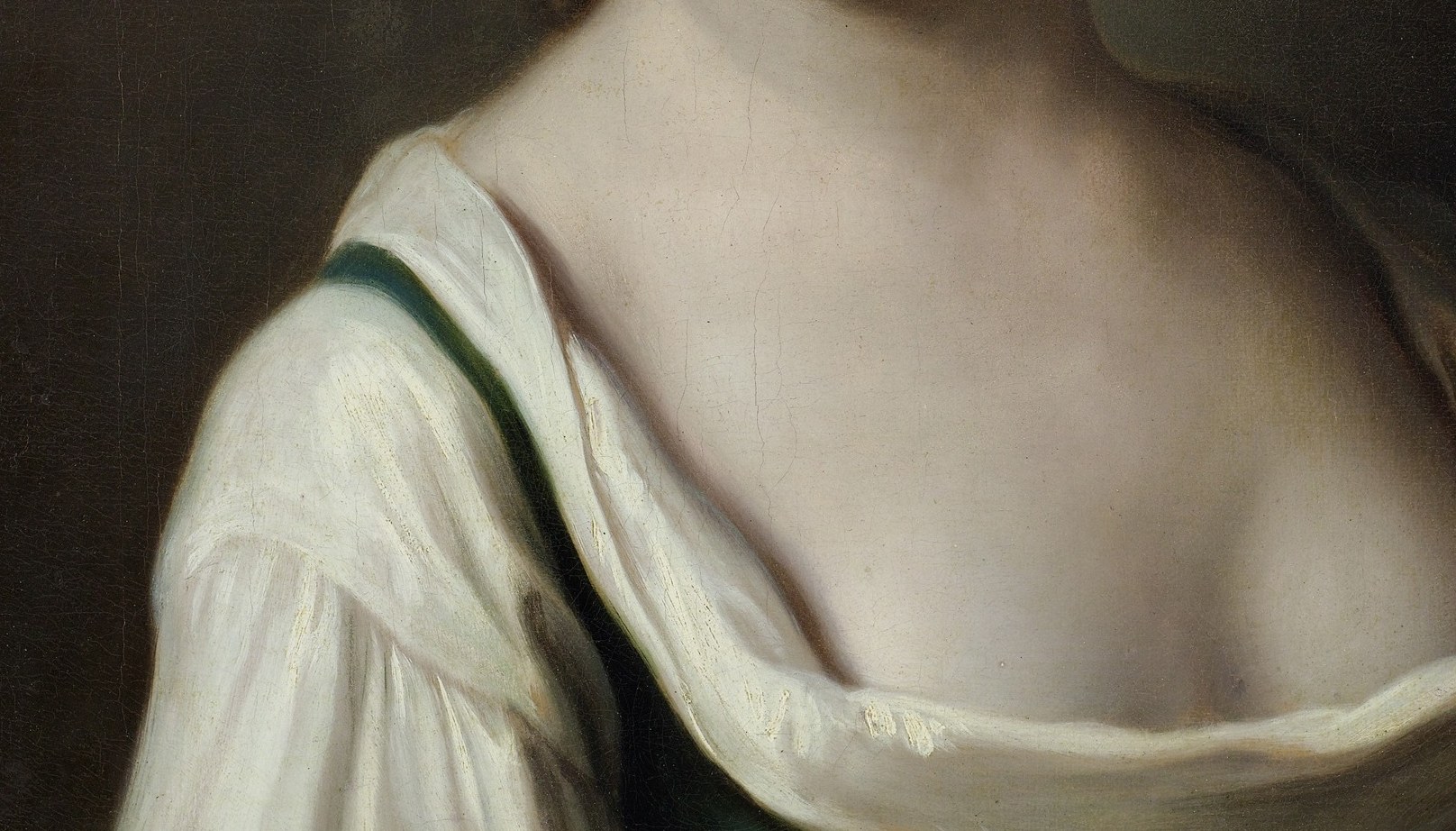
Look at the small white flower tucked into her hair. It is the key to the whole picture. The flower is a reward for looking closely, a symbol of innocence tucked into an otherwise carefully staged scene of informality. Her chemise has slipped off her shoulder, her hair is casually swept up, and her expression rests in that perfect Rococo zone between shy and knowing. It is all a performance of a private moment.
Rotari came to Russia in 1756, called by Empress Elizabeth to be her court painter. She commissioned what became his life's work: a cabinet of paintings known as "The Gallery of Beauties." He was tasked with painting the young noblewomen of her court. Over six years, he produced more than three hundred nearly identical small portraits, each one a variation on the same idealized face. They were installed together, a living catalogue of aristocratic allure.
She is not one woman. She is a formula. An algorithm for beauty written in oil paint. Yet looking at her still works. What does that say about us, that a perfume-counter prototype from 1759 can still stop a thumb on a screen?
Details
Transcript
1759. Verona's prodigal son has disappeared into Russia. His name: Pietro Rotari. Empress Elizabeth's pet. She paid him a small fortune to paint one thing. Young women. Just like her. Hundreds of them. Rotari delivered. Three hundred and sixty faces. A cabinet of beauties. Empress Elizabeth's living yearbook.