A Windmill on a Polder Waterway, Known as ‘In the Month of July’ by Paul Joseph Constantin Gabriël

This is Paul Joseph Constantin Gabriël's 'A Windmill on a Polder Waterway, Known as In the Month of July,' painted around 1889 and now in the Rijksmuseum. It is a quiet but firm rebuttal to an entire art movement.

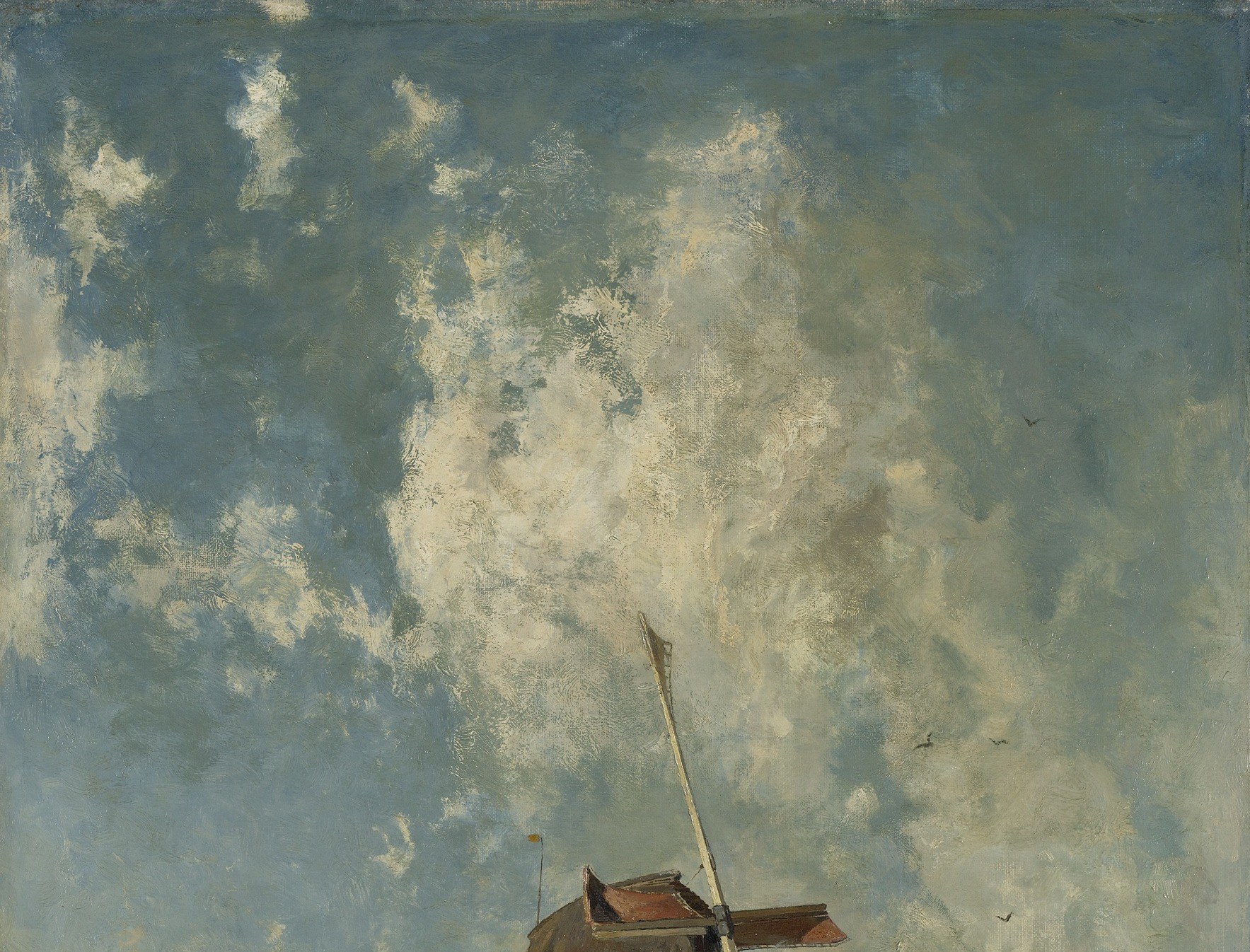
Gabriël belonged to the Hague School, a group of Dutch painters who typically favored muted, grey tonalities. He disagreed and wrote plainly: 'our country is saturated with colour.' Here we see his evidence. The grass is a vivid, textured green and the sky is a dynamic blue, all completely unapologetic.

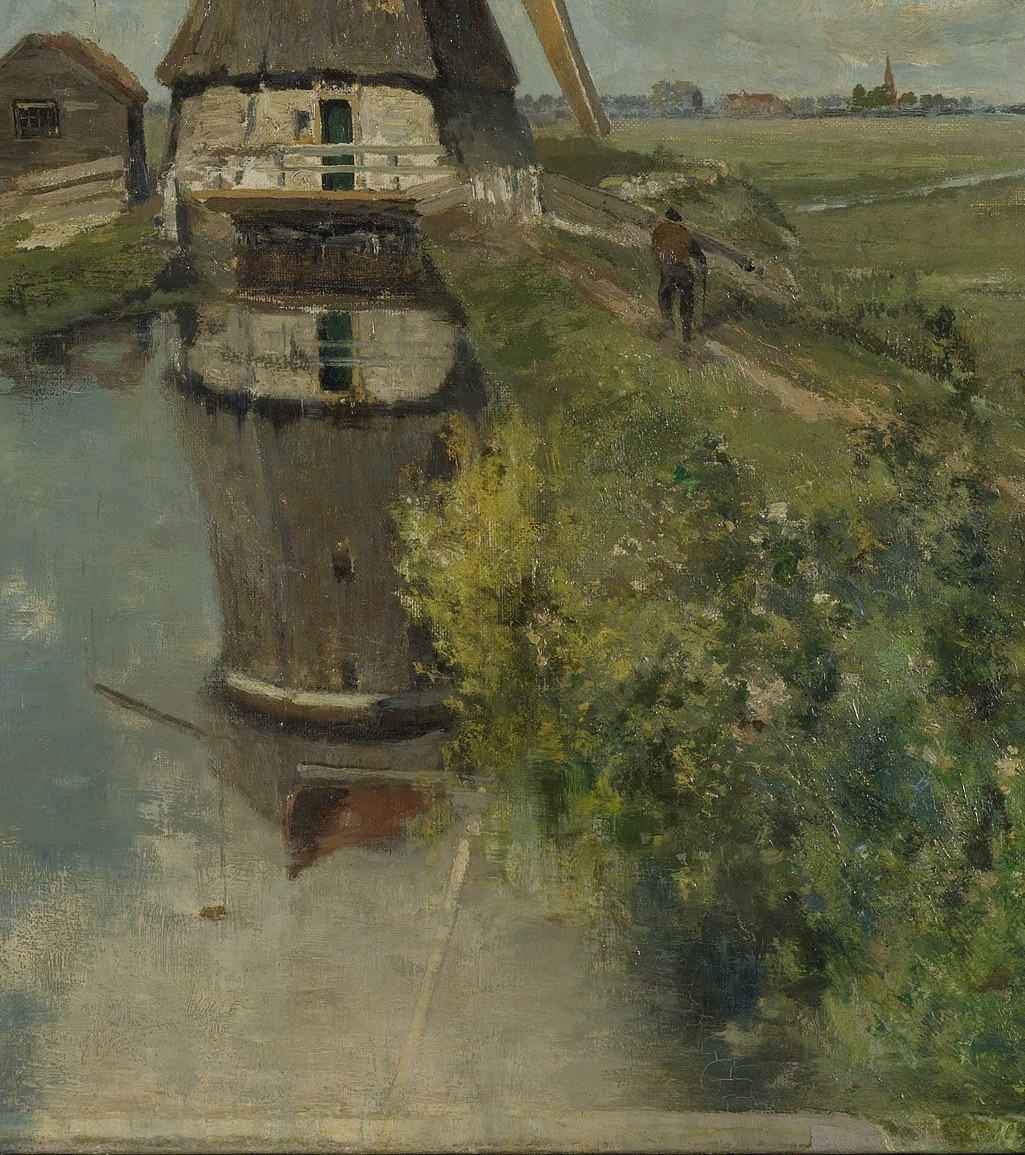
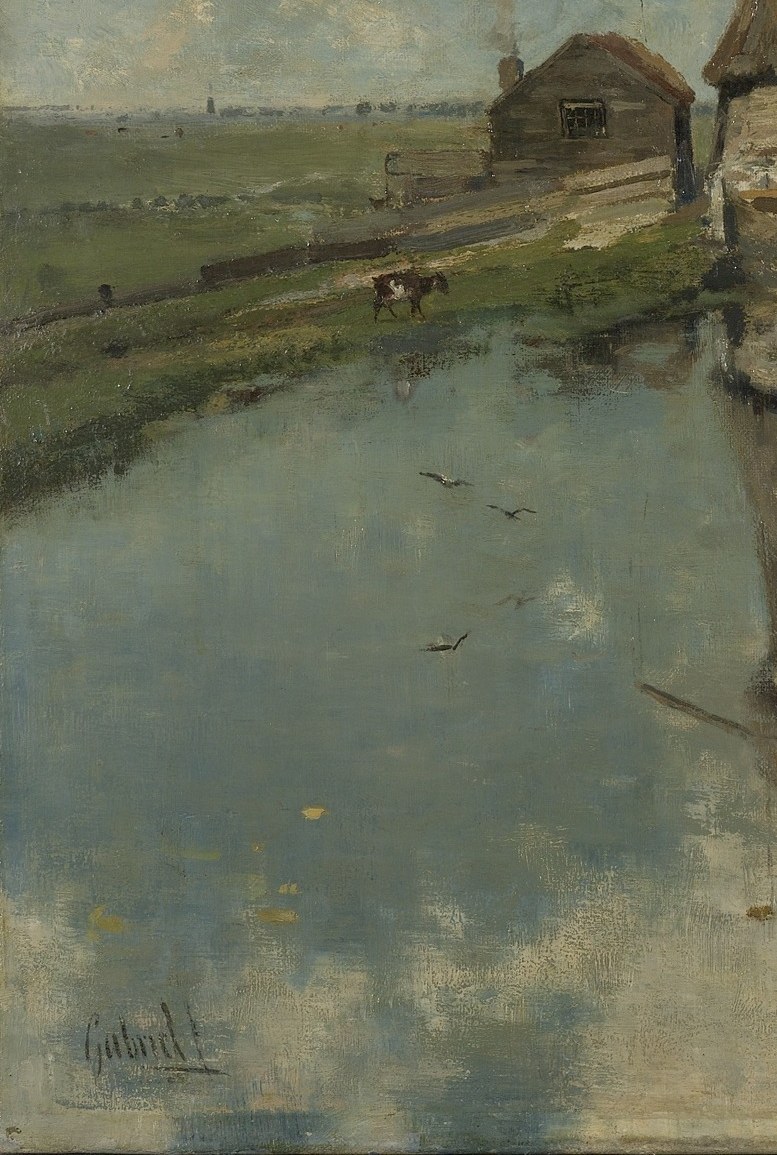
The still canal running through the center of the composition is his secret weapon. By reflecting the windmill, the clouds, and the banks perfectly, he forces you to see this bright summer day twice. The reflection isn't just a visual trick; it is an argument that the landscape is so vivid it demands a mirror, not a mist.

What other paintings feel like a deliberate argument against the style of their own time?

#arthistory #hagueschool #dutchlandscape

Details
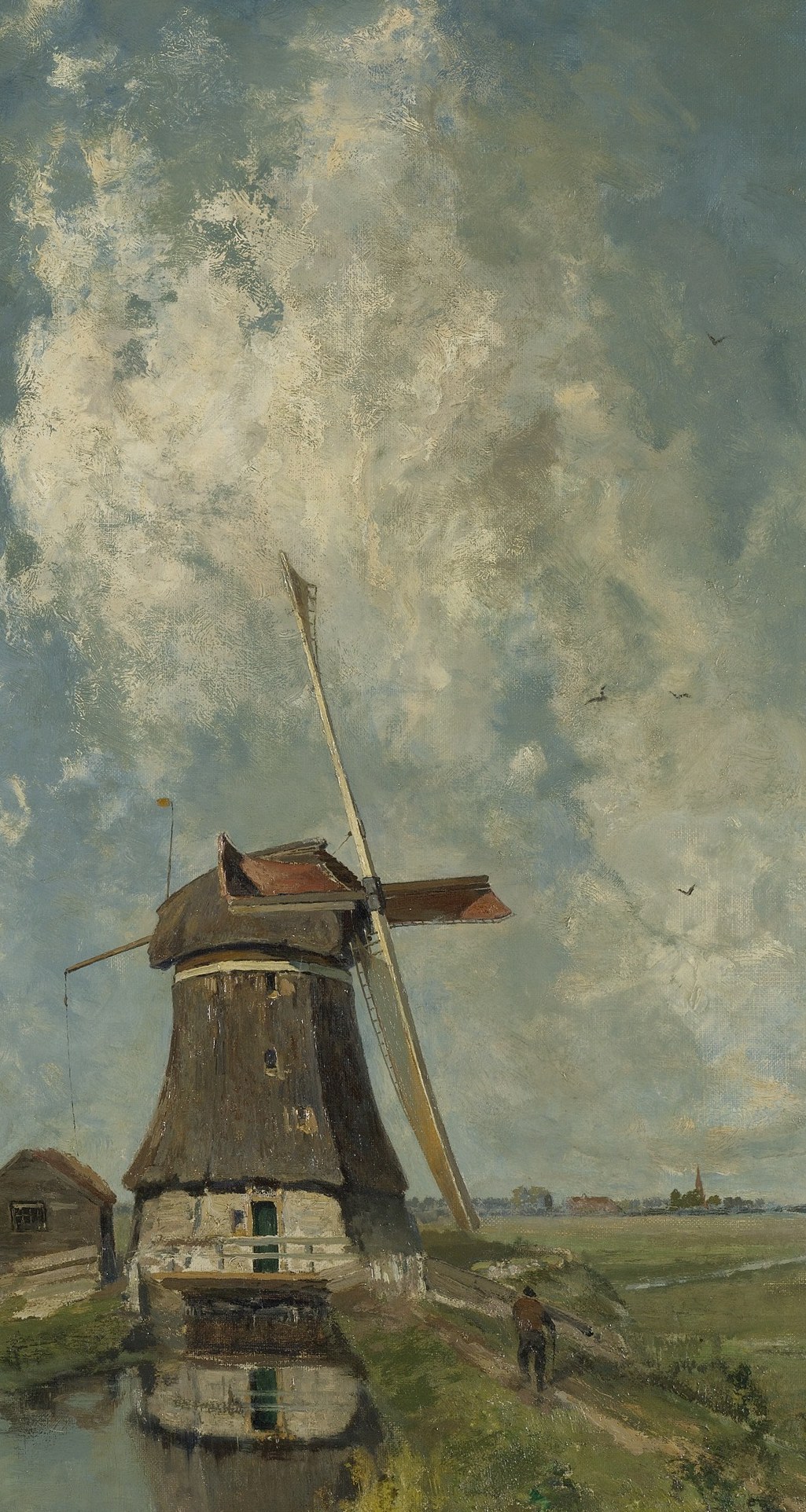
The compositional anchor; its mass and height dominate the canvas and draw the eye upward into a turbulent sky, the sails nearly spanning the full picture width
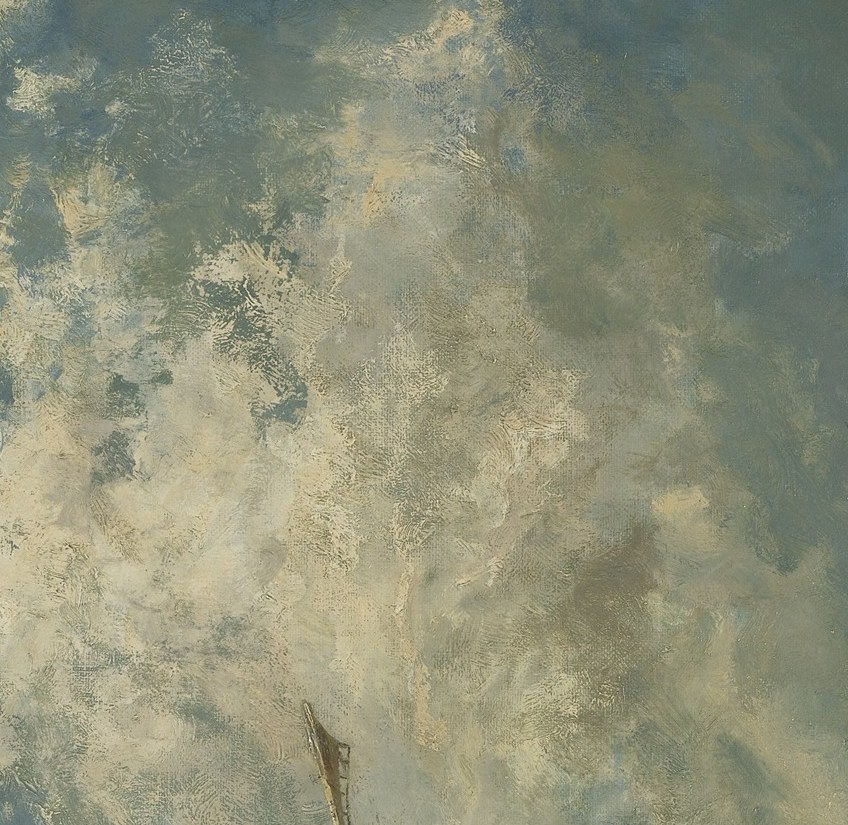
Gabriël's rejection of Hague School grey tonality is most visible here , the sky is luminous and warm, with active cloud masses that animate an otherwise static scene
The mirror-perfect doubling of the mill in the waterway is the painter's central technical conceit , a second painting within the painting, slightly darkened and rippled at the edges
Close inspection reveals the structural carpentry of the cap housing and the wooden sail frames , a period-accurate engineering document of a 19th-century Dutch smock mill
The left half of the canal mirrors the sky; together with the windmill reflection the entire composition is doubled, making the water as visually rich as the land above
Transcript

The Hague School was known for grey skies and muted tones. This painter rejected that. He said Holland is saturated with color. Look at the water. It doubles everything. The mill, the clouds, the grass. All given to you twice. The still canal is his argument. Color deserves a mirror, not a mist. One bright summer day, and you receive it in stereo.