Bridge at Argenteuil on a Gray Day by Monet, Claude
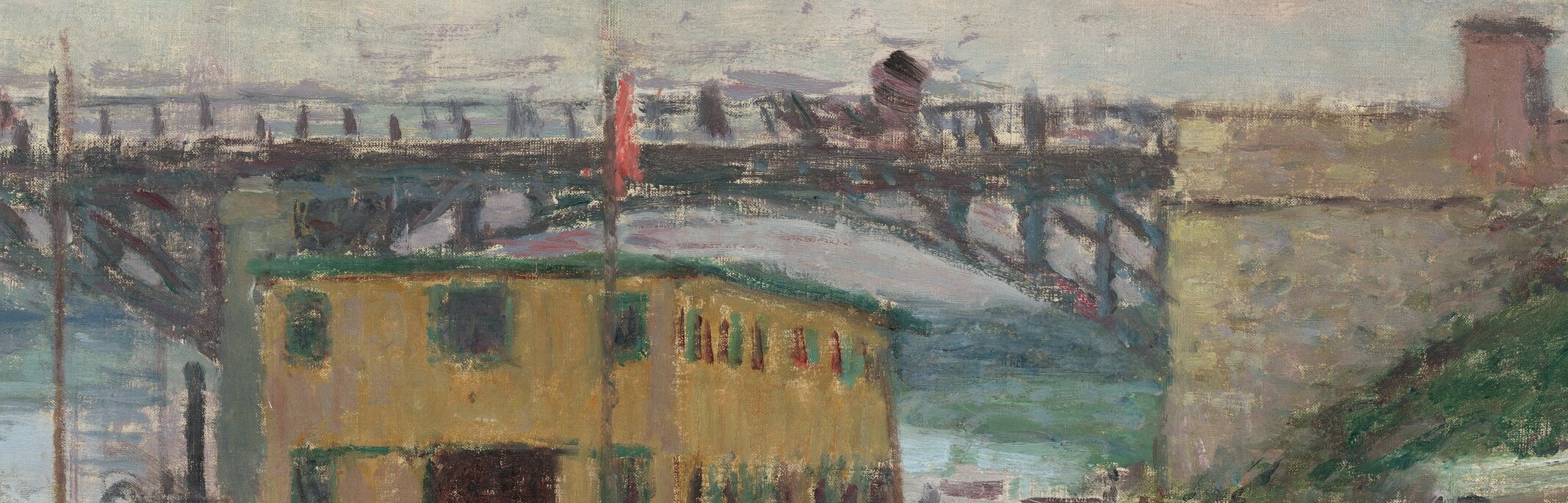
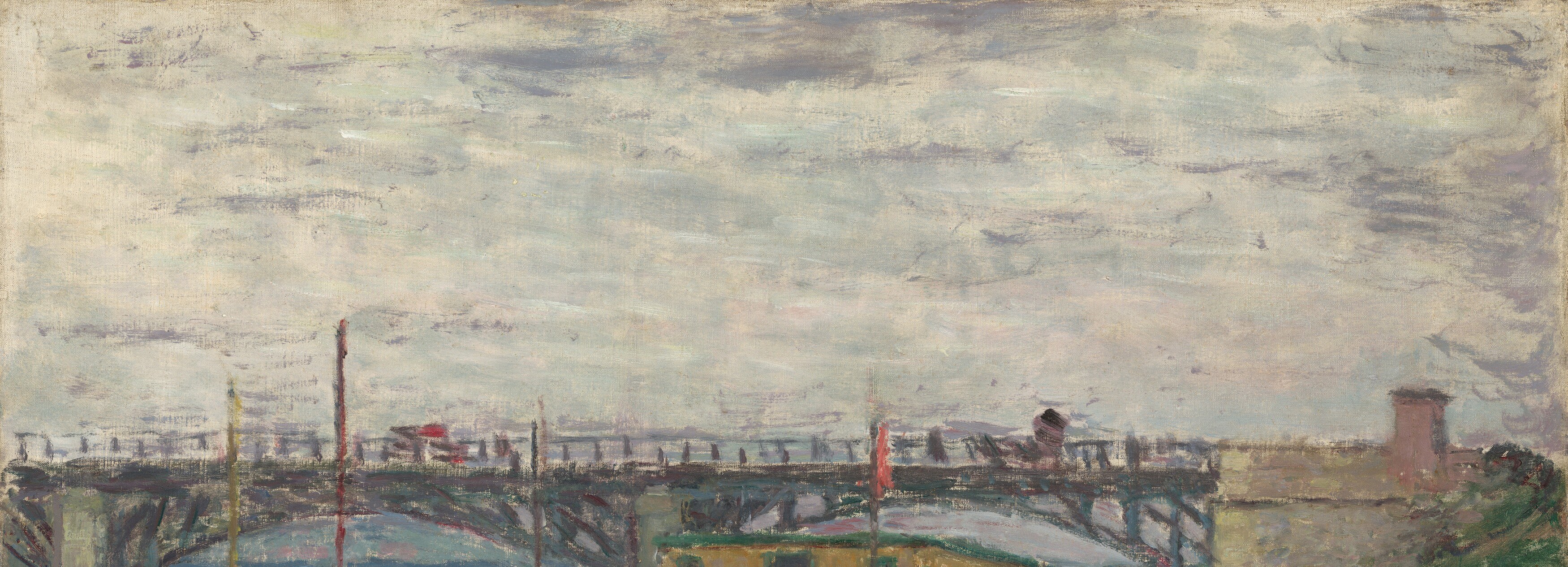
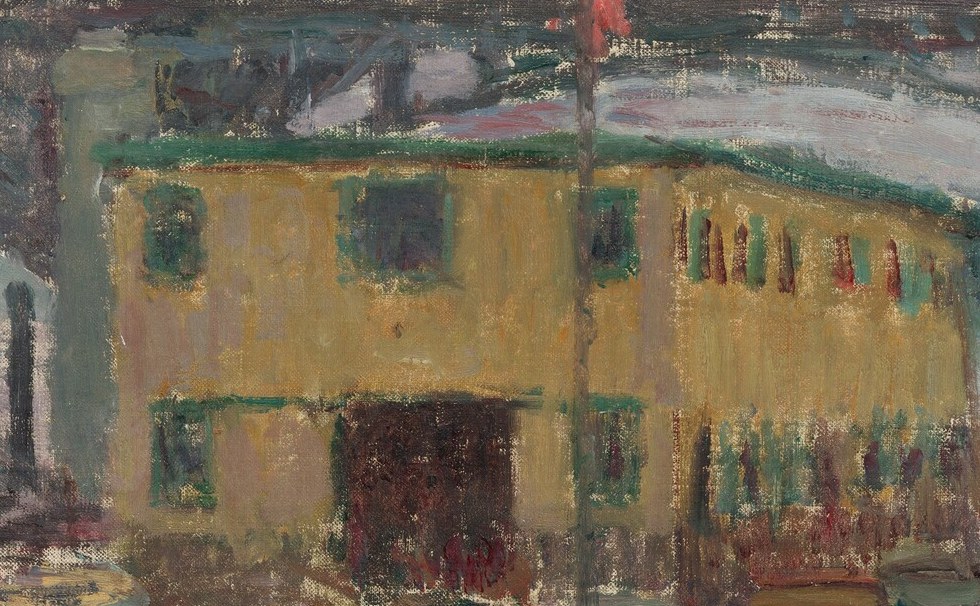
Claude Monet's 'Bridge at Argenteuil on a Gray Day,' painted around 1876 and now in a private collection, offers a muted yet insightful view of a changing French landscape. This painting captures the railway bridge spanning the Seine at Argenteuil, a suburb where Monet lived and frequently found inspiration. The artist masterfully uses loose, rapid brushstrokes to convey the atmospheric effects of an overcast sky, creating a tranquil scene dominated by grays and blues.
While the overall mood is calm, a closer look reveals subtle hints of modernity. A small, solitary figure rows a boat beneath the bridge, providing a sense of human presence. But it's the tiny red train crossing the bridge that truly grounds this scene in its time, illustrating the blend of nature and industry.
Monet's residence in Argenteuil was a pivotal period for his Impressionist style. He tirelessly studied the fleeting effects of light and atmosphere on everyday scenes, making this bridge a recurring motif in his work. This particular piece exemplifies his ability to infuse a seemingly ordinary landscape with profound observations on contemporary life.
What other hidden details do you notice in Monet's portrayal of this industrial river scene?
Details
Transcript
This bridge crosses the Seine, just outside Paris. The painter lived in Argenteuil and often painted here. It was a modern industrial landscape, painted on a gray day. Yet, a small boat still provides a sense of quiet solitude. Look closely at the bridge itself, on the left side. A red train crosses, a subtle detail of modern life.