Quintilia Fischieri by Barocci, Federico
For centuries, Federico Barocci's "Quintilia Fischieri" (c. 1600) was mistakenly identified as a portrait of the artist's wife. This oil on canvas, housed in a prestigious collection, holds a fascinating secret.
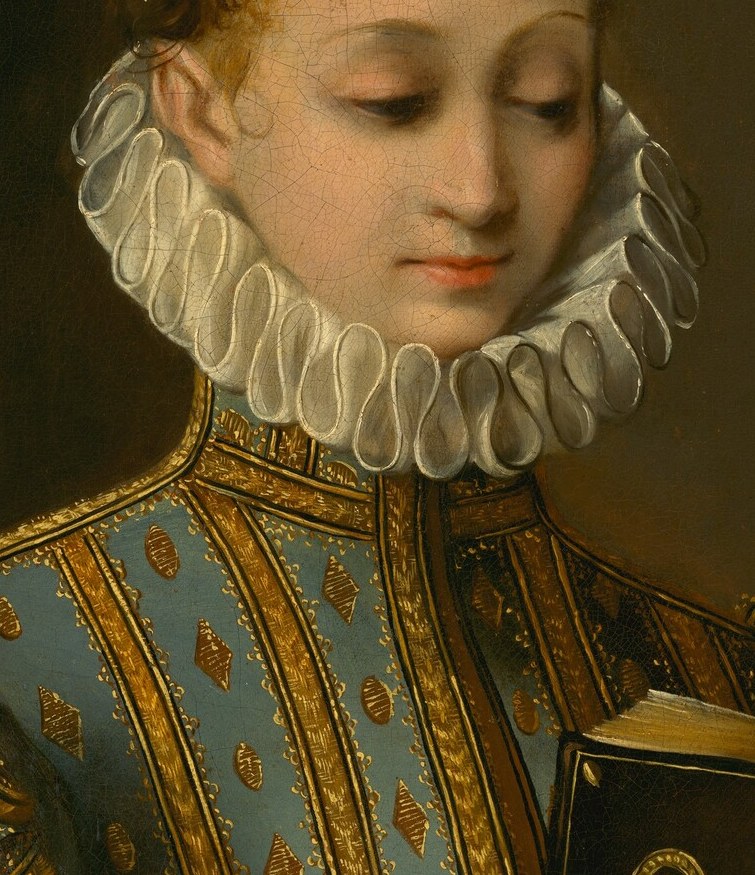
Look closely at the woman's serene expression. It wasn't until the 1920s that X-ray technology revealed an earlier painting beneath this surface, exposing a surprising history. The work was re-attributed, and the true identity of the sitter, Quintilia Fischieri, came to light.
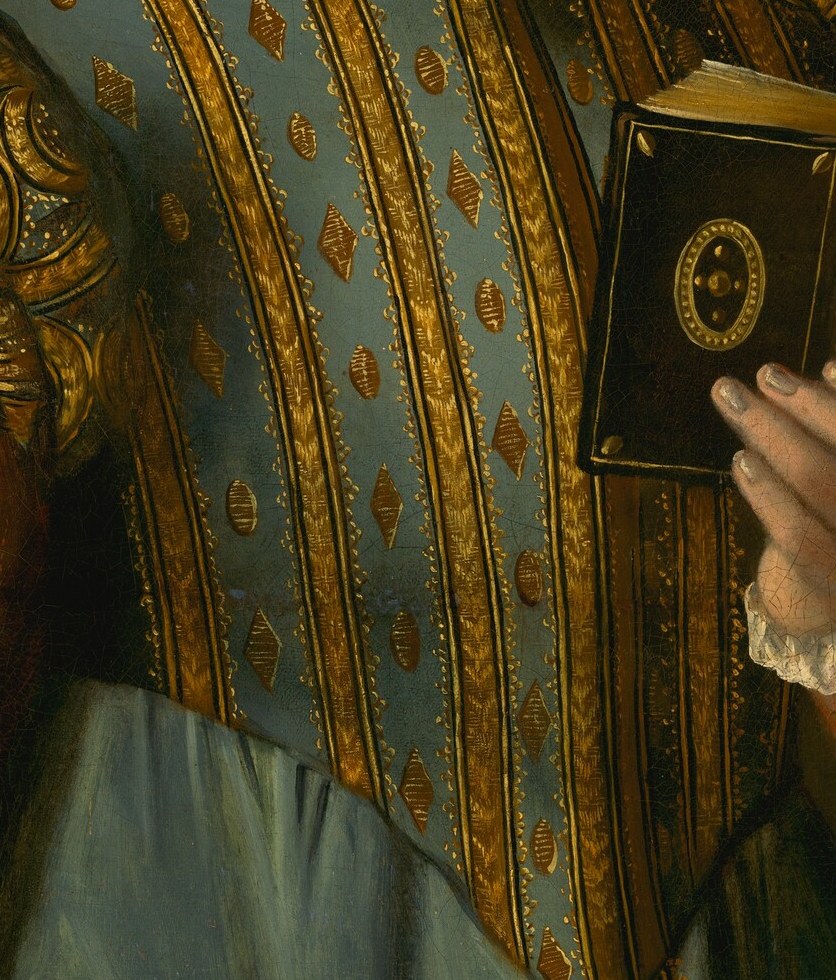
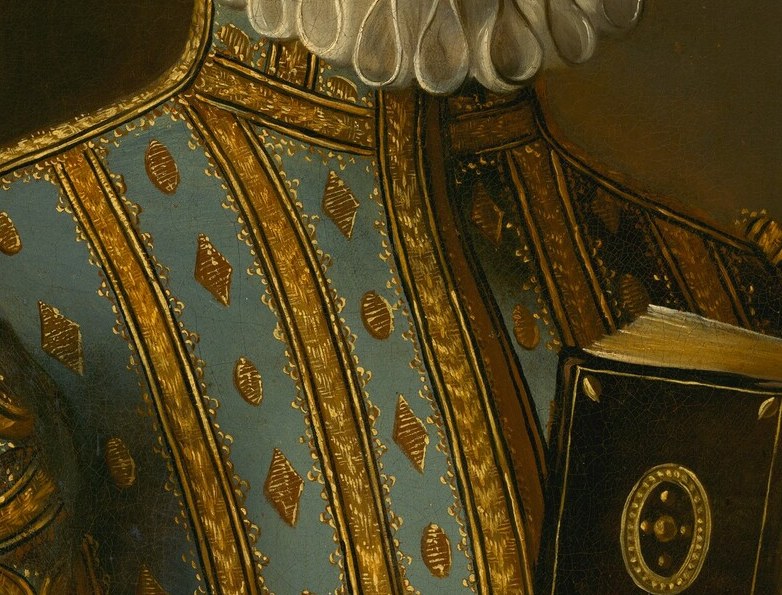
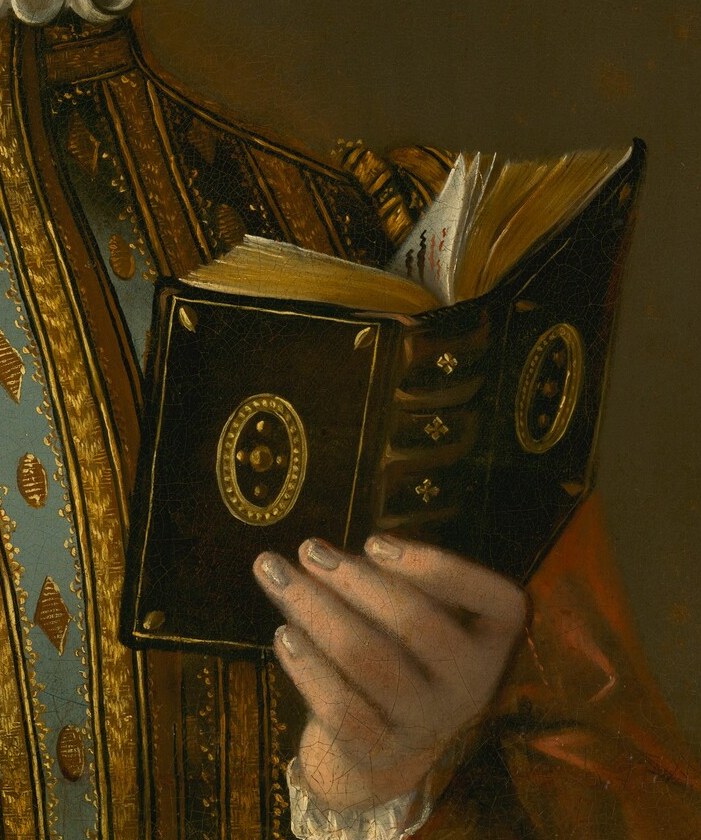
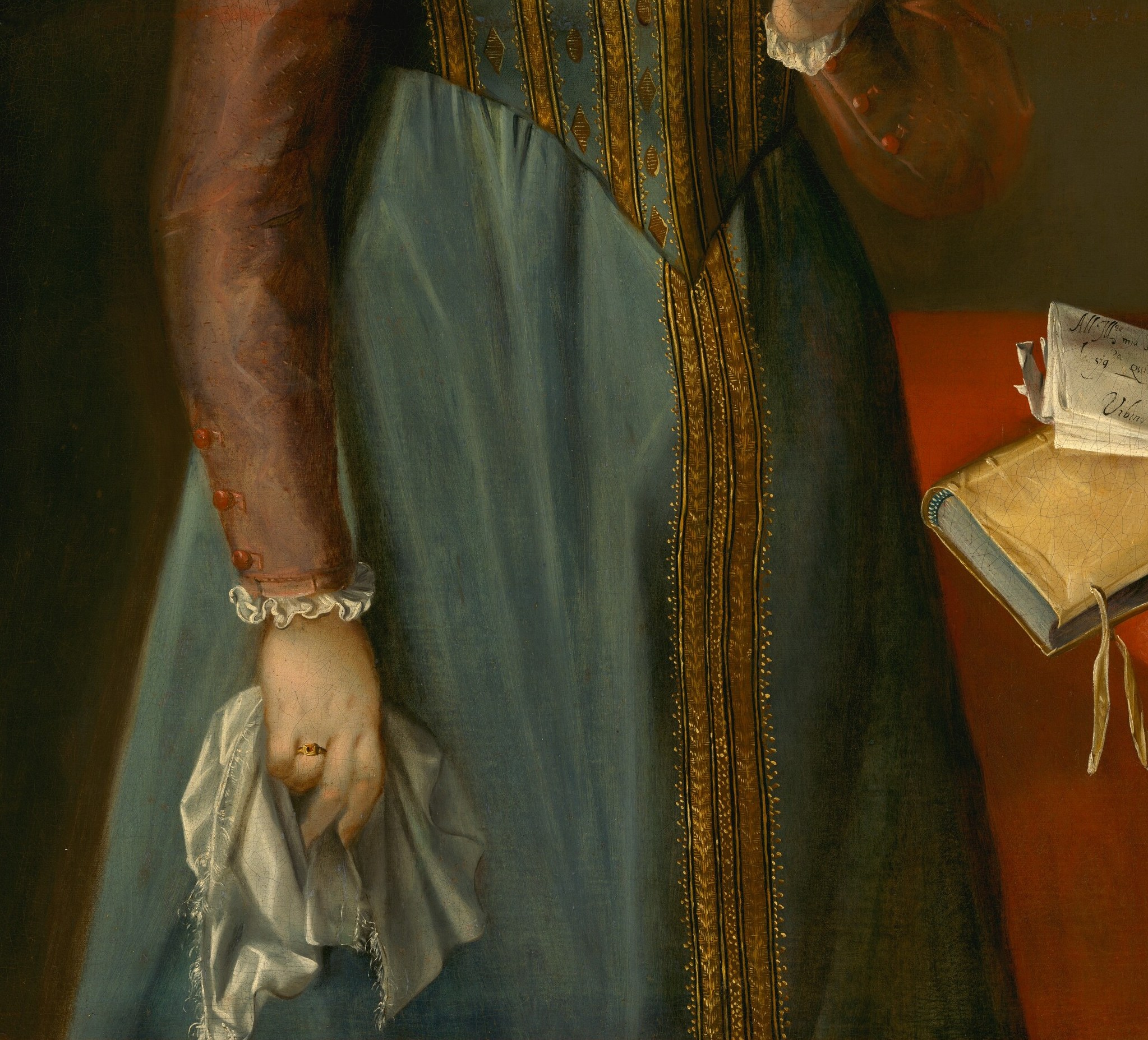
Barocci, known as Il Baroccio, was a prominent Italian Renaissance painter whose delicate modeling and vibrant yet restrained palette bridged Renaissance and Baroque styles. His mastery is evident in the detailed ruffle collar, the ornate bodice, and the soft rendering of her hands.
This painting is a testament to how art history continually evolves through scientific discovery, offering new perspectives on familiar masterpieces. What other secrets do paintings hold?
Details
Transcript
For centuries, this was considered a portrait of the artist's wife. Then, a 1920s X-ray found another face under this one. And the art world realized it was a fake, painted over an earlier work. The true sitter is Quintilia Fischieri, painted around 1600. Her quiet contemplation still captivates viewers today.