Thomas Amory II by Copley, John Singleton
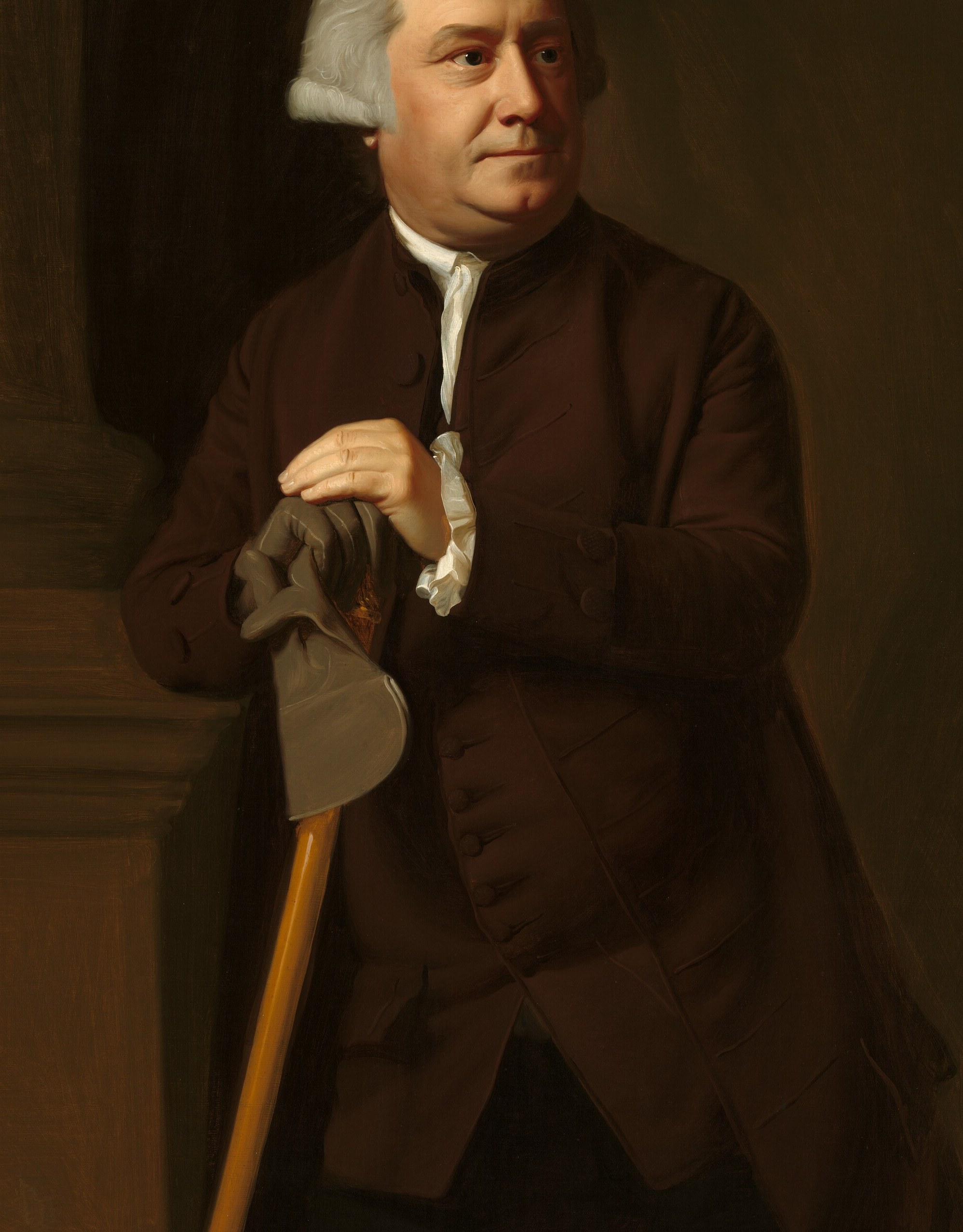
John Singleton Copley's portrait of Thomas Amory II sat quietly in a Boston home for generations before it vanished in 2001. The theft went unsolved for over a decade, and the painting's location remained a mystery until 2012, when FBI agents tracked it to a Brooklyn fence specializing in stolen art.
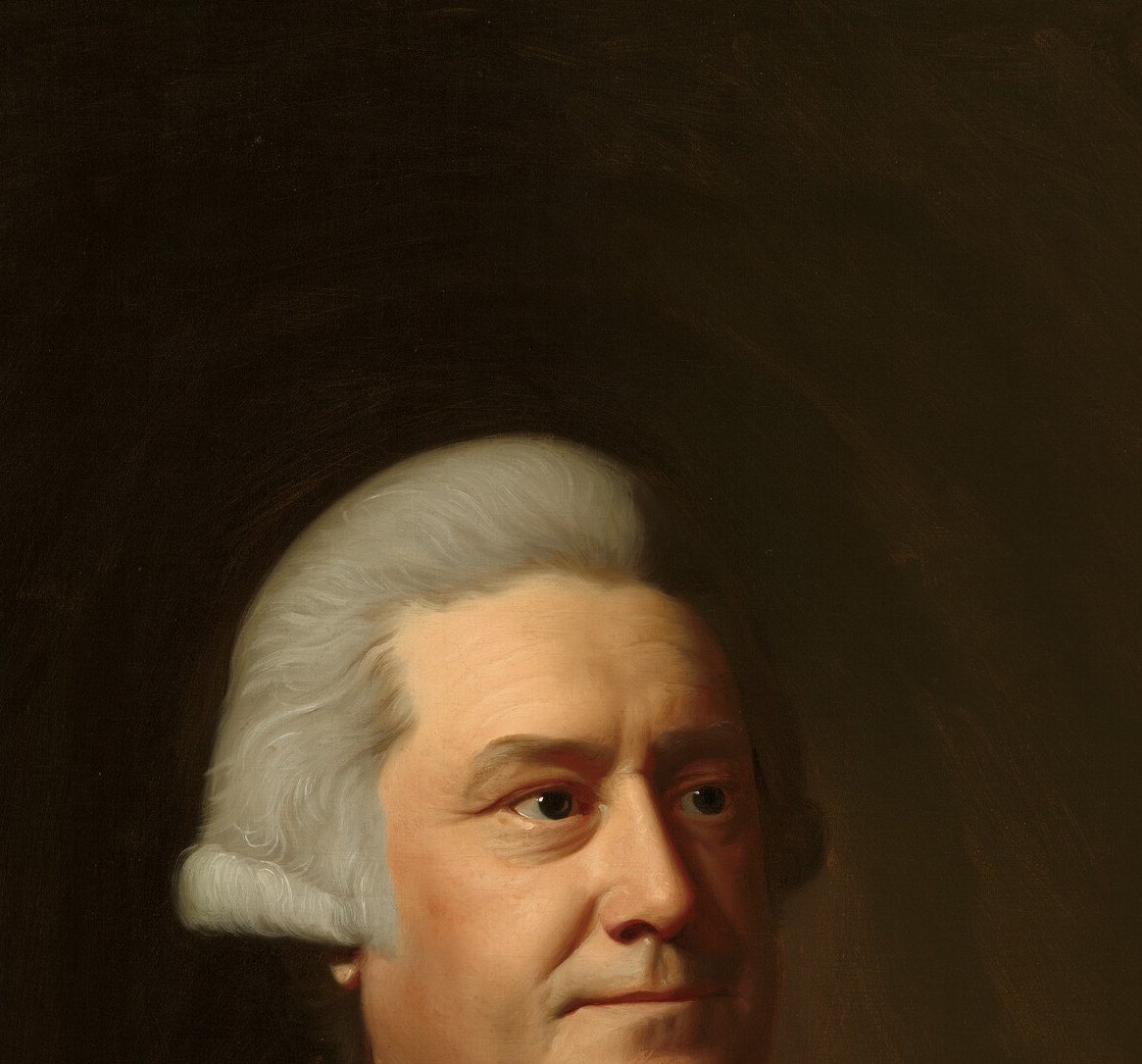
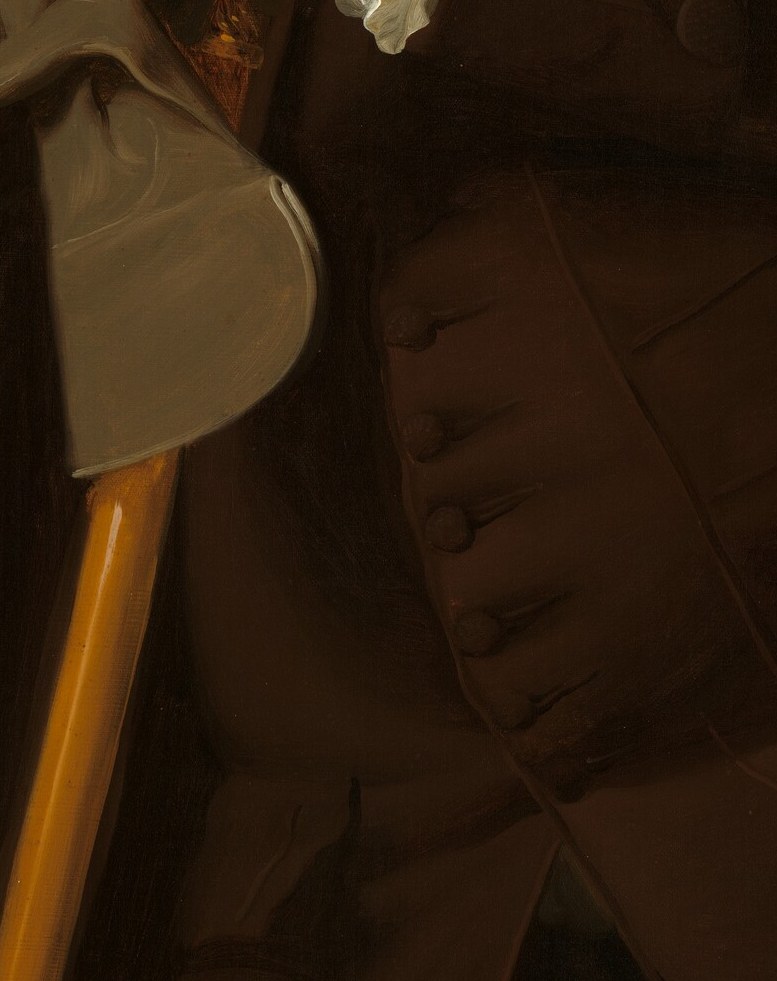
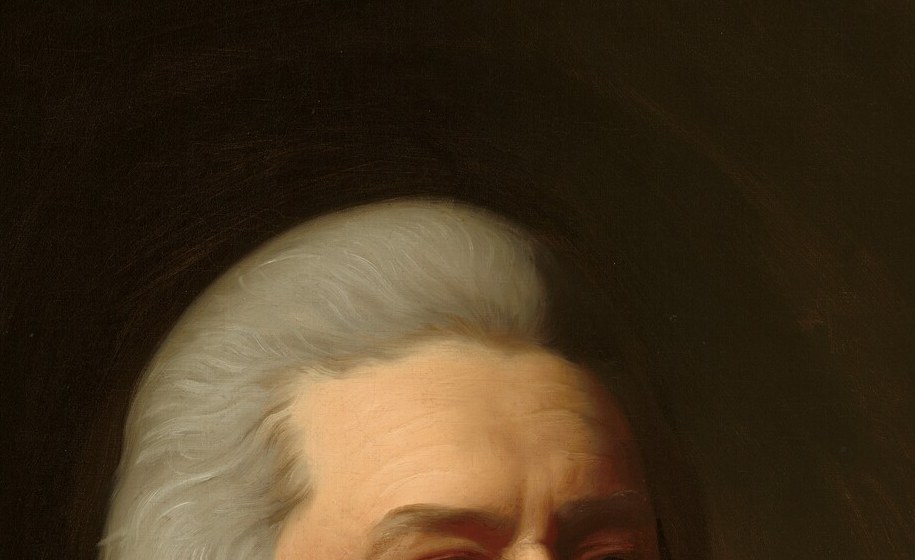
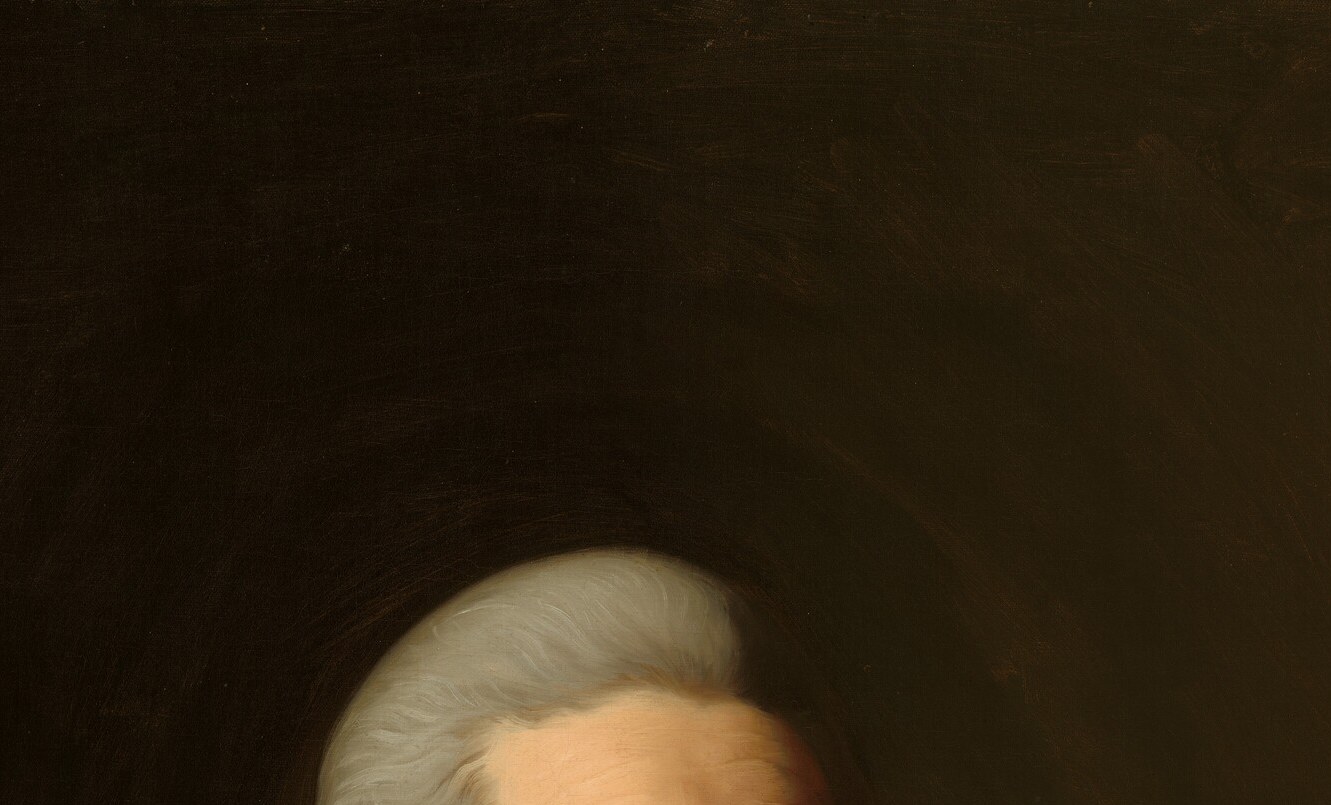
Copley was colonial Boston's finest portraitist, and this canvas shows why his patrons trusted him. Look at the dark broadcloth coat: the brushwork follows the nap of the expensive wool so faithfully you can almost feel it. The white cravat lifts the face out of that dark shape, and Amory's steady, direct gaze does the rest. His right hand rests on a walking cane with the loose confidence of a man who commanded a room.
Thomas Amory II was a merchant and loyalist during the Revolutionary era. The portrait dates to around 1771, when Copley was at the height of his American career and just a few years from leaving Boston for London. The painting captures the material culture and self-possession of the colonial elite right on the edge of a world that was about to break apart.
A stolen painting returned is a rare enough story. What makes this one better is what the thieves apparently never understood: Copley painted the man so specifically that the portrait was unsellable on the legitimate market. The very quality that made it worth stealing is what made it impossible to fence.
Details
Transcript
This man sat for John Singleton Copley around 1770. Look at the coat. Copley painted broadcloth so you can feel the nap. His hand rests easy on the cane. A man who expects to be heard. In 2001, this portrait vanished from a Boston residence. It was missing for nearly a decade. In 2012, FBI agents recovered it from a fence in Brooklyn.