Portrait of a Quaker by Wertmüller, Adolph-Ulrich
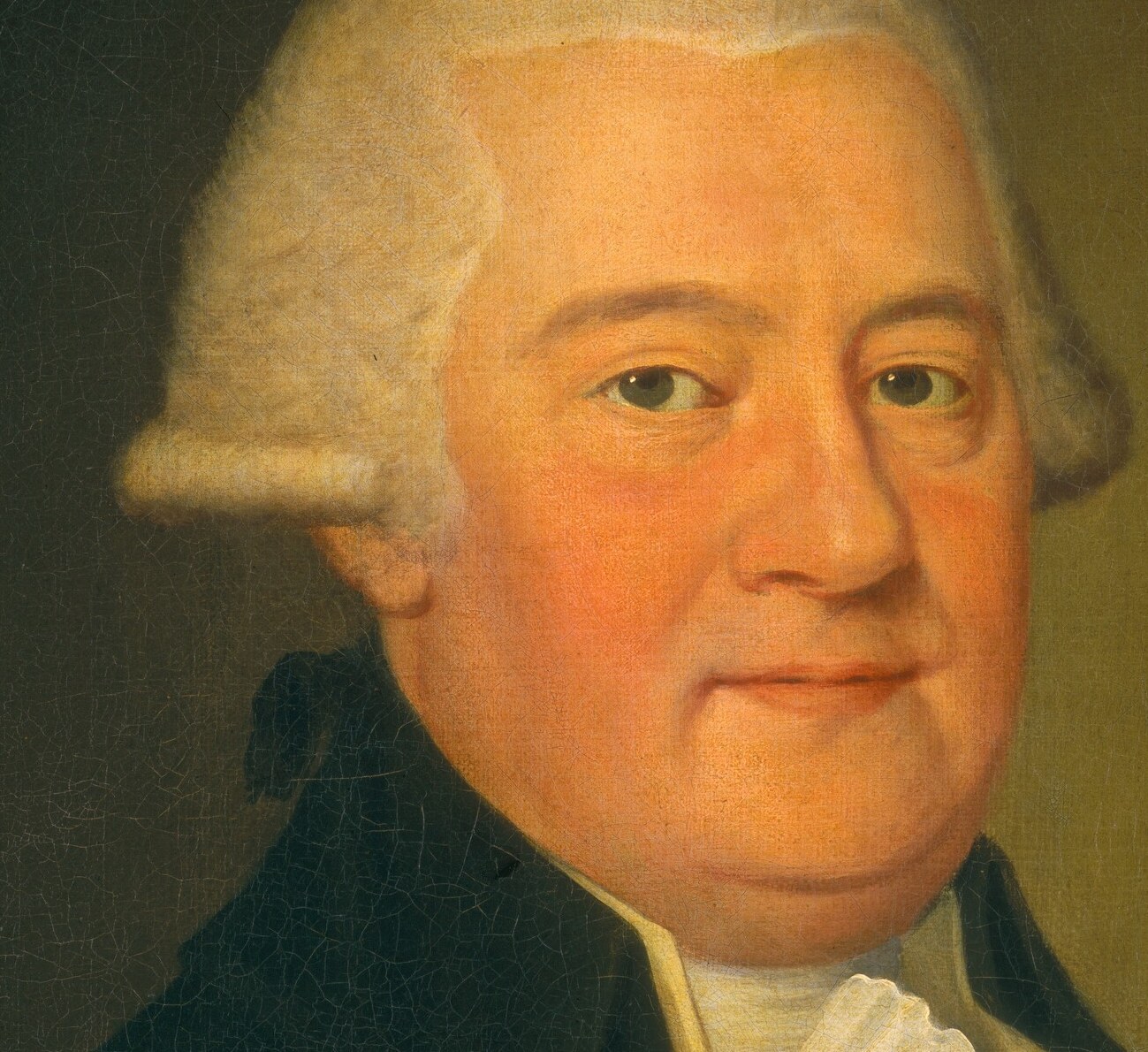
Adolph-Ulrich Wertmüller's "Portrait of a Quaker," painted in 1795, captures an unknown man with remarkable dignity. Currently held in a private collection, this oil on canvas work invites contemplation of the sitter's character.
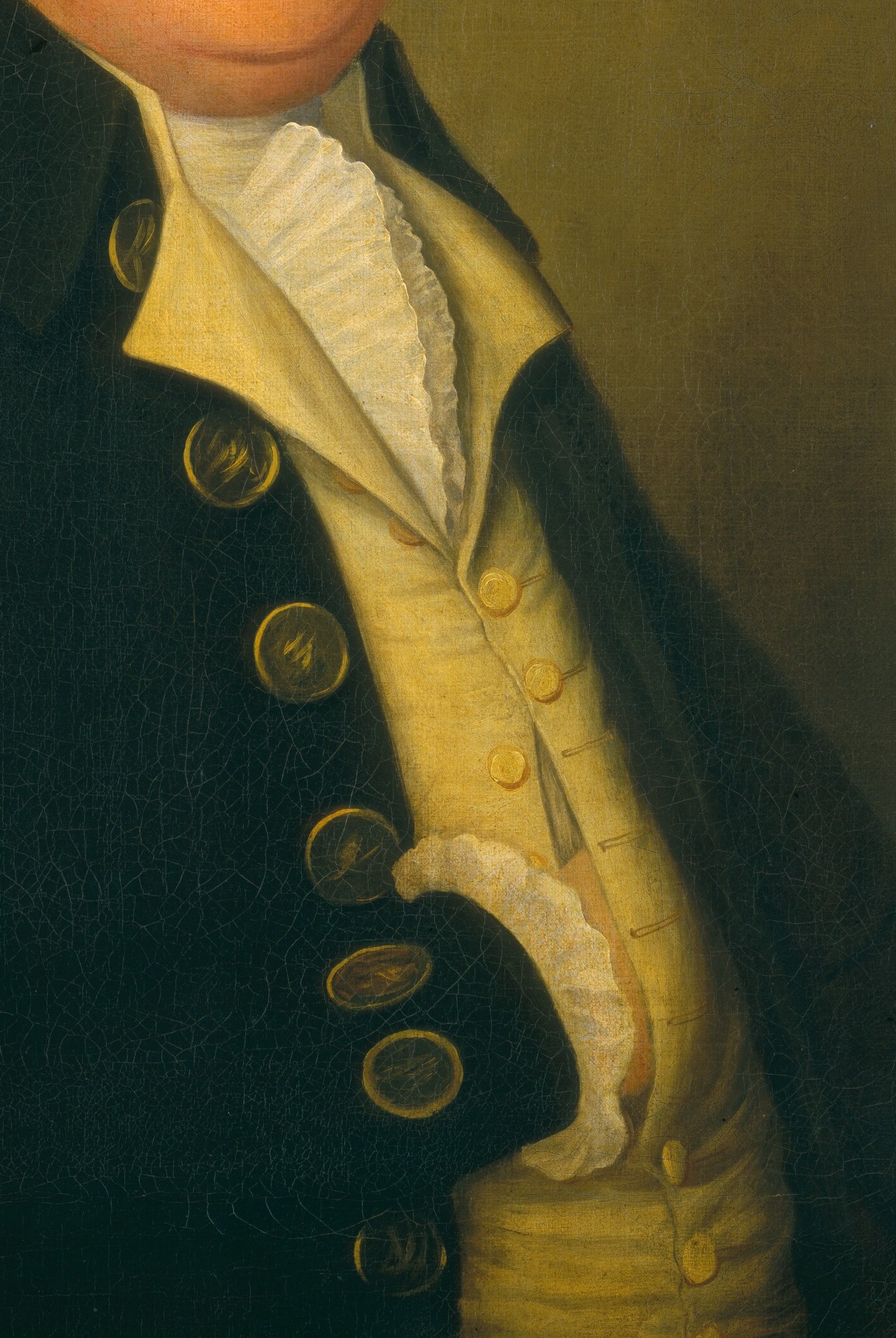
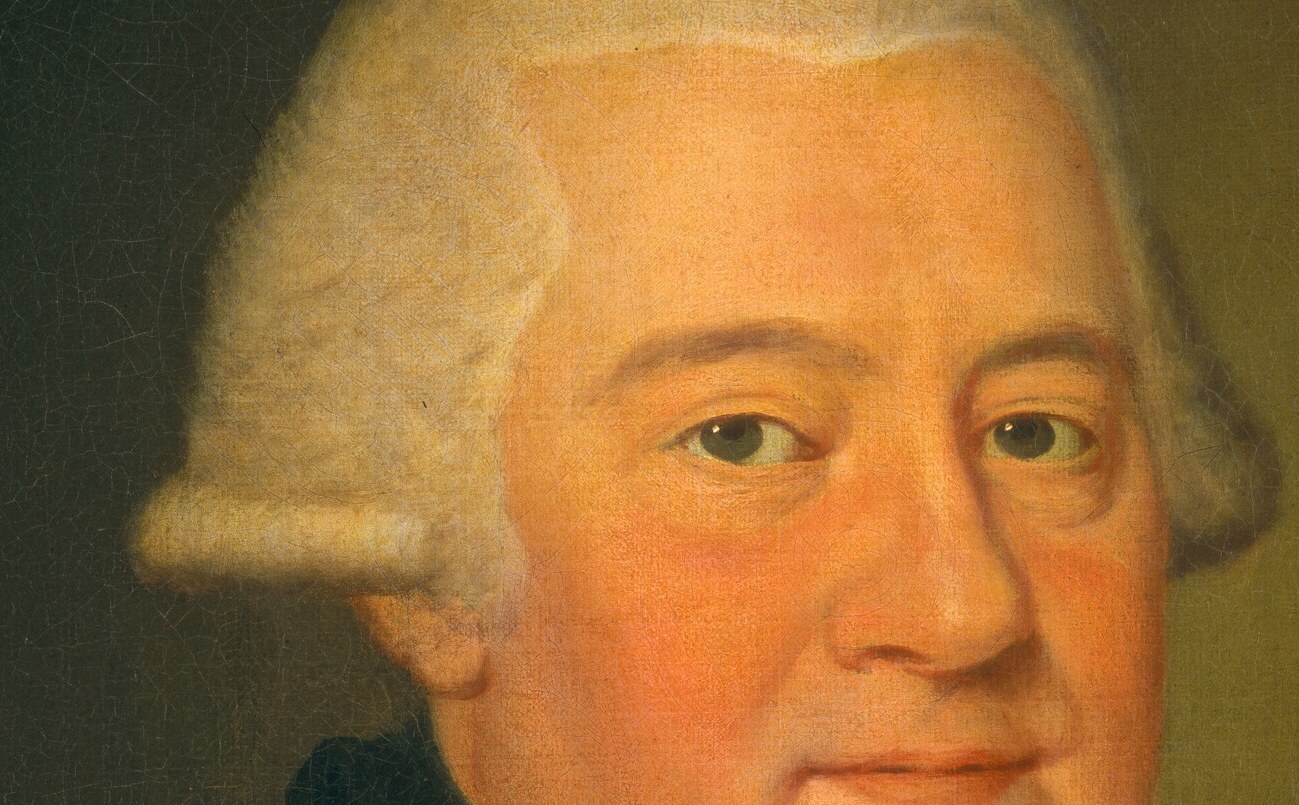
The painting's strength lies in its directness. Observe the subject's steady gaze and the subtle modeling of his face, which convey a sense of introspection and presence. The artist masterfully uses light and shadow, particularly visible around the chin and collar, to give the figure a three-dimensional quality.
While the sitter's identity remains a mystery, his title as 'A Quaker' suggests a man of quiet faith and principles. Wertmüller, an artist active in the late 18th century, used a prevalent medium of the time to achieve this compelling and forthright depiction.
What do you imagine this man's life was like, based on his portrait?
Details
Transcript
This man sat for his portrait in 1795. He chose to be seen simply, yet with dignity. His quiet eyes meet ours with calm intelligence. The painter built his form through light and shadow. He is known as 'A Quaker,' a man of faith. His direct presence still connects us to him.