Ariadne on Naxos by Filippo da Verona
Filippo da Verona's “Ariadne on Naxos” (1600) at the Rijksmuseum is a compelling early Baroque painting. It centers on the mythological figure Ariadne, abandoned by Theseus on Naxos Island, poised in a moment of contemplation.
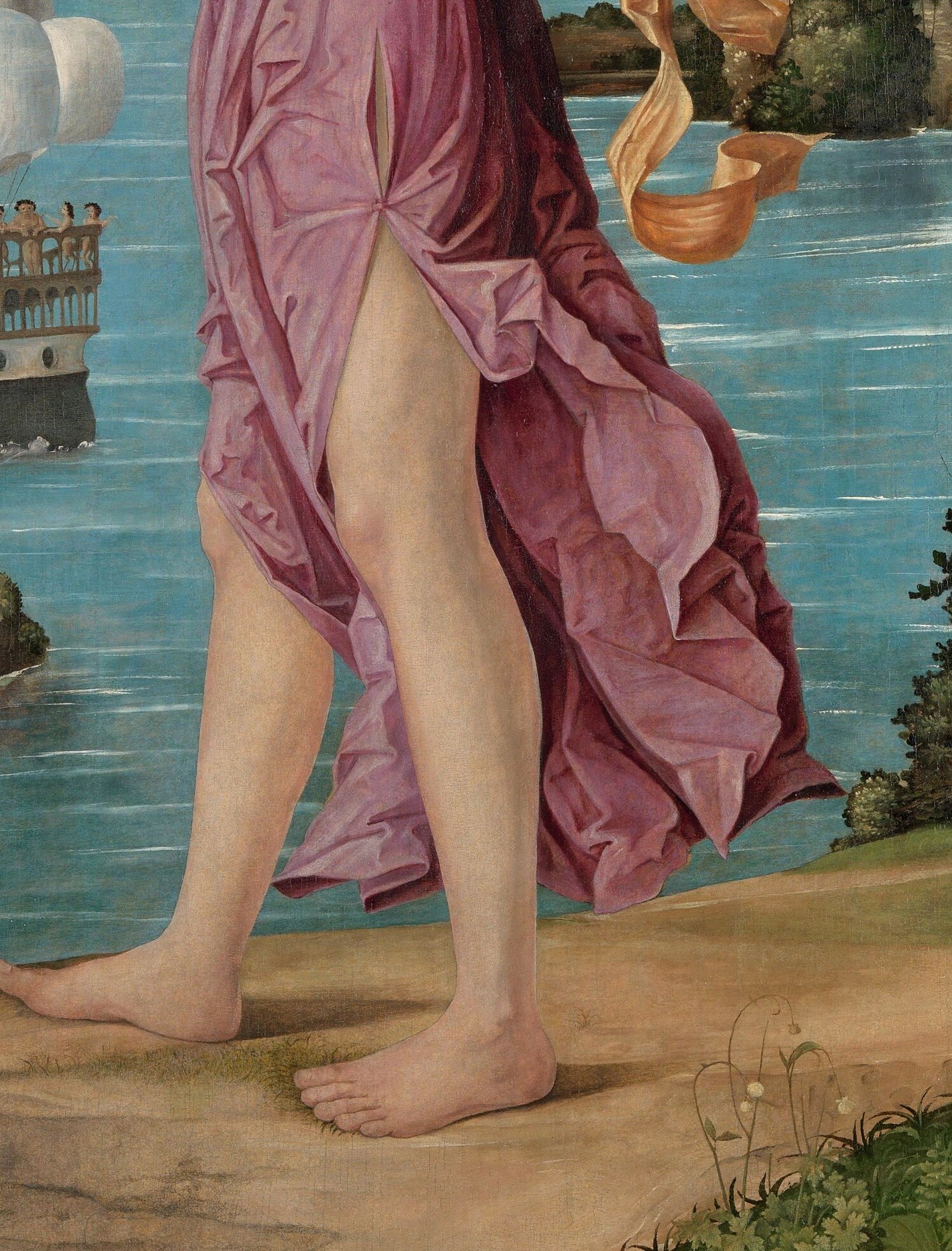
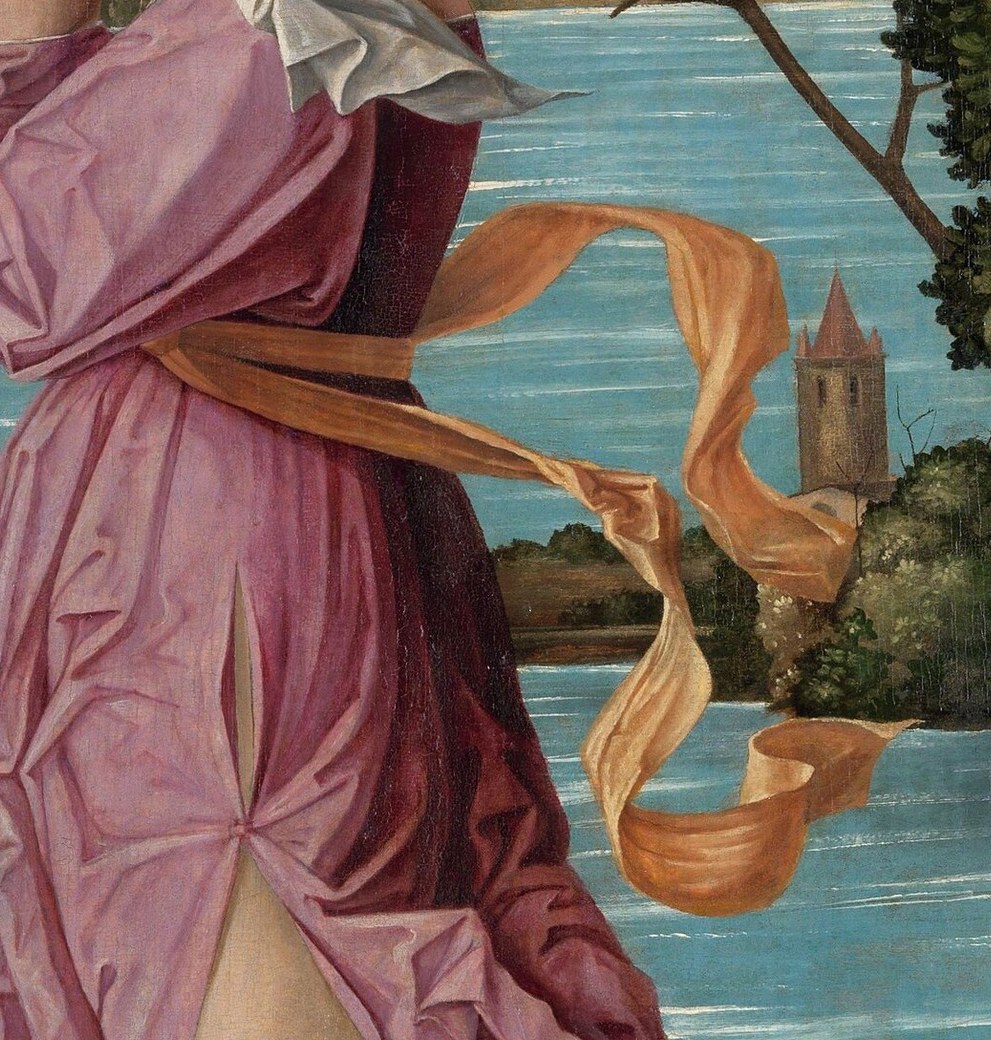
Notice her clasped hands and the dramatic flow of her pink garment. The composition skillfully balances warm and cool tones, a hallmark of early Baroque sensibility.
Yet, this painting was once at the heart of an artistic scandal. Da Verona, an Italian painter from the early Renaissance, faced severe criticism for the perceived indecency of Ariadne’s exposed leg and flowing fabric. This detail, though subtle to modern eyes, nearly derailed his career, highlighting the rigid social conventions of the era.
It’s fascinating how a small artistic choice could ignite such a controversy. What do you see in the painting that might have caused such a stir?
Details

Transcript
She is Ariadne, abandoned on the island of Naxos. This painter was known for dramatic, emotional scenes. Ariadne’s hands, clasped in turmoil, show his skill. But his early career was marked by controversy, not praise. Look closely at her flowing pink garment. It was considered too revealing for the time, causing scandal. This single detail nearly ruined his reputation.