Landscape with Erminia by Claude Lorrain
Claude Lorrain painted Landscape with Erminia in 1630, and it hangs now at The Metropolitan Museum of Art. He was a Frenchman who worked almost entirely in Rome, and he did something new: he made the landscape itself the subject, not just a backdrop.
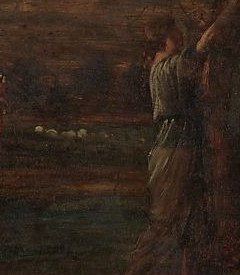
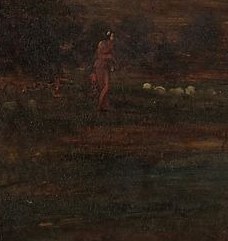
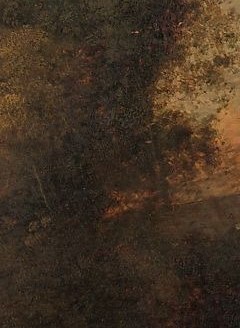
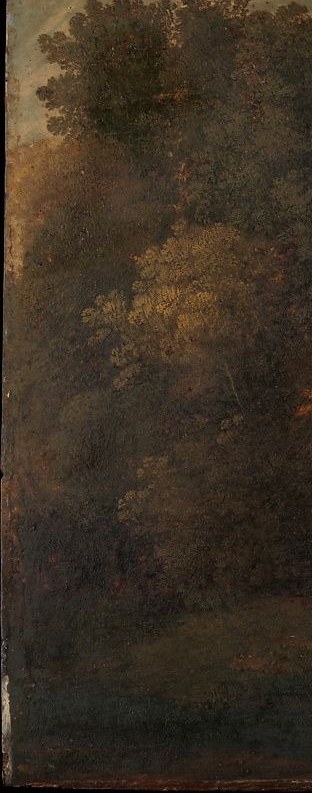
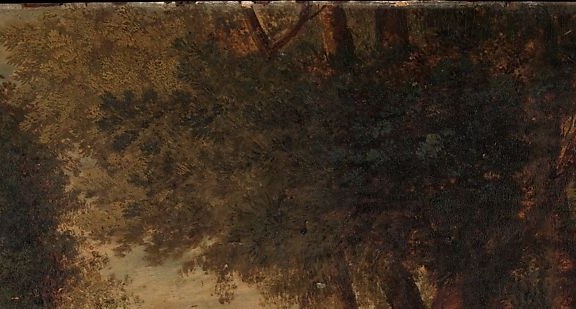
The eye goes straight to the warm light in the center. But slow down. A sliver of that same light leaks through the trees on the left, a tiny passage that proves how carefully Claude built this forest. The figures down front are the story: Erminia, from Tasso's Jerusalem Delivered, a princess who escaped a siege and hid among shepherds. The flock of sheep and the crouching shepherd are her cover.
In 1630, Claude was still perfecting his habit of drawing outdoors, directly from nature, which was unusual for a studio painter of his time. He would spend hours sketching the way light fell through leaves, then assemble those studies back in the studio into idealized scenes like this one. The figures are small because the landscape was never just their setting, it was the point.
Next time a golden-hour photo stops you, you might be seeing a little bit of Claude's 400-year-old idea of light.
Details
Transcript
You'd be forgiven for seeing just trees. Claude Lorrain turned landscape into a high art form. But he always hid a story inside. This is Erminia, a princess disguised among shepherds. She fled a war, finding shelter in the countryside. The soft glow isn't just beauty, it's safety.