The Company of Captain Dirck Jacobsz Rosecrans and Lieutenant Pauw by Cornelis Ketel
Step back in time to 1594 with Cornelis Ketel's "The Company of Captain Dirck Jacobsz Rosecrans and Lieutenant Pauw," a vibrant portrait of Amsterdam's civic guard now at the Rijksmuseum.
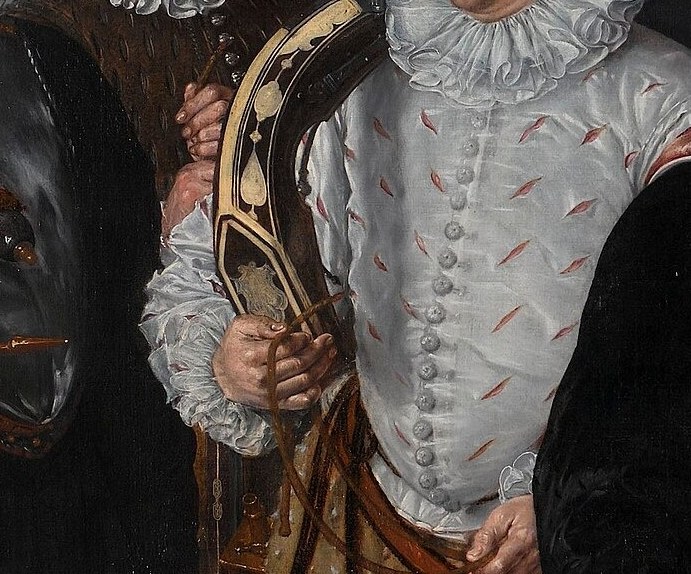
Ketel's meticulous brushwork brings every detail to life, from the intricate lace ruffs and patterned fabrics to the ready stance of Captain Rosecrans and Lieutenant Pauw. Look closely at the small dog at their feet, a subtle symbol of loyalty and companionship within the disciplined ranks.
These civic militias, known as *schutterijen*, were essential to maintaining public order and defense in the Dutch Republic. Ketel, a leading Mannerist painter, captured their civic pride and communal responsibility, creating a lasting record of their presence in late-16th-century Amsterdam.
This painting not only records a moment in time but also showcases the artistry and social values of its era. What hidden details do you find most fascinating?
Details
Transcript
In 1594, this civic guard company posed for their portrait. These citizen militias kept order in 16th-century Amsterdam. Captain Rosecrans leads, his hand ready on his sword. Lieutenant Pauw holds a ceremonial staff, signifying his rank. The painter, Cornelis Ketel, was famous for his detailed portraits. His brushwork captures every texture, from fabric to ruffs. And this small dog symbolizes their loyalty to the company.