Ships in Trouble near the Coast by Jan Peeters the Elder
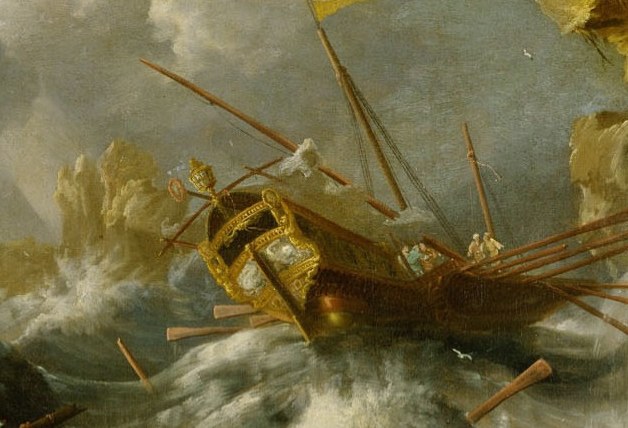
Jan Peeters the Elder’s “Ships in Trouble near the Coast,” painted around 1650, captures the terrifying, raw power of the sea. This dramatic oil on canvas, housed at the Kunsthistorisches Museum, perfectly showcases the artist's masterful technique in depicting maritime chaos.
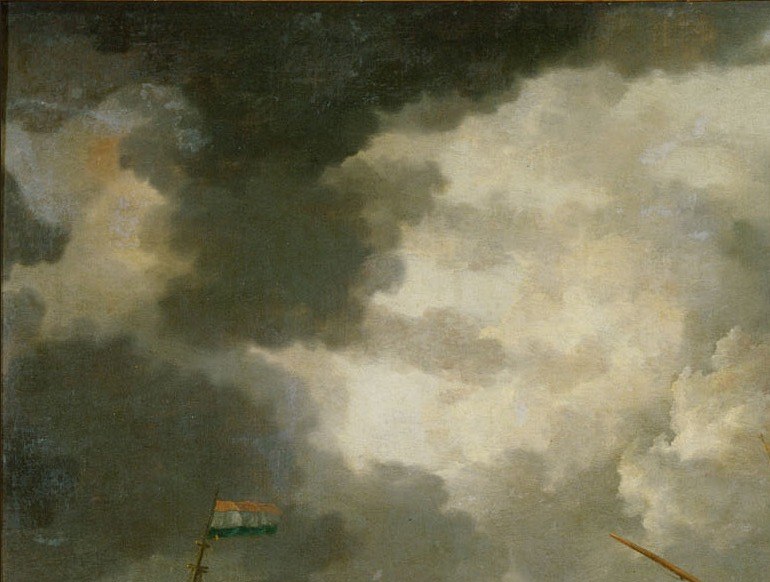
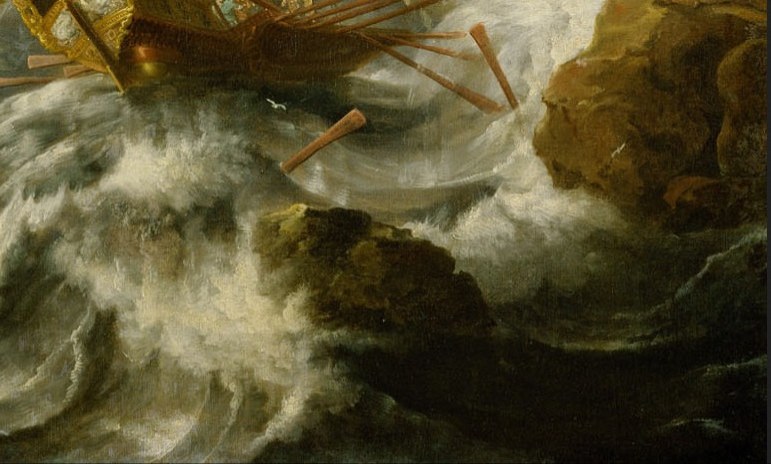
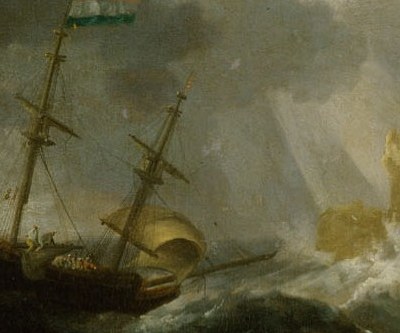
Observe how Peeters uses stark contrasts of light and shadow, particularly in the stormy clouds and crashing waves, to create an overwhelming sense of movement and danger. His vigorous brushwork makes the turbulent water seem to churn and foam right before your eyes.
Peeters, a Flemish Baroque painter, was renowned for his seascapes and shipwrecks, many of which were reproduced as popular engravings. This painting exemplifies the ever-present risks of navigation in the 17th century, where a thin line separated safe harbor from catastrophe.
It’s a striking reminder of nature’s formidable power. What detail of the storm draws your eye most?
Details
Transcript
This painter shows the terrifying power of the sea. Notice how the light breaks through the dark clouds. This contrast creates intense drama in the painting. See the foam and spray of these crashing waves. The vigorous brushwork makes the water feel alive. Even the broken mast feels tossed by the ocean.