Bringing Down Marble from the Quarries to Carrara by John Singer Sargent
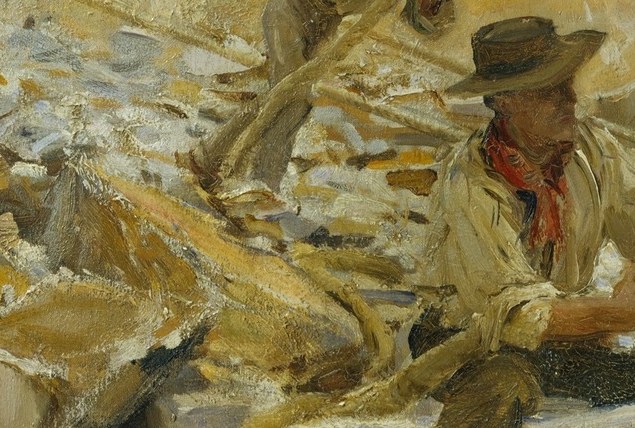
Bringing Down Marble from the Quarries to Carrara by John Singer Sargent (1911) is rarely seen by the public, hidden away in the Metropolitan Museum of Art's collection. The painting captures the immense physical effort and danger involved in extracting marble from the Carrara quarries in Italy.
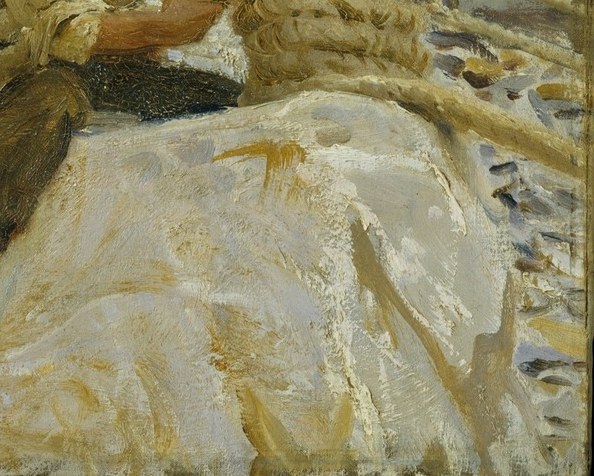
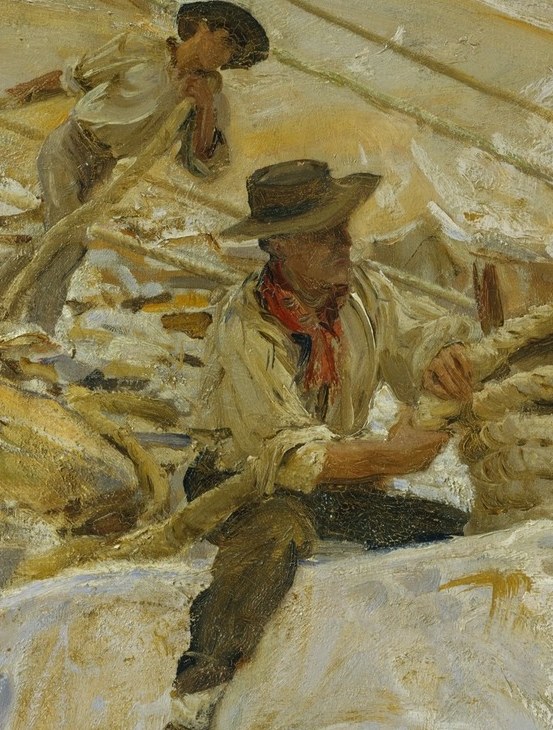
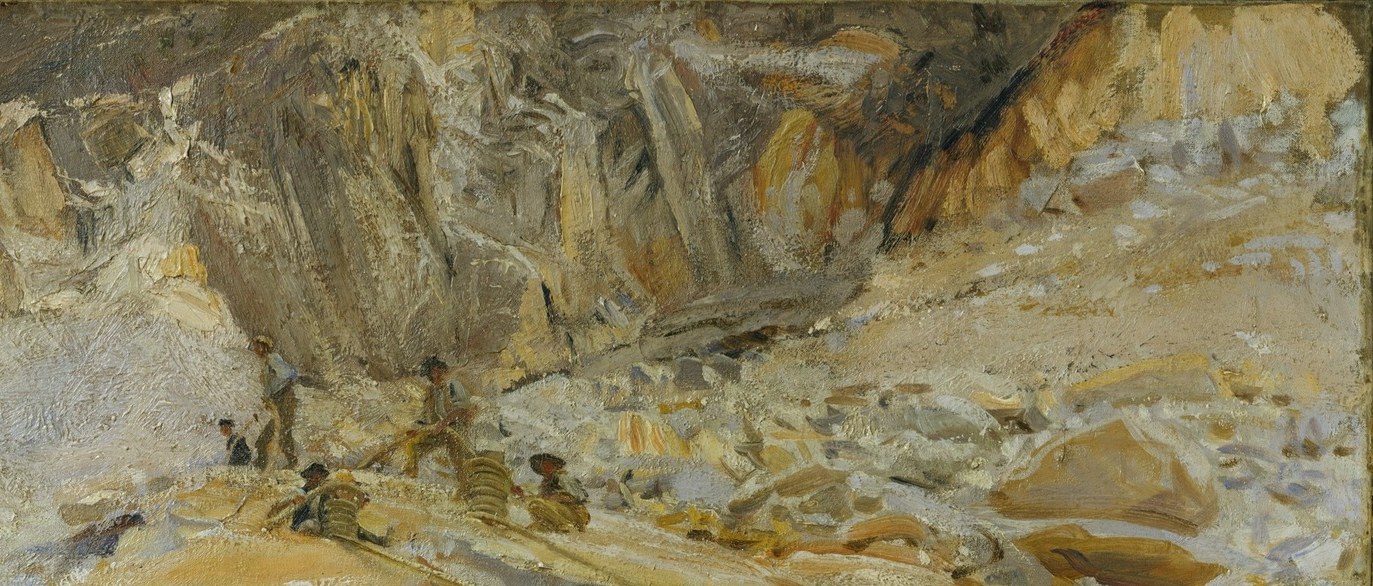
Look at the foreground, where a man strains to pull a thick rope, his muscles bunched with effort. This rope stretches across the frame, connecting the workers to the massive blocks of marble they are extracting. The distant figures on the quarry slope emphasize the sheer scale of this operation, while the rubble suggests the waste and destructive nature of the work.
John Singer Sargent, known for his portraits of the wealthy elite, created this work to document the grueling labor of industrial quarrying. Despite its artistic merit and historical significance, the painting is not currently on view, adding to its mystery.
What does it mean for art to document such brutal labor, only to be hidden from view?
Details
Transcript
This painting has not been seen in years. It shows a brutal scene of quarry work. Men haul ropes that strain with the load. These ropes connect them to the stone. Sargent painted this in 1911. It’s now held by the Met Museum.