View of Dinant by Geo Poggenbeek
Geo Poggenbeek's *View of Dinant*, painted in 1898 and housed at the Rijksmuseum, is a serene landscape that subtly reveals the influence of Impressionism, a radical artistic movement of its time.
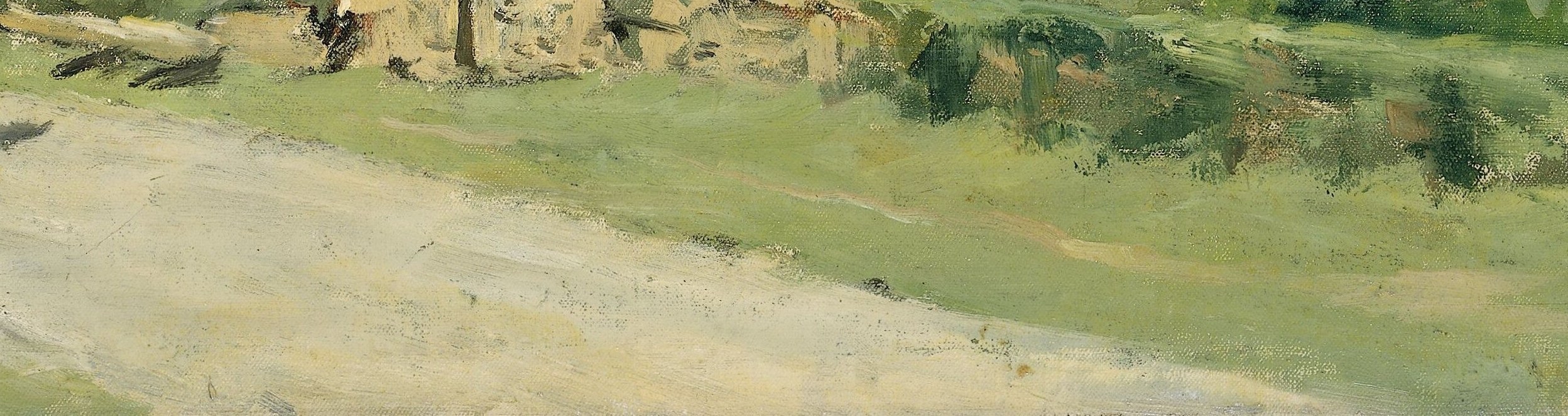
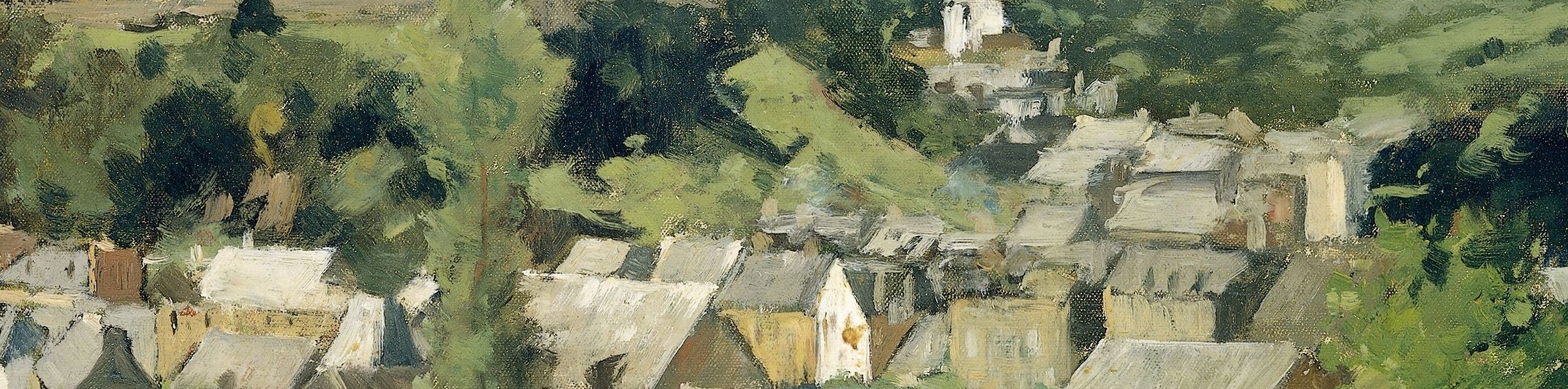
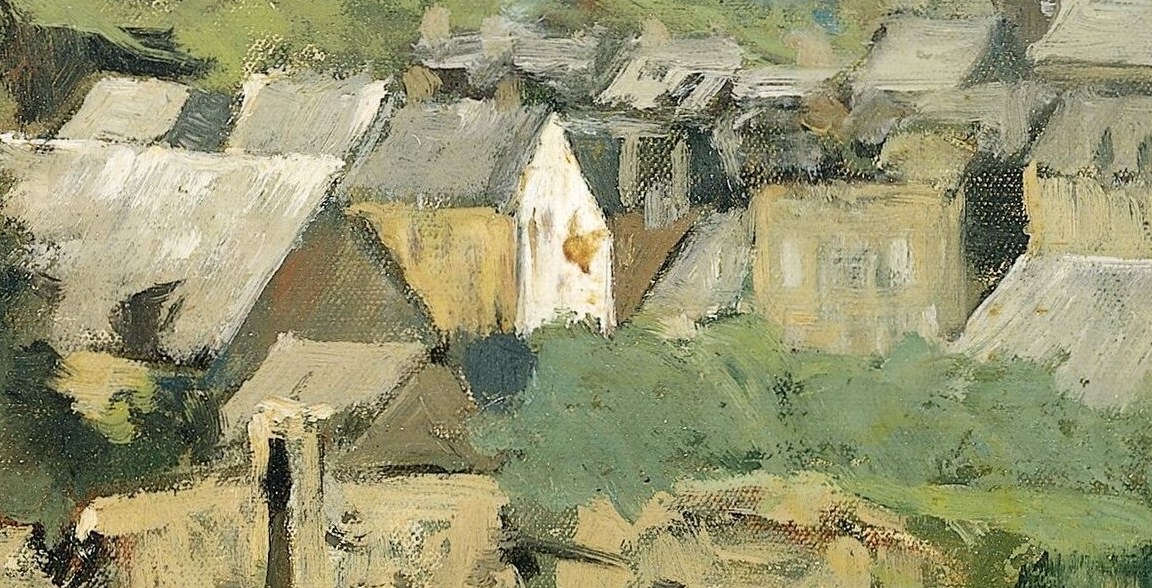
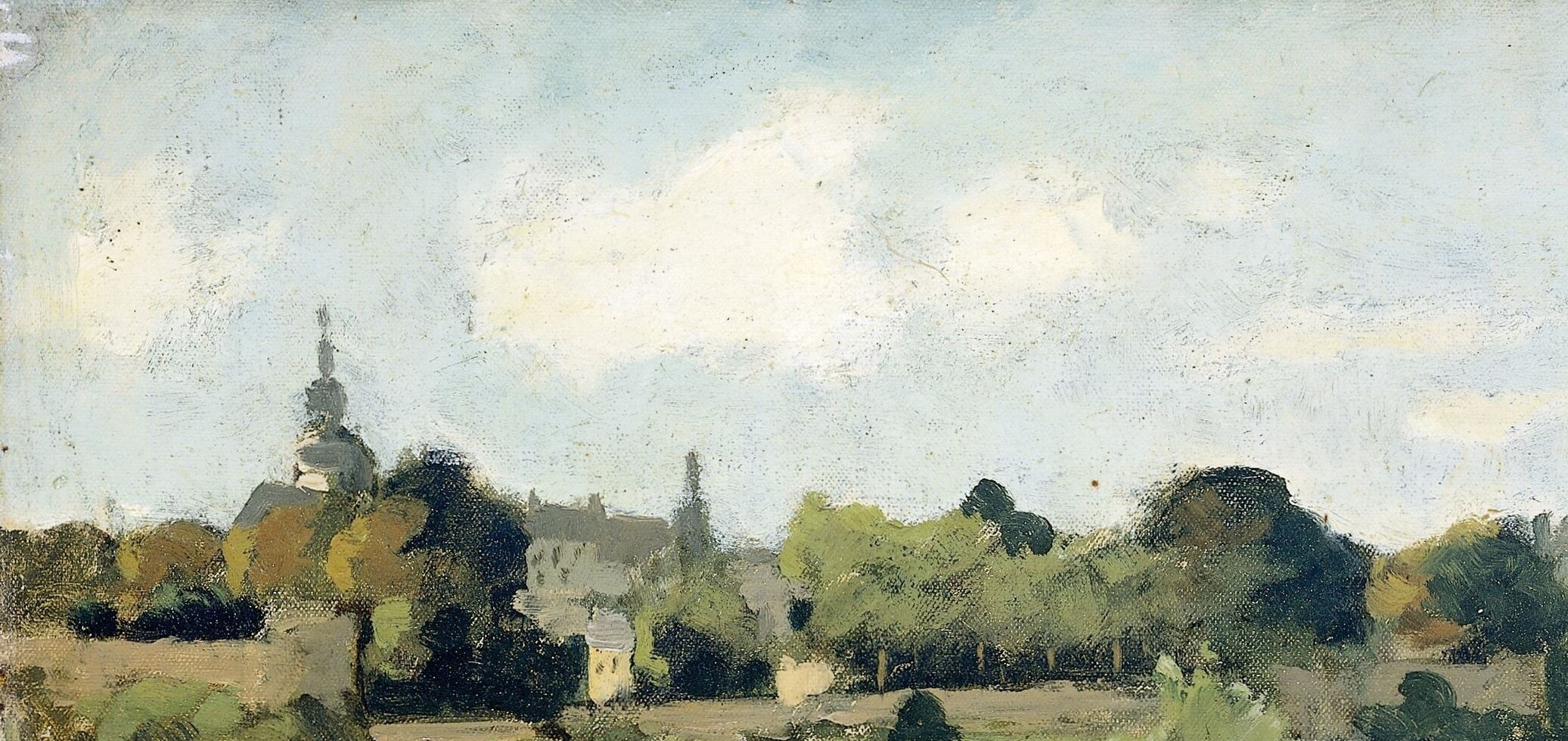
Observe the loose, visible brushstrokes in the trees and the atmospheric quality of the cloudy sky. These techniques capture the transient effects of light and mood, drawing the viewer into the winding road leading to the distant town.
Poggenbeek, an Amsterdam painter, maintained close ties with the Hague School but clearly absorbed the innovations of Impressionism. His work reflects a shift from precise detail to capturing the overall feeling and atmosphere of a scene.
This painting is a beautiful example of how new artistic ideas quietly made their way into established traditions, changing how artists portrayed the world around them.
Details
Transcript
This tranquil Dutch landscape, painted in 1898, features a winding road inviting your eye into the distance. Look closely at the painter's brushwork in the trees. His loose, visible strokes are a sign of Impressionism. Poggenbeek was influenced by this new way of seeing. He captures the fleeting light and atmosphere of Dinant. A calm scene, but painted with radical new ideas.