The Third-Class Carriage by Honoré Daumier (French, 1808–1879)
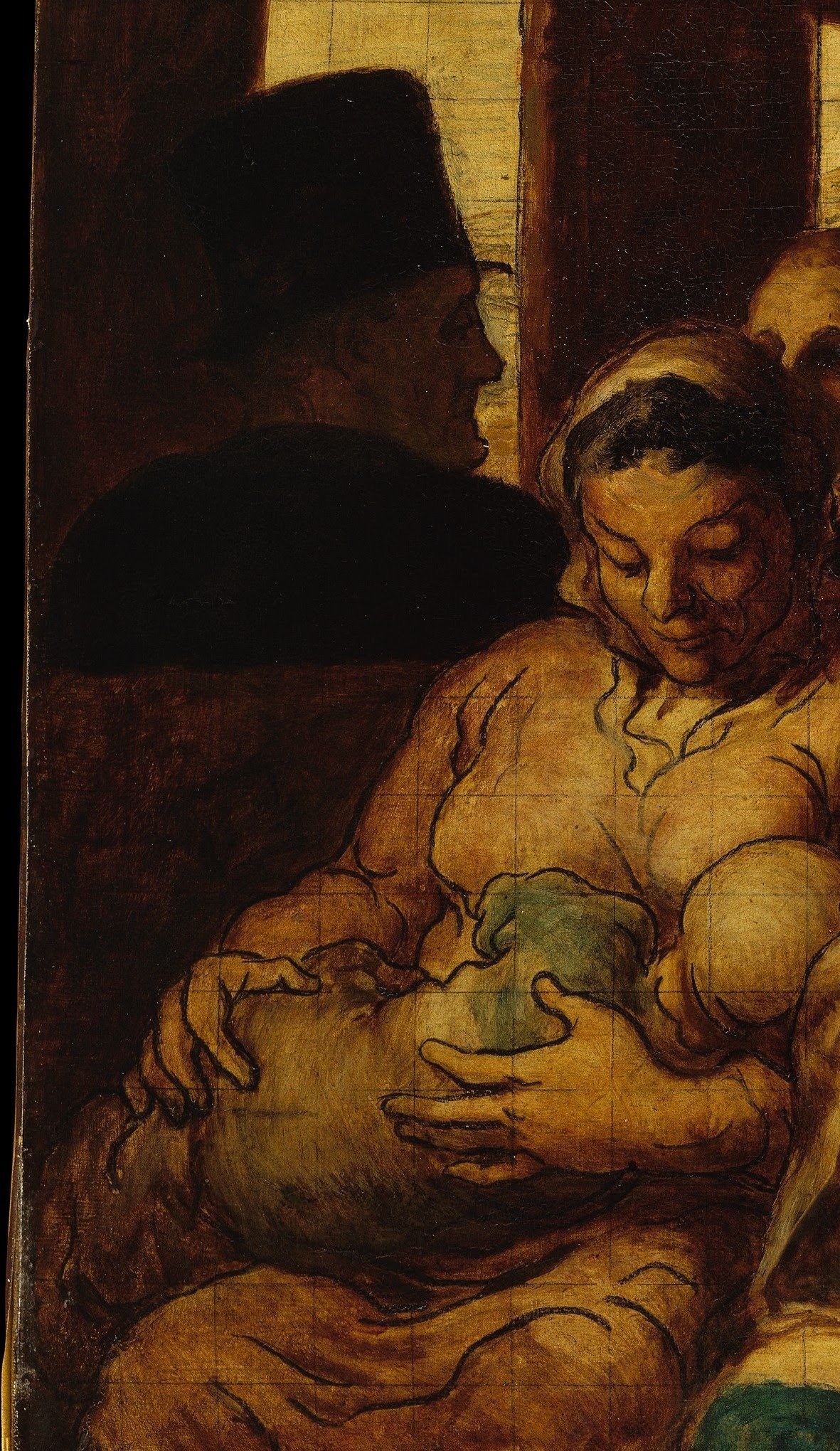
Honoré Daumier's The Third-Class Carriage (c. 1862, Metropolitan Museum of Art) is an unfinished oil painting of working-class travelers on a train. Daumier left it incomplete, and in doing so he left us a masterclass in his own technique.
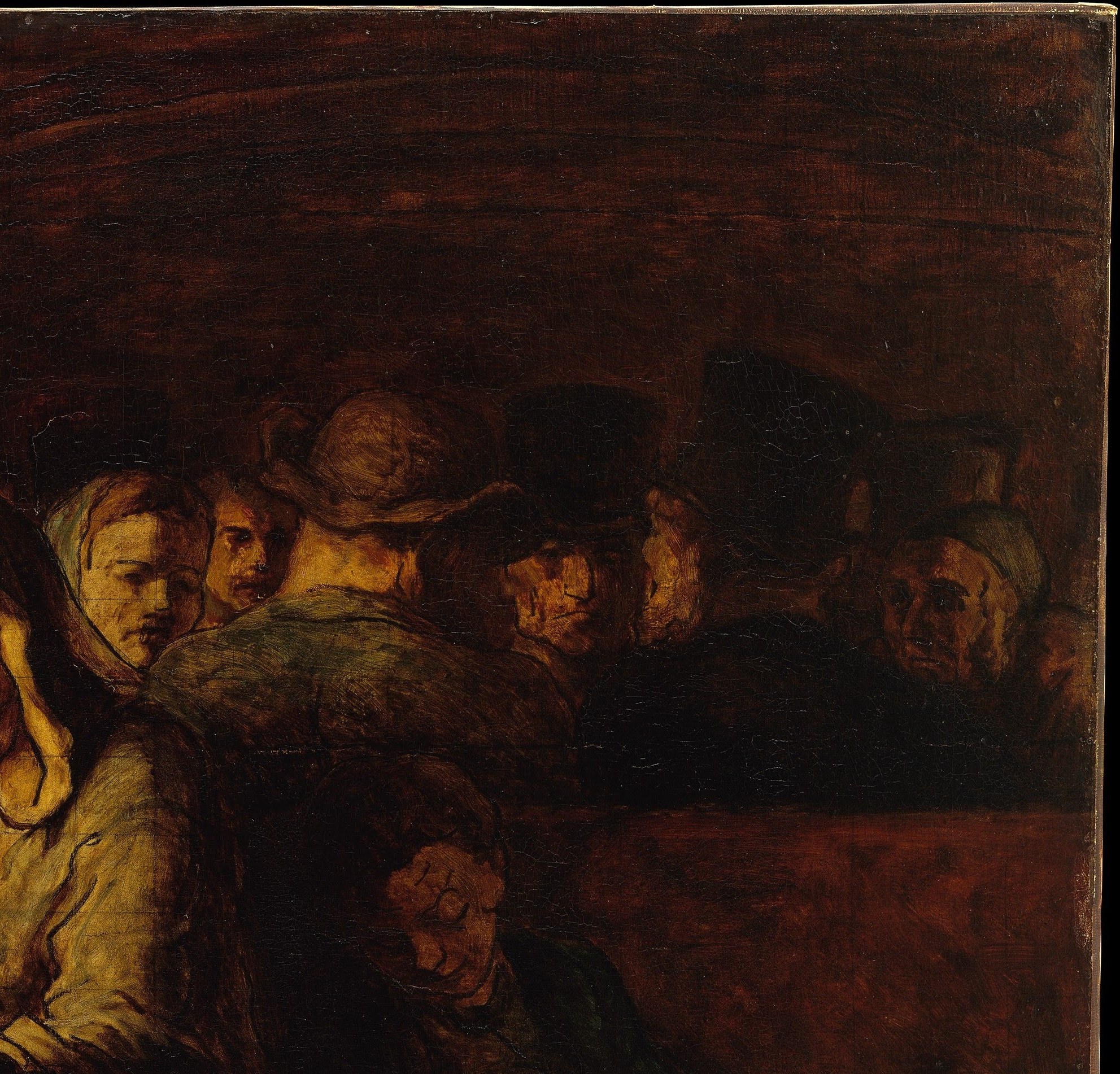
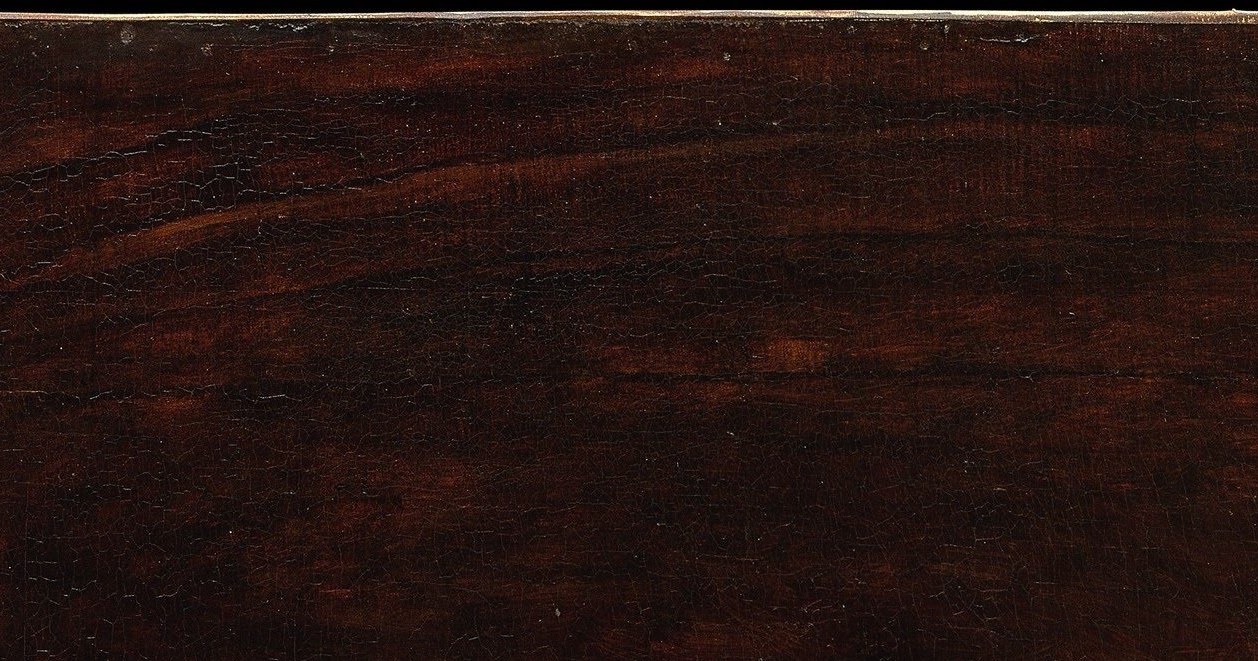
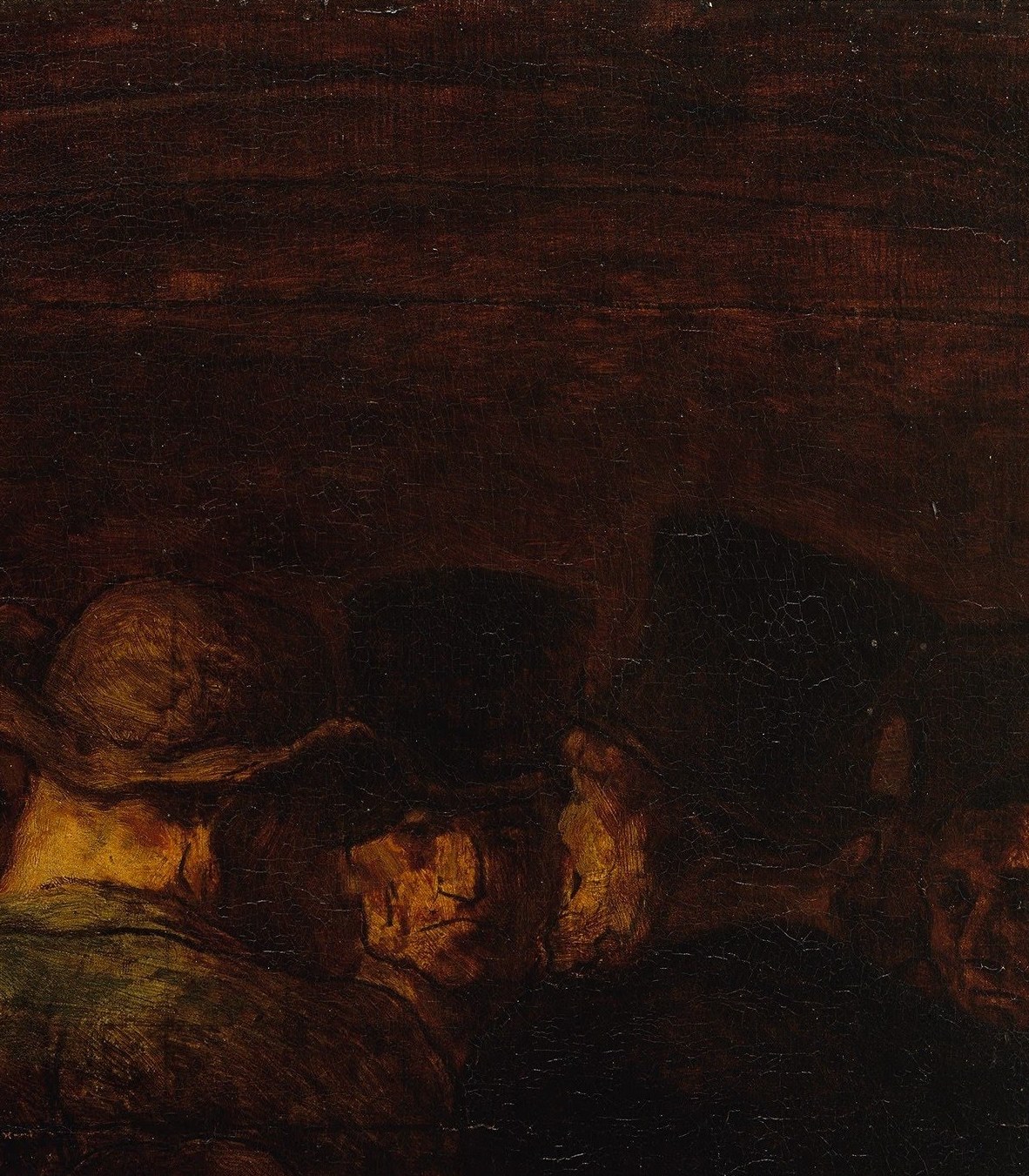
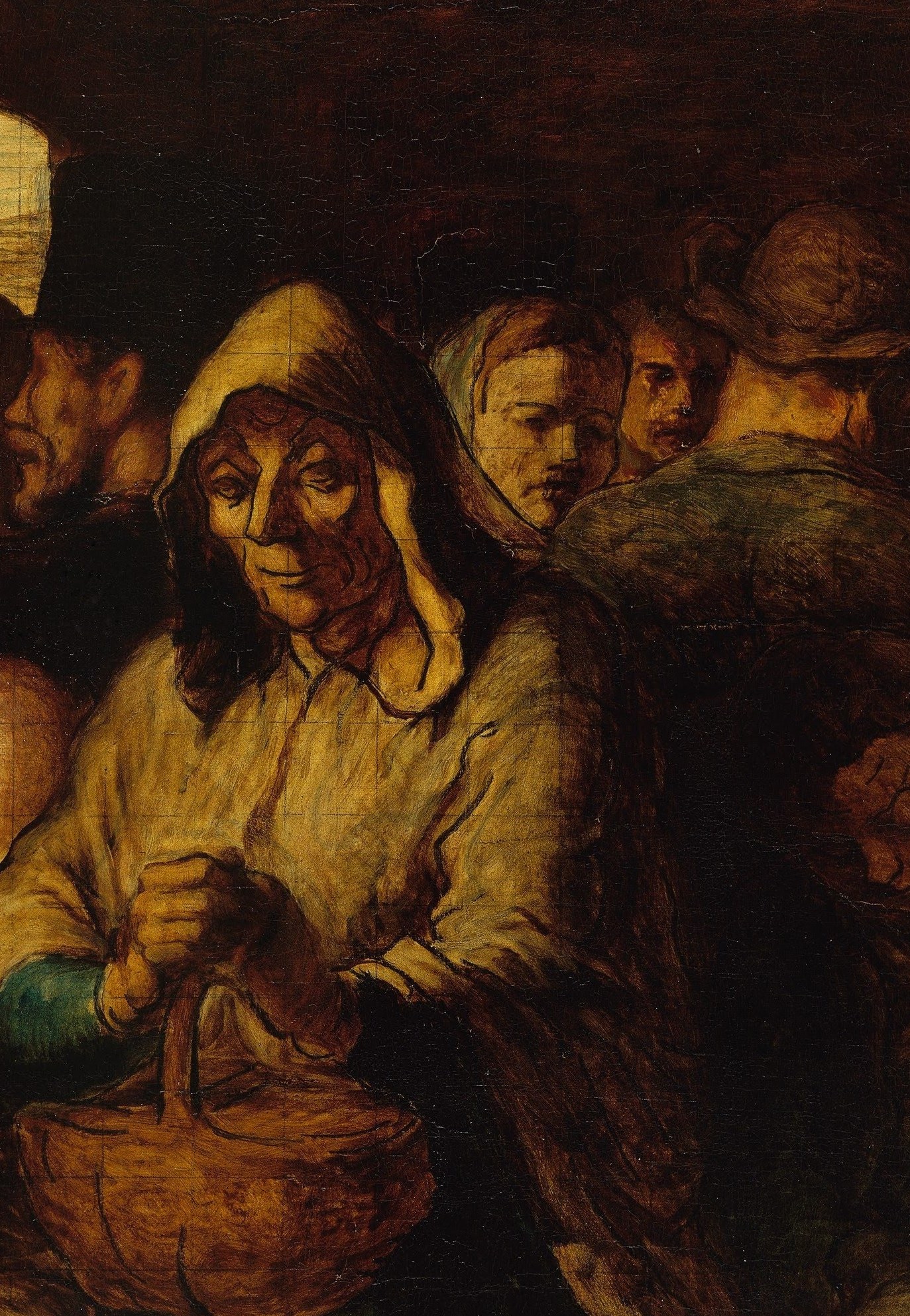
Look at the dark upper half of the painting. The background crowd is barely resolved. Daumier scrubbed in the shadows first with broad, raw strokes, then pulled specific forms forward with light. You can see it in the central woman's raised hand and the faces of the nursing mother and the old woman. They emerge from the gloom because he chose exactly where to stop.
Daumier was a lifelong republican who spent his career satirizing the wealthy and defending the poor. He painted third-class carriages because that was where most Parisians actually sat. The wooden bench, the wicker basket, the white linen bonnet all code this as a specific economic reality, but Daumier gives the family group a monumental dignity.
An unfinished painting can feel like a cheat, but here it is the whole story. You can watch him think.
Details
Transcript
The carriage is dark. The passengers are packed tight. But Daumier never finished this painting. Look at the background. It's raw, scrubbed paint. He built the whole scene out of shadow first. Then he pulled faces and hands out of the dark. Every visible brushstroke is a decision he made. He prioritized the light. He let the rest stay raw.