George Cotton Smith by Henri, Robert
Robert Henri's *George Cotton Smith*, painted in 1908, exemplifies the artist's dedication to a direct, unidealized form of realism. This oil on canvas portrait, housed in a private collection, showcases Henri's bold brushwork and dramatic lighting that bring the sitter's character to life.
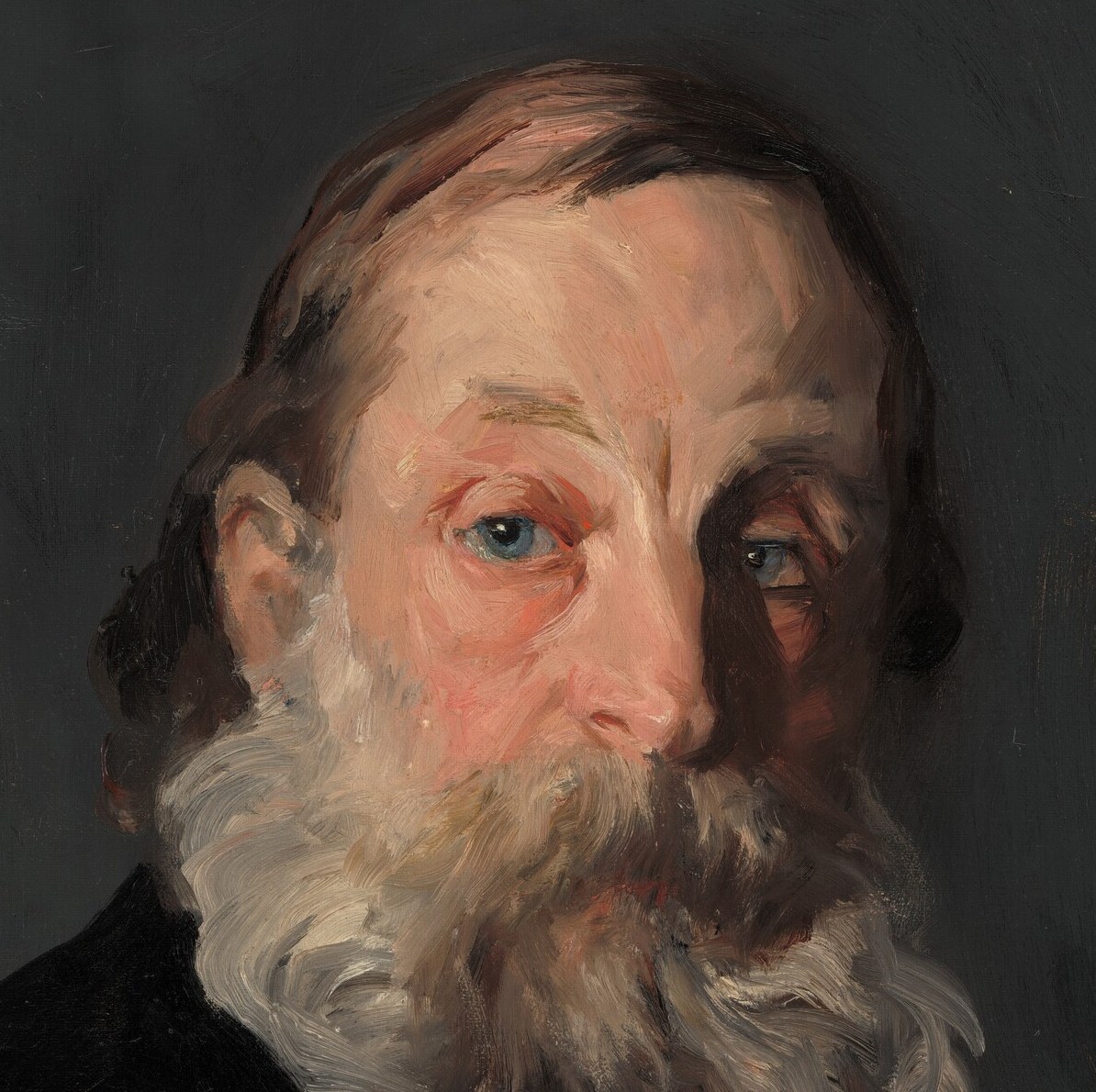
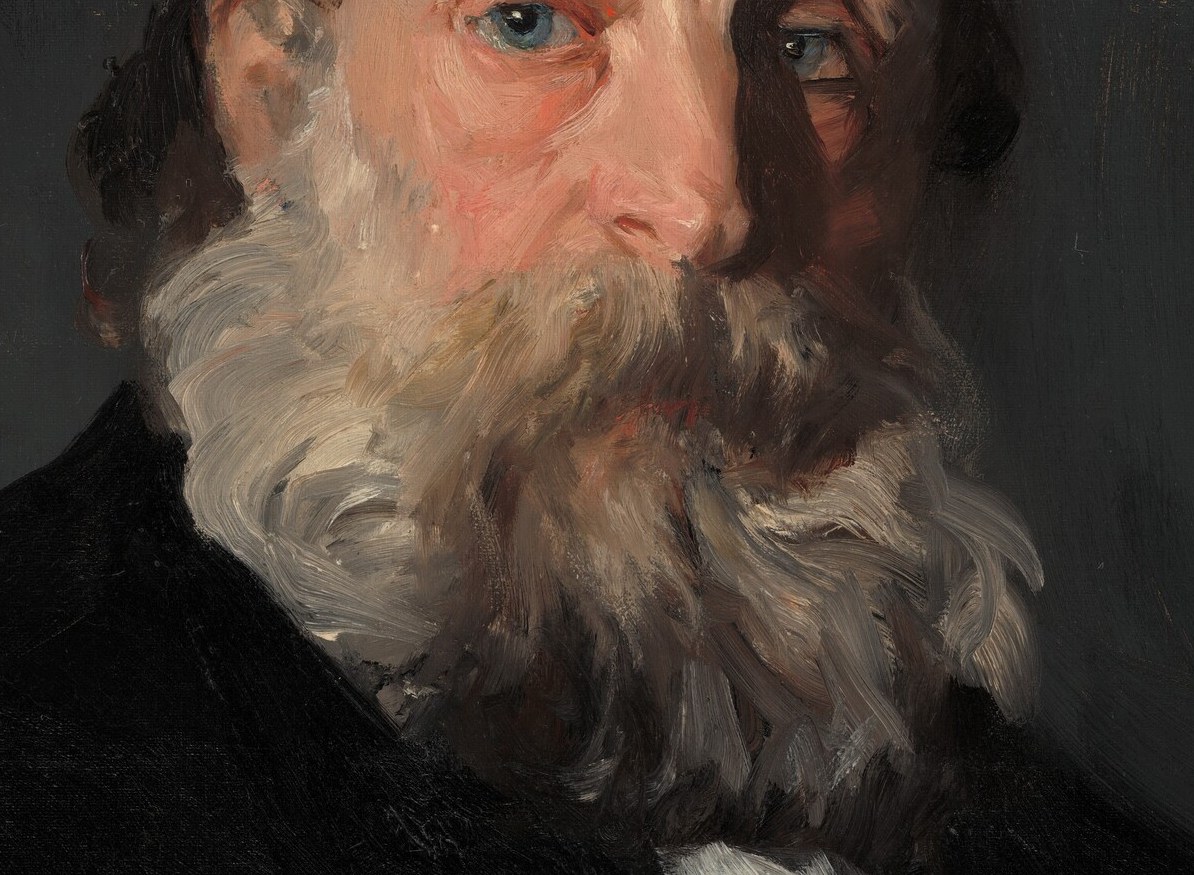
Notice the textured brushwork on his forehead and the strong highlight on his cheekbone, which together define the face and pull it forward from the deep background shadow. Henri's approach was about capturing the essence of an individual, rather than presenting an idealized version.
Hindu, an influential American painter and teacher, rejected the rigid conventions of academic art. He led the Ashcan School, a movement that focused on depicting everyday urban life with unflinching honesty. This portrait is a testament to his commitment to capturing authentic human character through powerful visual means.
Henri believed art should reflect life as it truly is, a principle beautifully realized in the intense gaze of George Cotton Smith. What details in his face do you find most striking?
Details
Transcript
This painter rejected the rigid rules of academic art. He became a leader of the Ashcan School, capturing everyday life. He aimed to show individual character, without idealization. See how the bold brushwork builds his forehead and cheek. The stark light defines his face, pulling him from shadow. He wanted to show the truth of people, not a polished version.