Portrait of a Man with a Dog by Cariani
Cariani’s "Portrait of a Man with a Dog," painted around 1520 and held at a major institution (specific museum not provided in dossier), is a masterclass in using white paint to create texture and focus. The artist demonstrates remarkable skill in rendering different qualities of white, from the soft, fluffy fur of the dog to the crisp, bright linen of the man's collar.
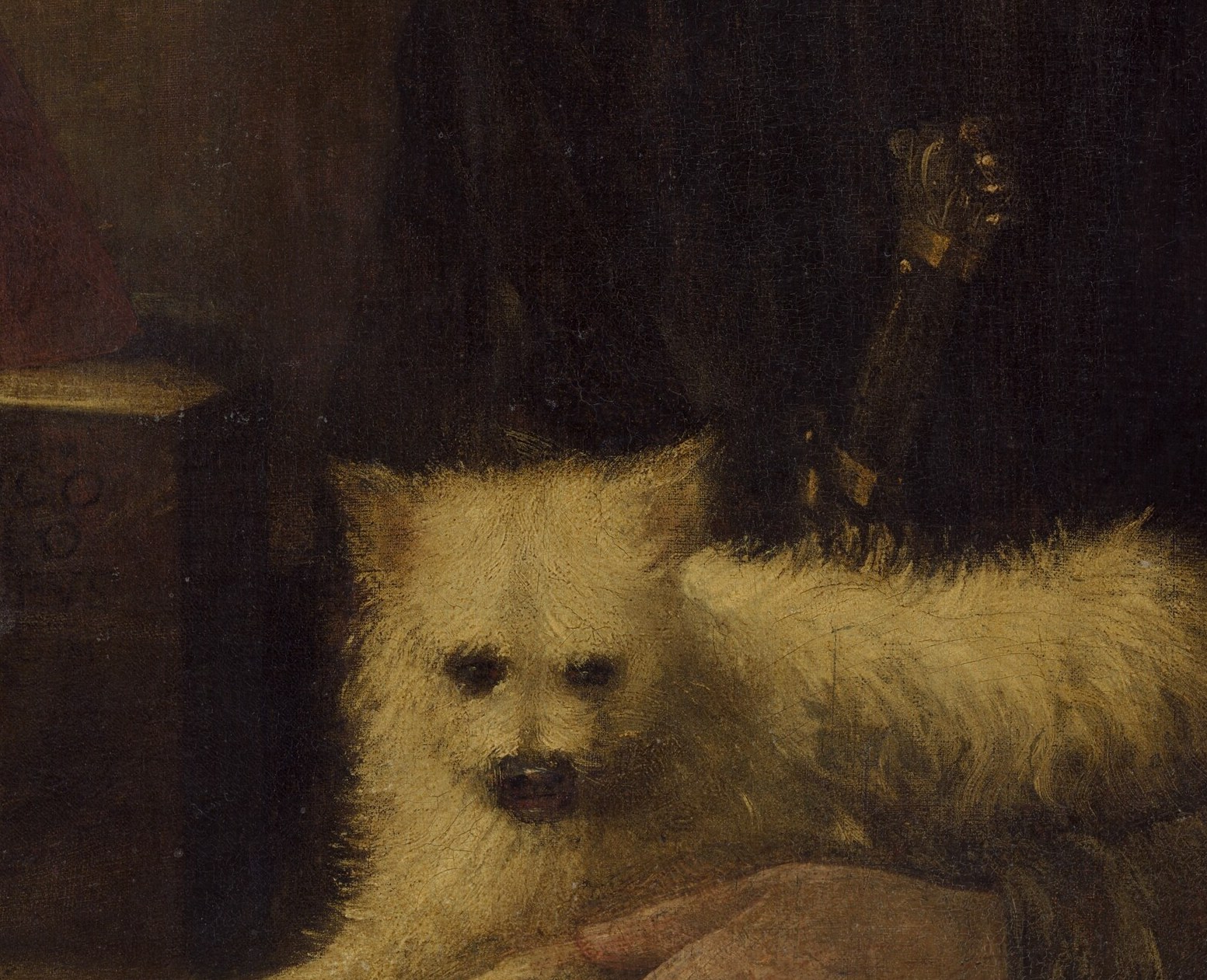
Notice how the delicate, almost shimmering strokes on the dog's fur convey its softness, making it feel remarkably lifelike against the deep, dark fabric of the man's doublet. This contrast highlights the dog as a gentle, living companion.
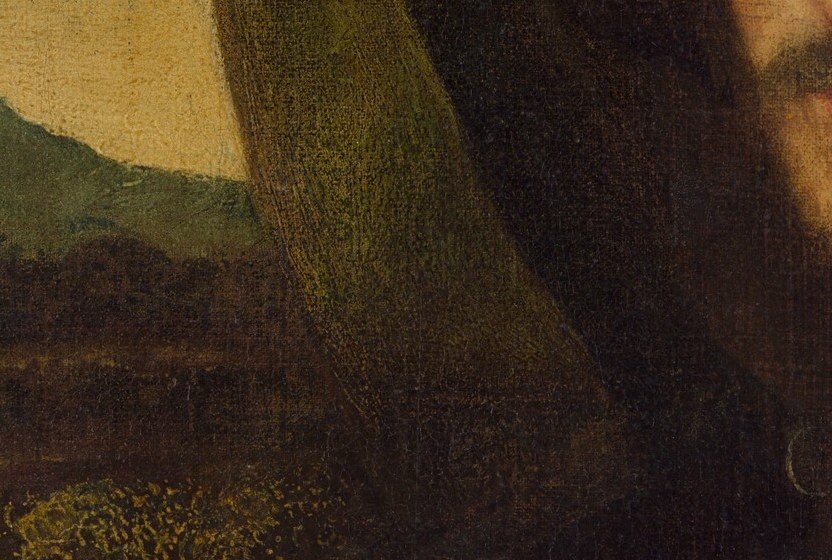
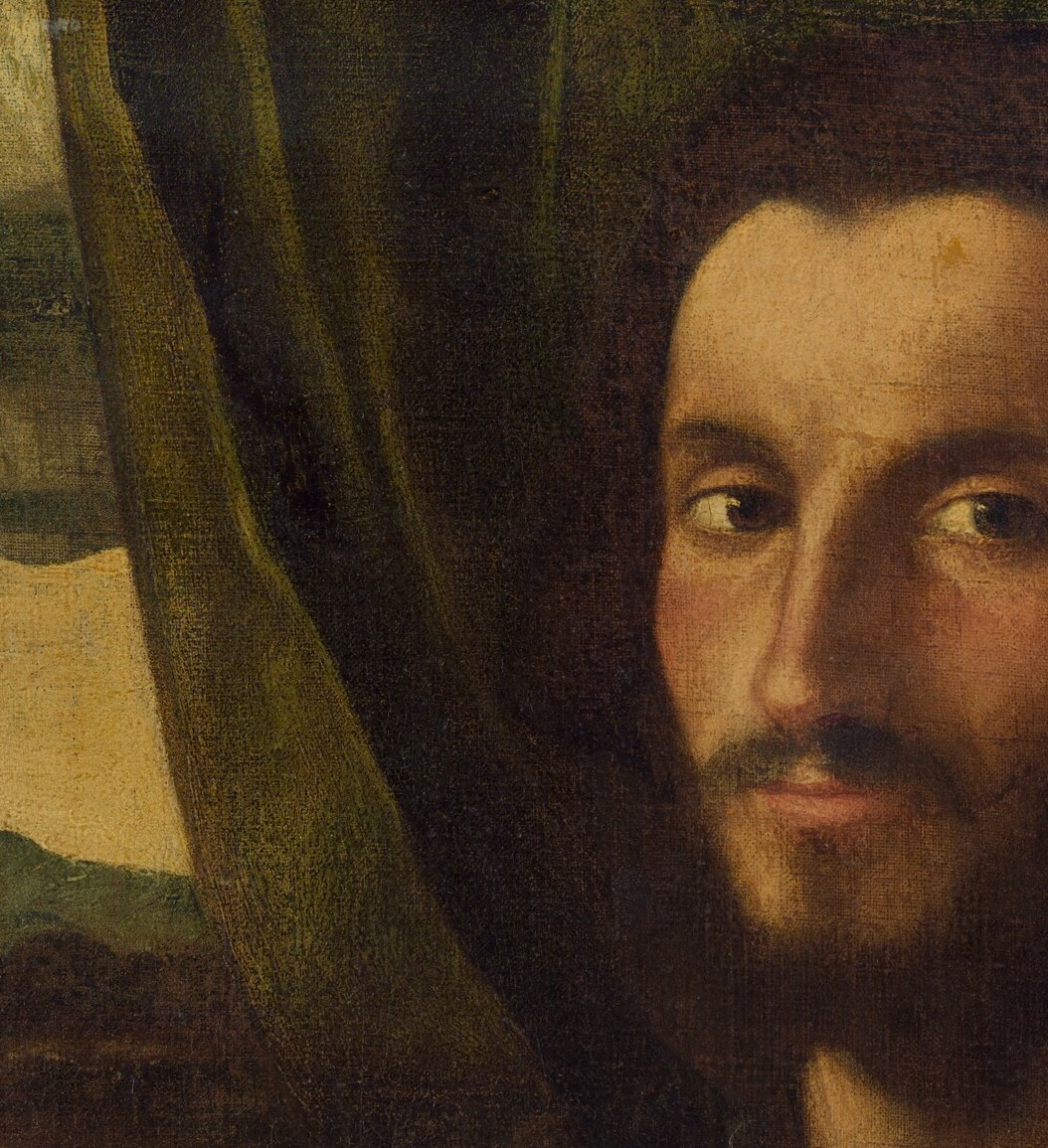
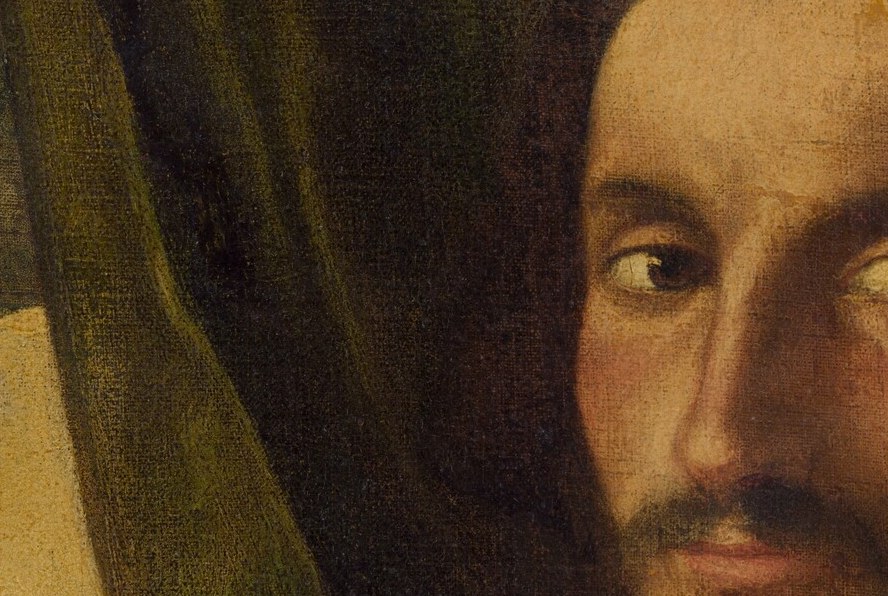
Then, observe the dramatic difference in the white of the man's collar. Here, Cariani uses thicker, more solid applications of paint, creating a luminous, almost glowing effect. This vibrant white acts as a deliberate focal point, drawing the viewer's eye upwards to the man's face, anchoring the composition.
This subtle yet powerful differentiation in paint application shows Cariani's mastery of chiaroscuro and his ability to guide the viewer's gaze through painterly technique. What other subtle details do you notice in his brushwork?
Details

Transcript
This painter was a master of white. See how he makes the dog’s fur soft and fluffy. It feels delicate, almost shimmering against the dark doublet. But look closely at the white of his collar. It's painted with thick, solid strokes, almost glowing. This bright white pulls your eye straight to his face.